Online 2nd Grade Social Studies Help
Adaptive practice that builds community, maps, and history skills at their pace
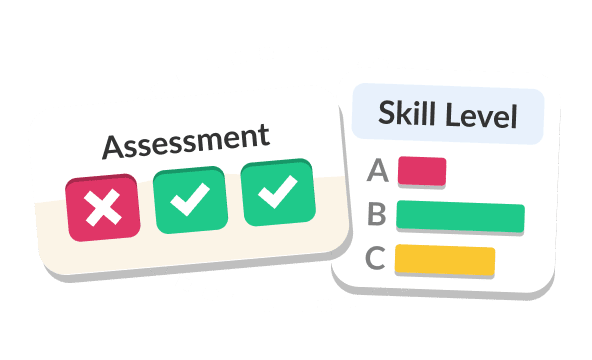
Finds the Gaps
Shows exactly what your child must review.
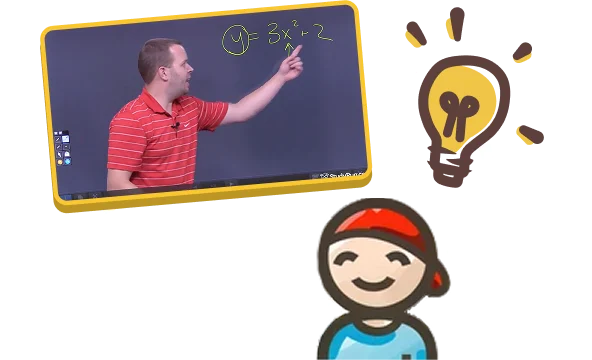
Step-by-Step Videos
Real lessons your child can repeat alone.
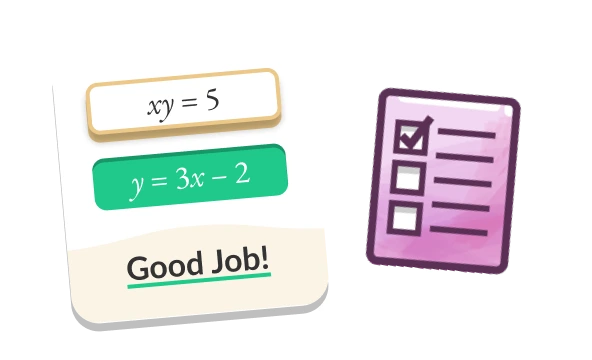
Practice That Adapts
Questions meet your child's level exactly.
Try It Now
Test your knowledge
Our approach aligns with the evidence
Exam Scores
Better Recall
Less Anxiety
2nd Grade Social Studies Topics
1. Branches of Government
2. Local Government
3. Democratic Process
4. Community Action
5. American Documents
6. American Heroes
7. Types of Maps
8. Map Features
9. Landforms
10. Natural Resources
11. Population
13. Time Periods
14. Early America
15. Colonial Life
16. Global Cultures
17. Supply and Demand
18. Business Basics
19. Banking
20. Budgeting
21. Trade Basics
22. Resources
23. World Communities
24. Global Issues
25. Digital World
26. Media Literacy
27. Group Dynamics
27 Chapters · 54 Topics · 43 Videos
Discover Our Learning Areas
Explore key subjects and start learning with interactive content.




What Is 2nd Grade Social Studies?
2nd Grade Social Studies introduces children to the world beyond their own home — exploring communities, maps and globes, historical figures, and national symbols. At this grade level, kids begin to understand how neighborhoods and communities are organized, how people work together, and how important figures from history have shaped the country they live in. It is one of the most curiosity-rich subjects at the elementary level, and the right practice helps children connect classroom learning to the real world around them.
What Do 2nd Graders Learn in Social Studies?
The core topics in 2nd Grade Social Studies typically include community helpers and how neighborhoods function, reading and interpreting maps and globes, learning about important historical figures such as Abraham Lincoln and Harriet Tubman, understanding national symbols and holidays, and exploring basic geographic concepts like continents, oceans, and cardinal directions. These topics build directly on the community awareness introduced in Kindergarten and 1st Grade, while laying the groundwork for the state history and regional geography students tackle in 3rd Grade. If your child is in Florida, you can explore the specific expectations at the florida social studies standards grade 2 page. New York families can review the full scope on the new york grade 2 social studies curriculum page.
Is 2nd Grade Social Studies Hard?
For most 7- and 8-year-olds, 2nd Grade Social Studies feels engaging and story-rich — but certain concepts do create real stumbling blocks. Reading a map key, understanding a timeline of historical events, or remembering which symbol represents which national idea can feel abstract without clear, step-by-step instruction. Children who find reading challenging may also find the text-heavy portions of social studies more difficult than expected. The good news is that these concepts respond very well to consistent, focused practice at the right level. When questions adapt to where a child actually is — rather than where the class average is — understanding builds naturally and frustration drops.
How Is 2nd Grade Social Studies Assessed?
In most US states, 2nd Grade Social Studies is assessed through classroom quizzes, unit tests, and teacher observation rather than standardized state exams. That means the most important measure of your child's progress is how well they perform on the assessments their own teacher designs — which are closely tied to the specific state standards for that grade. Knowing which community, geography, and history topics your child has a strong grasp of — and which ones still need work — gives you and their teacher a clear picture of where to focus next. StudyPug's diagnostic assessments surface exactly those gaps so practice time is never wasted.
What Comes After 2nd Grade Social Studies?
After 2nd Grade, children move into 3rd Grade Social Studies, where the focus shifts toward local government, state geography, economics basics, and more detailed historical study. The map-reading skills, understanding of community roles, and knowledge of historical figures built in 2nd Grade are the direct foundation for that next level. Children who feel confident in their 2nd grade content tend to transition to 3rd grade social studies with a clear advantage — they already have the vocabulary and conceptual framework the new topics build on.
Why StudyPug for 2nd Grade Social Studies?
StudyPug combines certified-teacher video lessons with adaptive practice to give 2nd graders exactly the right support at exactly the right level. Real teachers explain every concept — community helpers, map skills, historical figures — in clear, grade-appropriate language that a 7-year-old can follow. From there, adaptive practice questions adjust automatically based on how your child responds, getting a little harder when they're ready and circling back when something needs more time. Parents get a progress dashboard that shows, week by week, exactly which topics have been practiced and where gaps remain. There are no surprises at report card time. The 30-day money-back guarantee means there is no risk in getting started, and free practice content lets you see the platform in action before committing to a plan.
What Will Your Child Practice in 2nd Grade Social Studies?
On StudyPug, 2nd Grade Social Studies practice covers the full scope of what children learn in class: reading maps and globes, identifying community helpers and their roles, learning about key historical figures, recognizing national symbols and the meaning behind them, and understanding basic geographic concepts. Certified-teacher video lessons walk through each concept before practice begins, so children are never thrown into questions without context. Photo Search lets your child snap a homework question and find the right lesson instantly — a helpful tool when they are stuck and you are not sure where to start. All content is aligned to state social studies standards, so what children practice on StudyPug matches directly with what their teacher is covering in the classroom.
How to Use StudyPug for 2nd Grade Social Studies
Getting started takes only a few minutes. Create an account, select 2nd Grade Social Studies, and let the diagnostic assessment identify which topics your child already understands and which ones need attention. From there, the platform recommends where to begin — whether that is maps and geography, historical figures, or community topics. Your child watches a short certified-teacher video lesson, then works through adaptive practice questions that adjust to their level. You can check the parent dashboard at any time to see which topics have been covered and how knowledge is building. Most families find that short, regular practice sessions — even just a few times per week — produce clear, visible improvement in classroom confidence and assessment results. Start with the diagnostic, follow the recommendations, and let the practice do the rest.
2nd Grade Social Studies FAQ
Unsure how StudyPug works? Need help with setting up? Check our frequently asked questions or contact us for help.
Can I try it before subscribing?
Yes — sign up free to access sample 2nd Grade Social Studies lessons and practice. Subscribe when you're ready, backed by a 30-day money-back guarantee.
How much does StudyPug cost?
Plans start with one low monthly payment, with annual options for best value. One plan covers up to 5 children and all subjects. 30-day money-back guarantee.
What's included in the subscription?
Full access to certified-teacher video lessons, adaptive practice, diagnostic assessments, Photo Search, and parent progress reports for 2nd Grade Social Studies.
How does adaptive practice work?
Questions start at your child's current level and gradually get harder as they improve — no frustration from questions that are too difficult.
Is it aligned with 2nd grade school curriculum?
Yes! All content matches state social studies standards for 2nd grade, covering community, maps and globes, and historical figures.
What topics does 2nd Grade Social Studies cover?
Content covers community helpers and neighborhoods, maps and globes, historical figures, national symbols, and basic geography — matching what teachers cover in class.





Written by the StudyPug Team
Last updated June 5, 2026
3 M+
students
★★★★★
4.8 average
K–12
all grades