Online 3rd Grade English Help for Your Child
Practice reading comprehension and grammar with real teachers — aligned to what your child learns in school.
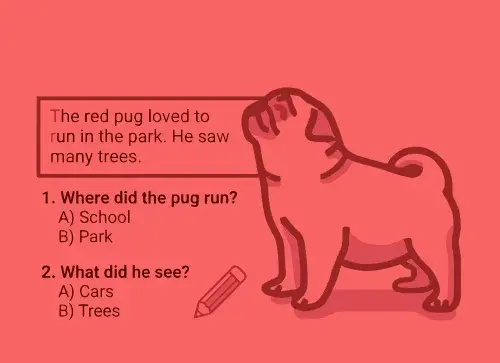
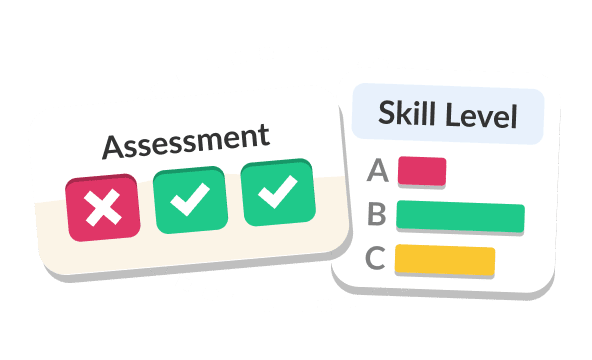
Diagnostic Finds Gaps
Know exactly what your child needs next.
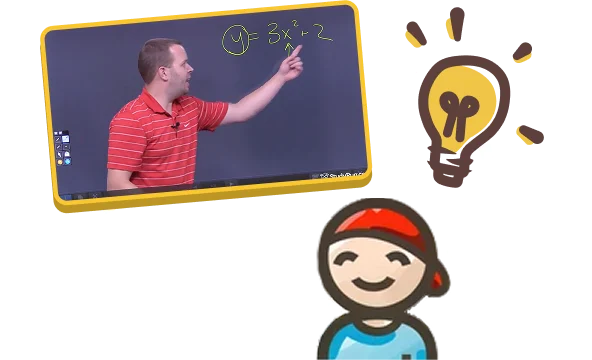
Step-by-Step Videos
Your child learns why not just answers.
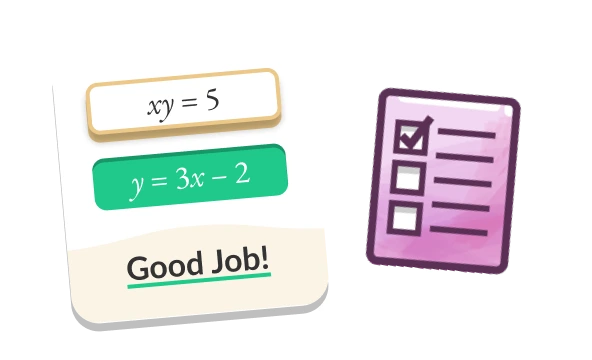
Adaptive Practice
Practice grows with your child's confidence. Wait, let me count and fix this properly. Practice grows with confidence daily.
Try It Now
Test your knowledge
Our approach aligns with the evidence
Exam Scores
Better Recall
Less Anxiety
3rd Grade ELA Topics
1. CCSS.ELA-LITERACY.L.3.1.A
2. CCSS.ELA-LITERACY.L.3.1.B
3. CCSS.ELA-LITERACY.L.3.1.C
4. CCSS.ELA-LITERACY.L.3.1.D
5. CCSS.ELA-LITERACY.L.3.1.E
6. CCSS.ELA-LITERACY.L.3.1.F
7. CCSS.ELA-LITERACY.L.3.1.G
8. CCSS.ELA-LITERACY.L.3.1.H
9. CCSS.ELA-LITERACY.L.3.1.I
10. CCSS.ELA-LITERACY.L.3.2.A
11. CCSS.ELA-LITERACY.L.3.2.B
12. CCSS.ELA-LITERACY.L.3.2.C
13. CCSS.ELA-LITERACY.L.3.2.D
14. CCSS.ELA-LITERACY.L.3.2.E
15. CCSS.ELA-LITERACY.L.3.2.F
16. CCSS.ELA-LITERACY.L.3.2.G
17. CCSS.ELA-LITERACY.L.3.3.A
18. CCSS.ELA-LITERACY.L.3.3.B
19. CCSS.ELA-LITERACY.L.3.4.A
20. CCSS.ELA-LITERACY.L.3.4.B
21. CCSS.ELA-LITERACY.L.3.4.C
22. CCSS.ELA-LITERACY.L.3.4.D
23. CCSS.ELA-LITERACY.L.3.5.A
24. CCSS.ELA-LITERACY.L.3.5.B
25. CCSS.ELA-LITERACY.L.3.5.C
26. CCSS.ELA-LITERACY.L.3.6
27. CCSS.ELA-LITERACY.SL.3.1
28. CCSS.ELA-LITERACY.SL.3.1.A
29. CCSS.ELA-LITERACY.SL.3.1.B
30. CCSS.ELA-LITERACY.SL.3.1.C
31. CCSS.ELA-LITERACY.SL.3.1.D
32. CCSS.ELA-LITERACY.SL.3.2
33. CCSS.ELA-LITERACY.SL.3.3
34. CCSS.ELA-LITERACY.SL.3.4
35. CCSS.ELA-LITERACY.SL.3.5
36. CCSS.ELA-LITERACY.SL.3.6
37. CCSS.ELA-LITERACY.W.3.1.A
38. CCSS.ELA-LITERACY.W.3.1.B
39. CCSS.ELA-LITERACY.W.3.1.C
40. CCSS.ELA-LITERACY.W.3.1.D
41. CCSS.ELA-LITERACY.W.3.2.A
42. CCSS.ELA-LITERACY.W.3.2.B
43. CCSS.ELA-LITERACY.W.3.2.C
44. CCSS.ELA-LITERACY.W.3.2.D
45. CCSS.ELA-LITERACY.W.3.3.A
46. CCSS.ELA-LITERACY.W.3.3.B
47. CCSS.ELA-LITERACY.W.3.3.C
48. CCSS.ELA-LITERACY.W.3.3.D
49. CCSS.ELA-LITERACY.W.3.4
50. CCSS.ELA-LITERACY.W.3.5
51. CCSS.ELA-LITERACY.W.3.6
52. CCSS.ELA-LITERACY.W.3.7
53. CCSS.ELA-LITERACY.W.3.8
54. CCSS.ELA-LITERACY.W.3.9
55. CCSS.ELA-LITERACY.W.3.10
56. CCSS.ELA-LITERACY.RF.3.3.A
57. CCSS.ELA-LITERACY.RF.3.3.B
58. CCSS.ELA-LITERACY.RF.3.3.C
59. CCSS.ELA-LITERACY.RF.3.3.D
60. CCSS.ELA-LITERACY.RF.3.4.A
61. CCSS.ELA-LITERACY.RF.3.4.B
62. CCSS.ELA-LITERACY.RF.3.4.C
63. CCSS.ELA-LITERACY.RI.3.1
64. CCSS.ELA-LITERACY.RI.3.2
65. CCSS.ELA-LITERACY.RI.3.3
66. CCSS.ELA-LITERACY.RI.3.4
67. CCSS.ELA-LITERACY.RI.3.5
68. CCSS.ELA-LITERACY.RI.3.6
69. CCSS.ELA-LITERACY.RI.3.7
70. CCSS.ELA-LITERACY.RI.3.8
71. CCSS.ELA-LITERACY.RI.3.9
72. CCSS.ELA-LITERACY.RI.3.10
73. CCSS.ELA-LITERACY.RL.3.1
74. CCSS.ELA-LITERACY.RL.3.2
75. CCSS.ELA-LITERACY.RL.3.3
76. CCSS.ELA-LITERACY.RL.3.4
77. CCSS.ELA-LITERACY.RL.3.5
78. CCSS.ELA-LITERACY.RL.3.6
79. CCSS.ELA-LITERACY.RL.3.7
80. CCSS.ELA-LITERACY.RL.3.9
81. CCSS.ELA-LITERACY.RL.3.10
81 Chapters · 160 Topics · 157 Videos
Discover Our Learning Areas
Explore key subjects and start learning with interactive content.


What Is 3rd Grade English?
3rd grade English is the year children shift from learning to read to reading to learn. By the end of Grade 3, students are expected to read longer passages independently, understand what they mean, and express ideas in writing with basic grammar and sentence structure. It is one of the most important transitions in your child's entire school journey — and the skills built here lay the foundation for every English class that follows.
In most US classrooms, 3rd grade English aligned to state standards covers five core skill areas: reading comprehension, phonics and fluency, grammar, vocabulary, and paragraph writing. StudyPug covers all of these through certified-teacher video lessons and focused practice that adjusts to your child's current level.
What Reading Comprehension Skills Are Taught in 3rd Grade?
Reading comprehension is the central skill of 3rd grade English. At this level, your child is expected to do more than decode words — they need to identify the main idea of a passage, make inferences, describe characters and settings, and distinguish between fiction and informational text.
Common comprehension challenges in Grade 3 include understanding cause and effect, identifying the author's purpose, and summarising what they have read in their own words. Many children can read the words out loud but struggle to answer questions about what those words actually mean — this gap is exactly what targeted comprehension practice addresses.
StudyPug's certified-teacher video lessons walk through each comprehension strategy step by step. After the lesson, your child practices applying that strategy to real passages. The diagnostic assessment identifies which comprehension skills need the most attention so practice time is never wasted.
How Is Grammar Taught at the 3rd Grade Level?
Grammar in 3rd grade moves beyond basic sentence recognition. Students learn parts of speech — nouns, verbs, adjectives, and adverbs — and begin applying grammar rules to their own writing. Common areas of difficulty include subject-verb agreement, correct use of pronouns, punctuation at the end of sentences, and the difference between simple and compound sentences.
Parents often notice grammar struggles appearing in homework: inconsistent capitalisation, missing punctuation, or sentences that run together without a clear stop. These are not careless mistakes — they reflect gaps in grammar understanding that need targeted practice to close.
StudyPug's 3rd grade grammar lessons are taught by real teachers who explain each rule clearly, show examples, and then guide your child through practice problems. The adaptive practice system adjusts the difficulty based on how your child performs, so they are always working at exactly the right challenge level.
Why Does Vocabulary Matter So Much in Grade 3?
Vocabulary is the bridge between decoding and comprehension. A child who can sound out a word but does not know what it means will struggle to understand the passage it appears in. In 3rd grade, students encounter a significant jump in the complexity of academic vocabulary — words like "summarise," "predict," "evidence," and "perspective" appear regularly in class texts and assessments.
Building vocabulary at this stage is not about memorising lists. It is about learning words in context, understanding how prefixes and suffixes change meaning, and recognising root words. StudyPug's Grade 3 vocabulary practice embeds new words in reading passages so children see them used naturally and remember them more effectively.
What About Phonics and Reading Fluency in Grade 3?
While phonics instruction is most intensive in Grades K–2, Grade 3 still requires phonics consolidation for many children. Students who have not fully secured common spelling patterns, multi-syllabic word decoding, or vowel combinations often hit a fluency wall in 3rd grade — they read slowly and haltingly, which makes comprehension harder.
If your child is reading below grade level, StudyPug does not skip ahead. The diagnostic assessment identifies exactly where the gap is, and practice begins there — whether that is back in phonics fundamentals or at the comprehension level appropriate for their current reading ability. Every child starts from where they actually are, not where the grade assumes they should be.
How Is 3rd Grade English Assessed at School?
In most US states, 3rd grade is a high-stakes assessment year. Many states administer standardised reading tests at the end of Grade 3, and in some states, passing is required for promotion to 4th grade. These assessments are based on state standards and test reading comprehension, vocabulary, grammar, and informational text understanding.
StudyPug content is built on state standards so that the skills your child practices on the platform match what they will see on classroom tests and standardised assessments. The practice problems are structured similarly to real exam questions — not identical (we write "based on real exams" to be accurate) but closely aligned in format and skill focus.
Why StudyPug for 3rd Grade English?
StudyPug gives 3rd graders something most homework help cannot: a real teacher explaining every concept on video, adaptive practice that meets them at their level, and a parent dashboard that shows you exactly how they are improving week by week.
The diagnostic assessment runs first. It finds the specific reading, grammar, and vocabulary gaps your child has — so they spend practice time on what actually needs work, not on skills they already have. As they practice, the difficulty adjusts automatically. Easy problems get harder as they improve. If they hit a wall, the system backs up and rebuilds the foundation before moving forward again.
One subscription covers up to five children and every subject and grade on StudyPug, so there is no juggling separate accounts as your family grows or as siblings move through school. And if it is not the right fit, the 30-day money-back guarantee means there is no risk in trying.
92% of StudyPug students report improved grades. For parents of 3rd graders — a year where reading confidence can define the next several years of school — that kind of progress matters.
What Topics Are Covered in 3rd Grade English on StudyPug?
StudyPug's 3rd Grade English course covers the full range of skills in the state standards curriculum. Core topic areas include:
- Reading comprehension — main idea, inference, cause and effect, author's purpose, character and setting
- Grammar — parts of speech, subject-verb agreement, punctuation, sentence types
- Vocabulary — context clues, prefixes and suffixes, academic word recognition
- Phonics and fluency — multi-syllabic words, vowel patterns, reading rate and accuracy
- Informational text — text features, main idea in nonfiction, comparing sources
For state-specific curriculum alignment, you can explore the Florida grade 3 ELA curriculum or the New York grade 3 ELA curriculum to see exactly how StudyPug maps to your state's standards.
How to Use StudyPug for 3rd Grade English Practice
Getting started takes less than five minutes. Create your account, add your child's profile, and set the course to 3rd Grade English. The diagnostic assessment runs automatically and identifies where to begin. From there, your child watches the teacher video for the first topic, then completes the practice problems that follow.
Most families see the best results with two to three short sessions per week — 20 to 30 minutes each is enough to build skills steadily without overwhelming your child. The parent dashboard updates after every session so you can check in on progress, see which topics are improving, and identify areas that still need attention.
Photo Search is also available if your child comes home with a homework question they cannot place. They can snap a photo of the question and StudyPug will surface the right lesson to help — a useful tool when you are not sure which concept the question is testing.
There is no pressure and no single path through the course. Your child can move at their own pace, replay any video lesson as many times as they need, and retake practice sets until a concept feels solid. The goal is genuine understanding — not just getting through the material.
3rd Grade English FAQ
Unsure how StudyPug works? Need help with setting up? Check our frequently asked questions or contact us for help.
What's included in the subscription?
Full access to all 3rd Grade English video lessons, practice problems, assessments, and progress tracking. One subscription covers up to 5 children and all grades, subjects, and courses on StudyPug.
Can I sign up free to try it?
Yes! You can sign up free to explore sample lessons and practice materials. When you're ready to subscribe, we offer a 30-day money-back guarantee — if it's not right for your child, we'll refund you.
How much does it cost?
Plans start with one low monthly payment, with annual options for the best value. One plan covers up to 5 children and all subjects. 30-day money-back guarantee. [See all plans →]
What does 3rd grade English cover?
3rd grade English covers reading comprehension, grammar rules, vocabulary in context, phonics consolidation, and paragraph structure — the core skills students need to read and write independently.
How do the video lessons work?
Certified teachers walk through each concept step by step. Your child watches the lesson, then practices what they learned. If they get stuck, they can rewatch as many times as they need.
How does the diagnostic assessment help?
A short diagnostic identifies exactly which 3rd grade reading and grammar skills need work. Practice is then focused on those gaps — no wasted time on topics your child already knows.





Written by the StudyPug Team
Last updated June 5, 2026
3 M+
students
★★★★★
4.8 average
K–12
all grades