Online 1st Grade Social Studies Help
Practice community, maps, and history with lessons from real teachers
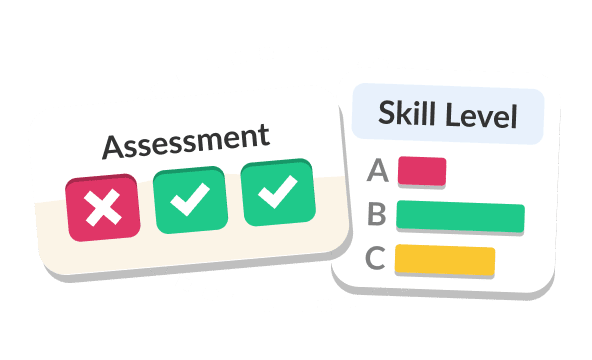
Finds the Gaps
Shows what your child needs to practice next.
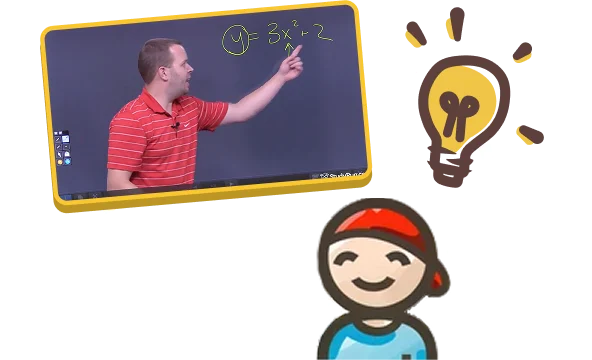
Step-by-Step Videos
Real lessons so your child solves alone.
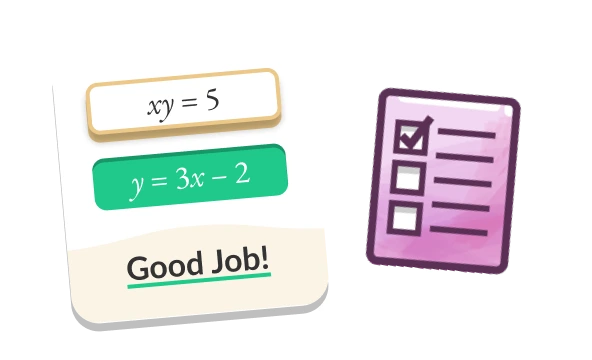
Practice That Adapts
Questions adapt as your child grows confident.
Try It Now
Test your knowledge
Our approach aligns with the evidence
Exam Scores
Better Recall
Less Anxiety
1st Grade Social Studies Topics
1. Government Structure
2. Democracy Basics
3. Citizenship
4. Community Rules
5. American Symbols
6. Patriotic Celebrations
7. Reading Maps
8. Geographic Tools
9. Physical Features
10. Human Features
11. Human Impact
12. Time and Chronology
13. Primary Sources
14. Local History
15. Cultural Groups
16. Traditions
17. Goods and Services
18. Producers and Consumers
19. Using Money
20. Markets
21. Jobs and Careers
22. Income and Savings
23. Public Services
24. Transportation
25. Making Changes
26. Leadership
27. Online Safety
27 Chapters · 54 Topics · 45 Videos
Discover Our Learning Areas
Explore key subjects and start learning with interactive content.


What is 1st Grade Social Studies?
1st grade social studies introduces children to the world immediately around them — their neighborhood, their community, and their country. At this stage, young learners begin to understand how people live and work together, what makes a community function, and how their home fits into a larger world. Core topics typically include community helpers and roles, basic map and globe skills, national symbols such as the American flag and the Pledge of Allegiance, foundational history through important figures like Abraham Lincoln and George Washington, and cultural traditions that reflect the diversity of American life. All content is aligned to state social studies standards, so what your child practices on StudyPug connects directly to what their teacher is covering in class.
What do 1st graders learn in social studies?
In 1st grade, social studies learning falls into four broad areas. First, children explore community and neighborhoods — who lives and works nearby, what community helpers do, and how neighborhoods are organized. Second, they develop early geography skills, learning to read simple maps, identify basic landforms, and understand the difference between a city, state, and country. Third, they are introduced to national identity and symbols, including the flag, national holidays like Independence Day and Thanksgiving, and the idea of being an American citizen. Fourth, they encounter foundational history through the stories of key historical figures and the traditions that have shaped the United States. These four areas build on each other throughout the school year to give children a complete picture of their place in the world.
Is 1st grade social studies hard?
For many 6- and 7-year-olds, social studies can feel like a lot of new information arriving at once. Children are asked to remember names and dates, interpret simple maps, and understand concepts like government and community roles — all while still developing their reading skills. The subject is not inherently difficult, but it does require regular practice to make the information stick. The most common challenge parents report is that their child can sit through a lesson at school and still feel unsure at home. This is where consistent, low-pressure practice makes the biggest difference. When questions adjust to a child's current level and videos replay the exact concept they need, knowledge builds gradually without frustration.
How is social studies assessed in 1st grade?
In most US states, 1st grade social studies is assessed informally — through classroom participation, teacher observation, short quizzes on topics like community helpers and national symbols, and unit tests at the end of each chapter. There are no high-stakes standardized tests for social studies at this grade level in most states, but classroom performance still feeds into report card grades and teacher feedback. StudyPug's built-in diagnostic assessments work the same way: they check what your child knows right now, identify any gaps in their understanding of community, maps, or history, and point practice toward the topics that need the most attention. You get a clear picture of where your child stands before any classroom assessment arrives.
What comes after 1st grade social studies?
After completing 1st grade social studies, children move into 2nd grade, where the focus expands from the immediate neighborhood to the broader community and region. 2nd graders go deeper into map and globe skills, explore local and national history in more detail, and begin to understand basic economic concepts like needs, wants, and trade. The knowledge built in 1st grade — community, geography basics, and national symbols — provides the foundation for everything that comes next. StudyPug covers 2nd grade social studies fully, so your child can continue practicing without any gaps between grades.
Why StudyPug for 1st Grade Social Studies?
StudyPug combines two things that work best for young learners: clear explanations from real teachers and practice that adjusts to each child's level. Every 1st grade social studies lesson is taught by a certified teacher on video — not AI, not automated text, but an actual educator walking through the concept step by step. Your child can watch, pause, and replay each video as many times as needed until the idea clicks. On top of the videos, adaptive practice questions adjust difficulty based on how your child is doing, so they are always working at the right level — challenged enough to grow, but never overwhelmed. For parents, the dashboard shows progress clearly so you always know which topics are going well and which ones need a little more time. One subscription covers up to 5 children across all subjects and grades K–10, and every plan comes with a 30-day money-back guarantee.
What 1st Grade Social Studies topics can you practice on StudyPug?
StudyPug covers the full range of 1st grade social studies topics aligned to US state standards. Key areas include:
- Community and neighborhoods — community helpers, roles, and how neighborhoods are organized
- Basic map and globe skills — reading simple maps, cardinal directions, landforms and bodies of water
- National symbols and holidays — the American flag, the Pledge of Allegiance, Independence Day, Presidents' Day, and Thanksgiving
- Historical figures — the stories of Abraham Lincoln, George Washington, and other key figures in US history
- Cultural awareness — traditions, customs, and the diversity of American communities
If you want to see how 1st grade social studies content is organized by your state's specific standards, StudyPug has curriculum-aligned pages for your region. For example, you can explore the Florida grade 1 social studies curriculum or the New York grade 1 social studies curriculum to see exactly how topics are mapped to your state's expectations.
How to use StudyPug for 1st Grade Social Studies
Getting started is straightforward. When your child joins StudyPug, a short diagnostic assessment checks what they already know across the key 1st grade social studies topics. This takes just a few minutes and immediately shows where your child is confident and where some extra practice would help. From there, your child can watch a certified-teacher video lesson on any topic — community helpers, map reading, national symbols, or a historical figure — and then move into adaptive practice questions that build on what they just watched. If your child gets a question wrong, the platform guides them back to the relevant lesson so the gap is closed right away rather than left to grow. You can check the parent dashboard at any time to see which topics have been covered, how practice sessions are going, and where to focus next. Most families find that short, regular sessions of 15 to 20 minutes a few times a week are enough to see steady improvement in classroom performance and confidence.
1st Grade Social Studies FAQ
Unsure how StudyPug works? Need help with setting up? Check our frequently asked questions or contact us for help.
What topics does 1st Grade Social Studies cover?
1st grade social studies covers neighborhoods and community, basic map and globe skills, national symbols like the flag and pledge, historical figures such as Abraham Lincoln and George Washington, and cultural traditions. StudyPug's lessons follow state social studies standards so every topic aligns with what your child's teacher is covering in class.
Is 1st grade social studies hard for young learners?
It can feel overwhelming when children are asked to remember historical figures, read simple maps, and understand community roles all at once. StudyPug's adaptive practice starts at your child's current level and increases difficulty gradually, so they build confidence without feeling lost. Certified-teacher video lessons explain each idea in clear, friendly language suited for 6- and 7-year-olds.
How does adaptive practice help my 1st grader?
Adaptive practice adjusts every question to your child's current knowledge level. If they answer correctly, the next question gets a little harder. If they find something tricky, practice stays at that level until they feel comfortable. This means no frustration from questions that are too difficult, and no boredom from questions that are too easy — just steady, encouraging progress.
What comes after 1st Grade Social Studies?
After 1st grade, children move into 2nd grade social studies, which builds on community concepts and introduces maps and globes in more depth, along with local and national historical figures. StudyPug covers 2nd grade social studies fully, so your child can continue their learning journey without any gaps.
How is social studies assessed in 1st grade?
In most US states, 1st grade social studies is assessed through classroom observations, teacher-created tests on community helpers, maps, and national symbols, and informal checks during lessons. StudyPug's built-in diagnostic assessments help identify exactly which topics your child needs more practice on so you can focus time where it matters most before those classroom checks.
Do video lessons cover all 1st grade social studies topics?
Yes. StudyPug's certified-teacher video lessons cover the full 1st grade social studies curriculum — community and neighborhoods, basic geography and map skills, national symbols, and foundational history. Videos teach concepts step by step so children can watch, pause, and replay until a topic makes sense. This is not AI-generated content — every lesson is taught by a real, qualified teacher.




Written by the StudyPug Team
Last updated June 5, 2026
3 M+
students
★★★★★
4.8 average
K–12
all grades