Online 5th Grade Social Studies Help
Practice US history, geography, and civics with step-by-step lessons aligned to state standards
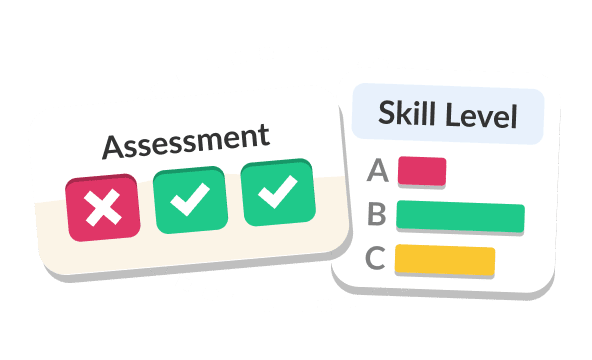
Find Learning Gaps
See exactly where your child needs help.
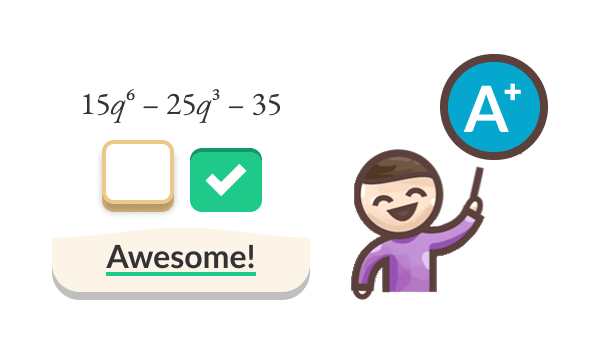
Step-by-Step Video Lessons
Real lessons help your child solve alone.

School-Aligned
Built around your state standards not generic.
Try It Now
Test your knowledge
Our approach aligns with the evidence
Exam Scores
Better Recall
Less Anxiety
5th Grade Social Studies Topics
1. Colonial Government
2. Revolutionary Ideas
3. Constitutional Convention
4. Bill of Rights
5. States' Rights
6. Political Parties
7. Settlement Patterns
8. Economic Regions
9. Western Movement
10. Native Lands
11. Regional Differences
12. Washington Era
13. Foreign Relations
14. Democracy
15. Social Reform
16. Causes
19. Northern Economy
20. Southern Economy
21. Technology
22. Transportation
23. Document Study
24. Research Skills
26. Presentation
27. Collaboration
27 Chapters · 54 Topics · 31 Videos
Discover Our Learning Areas
Explore key subjects and start learning with interactive content.




What Is 5th Grade Social Studies?
5th grade social studies is where American history comes into sharp focus. Students explore the story of the United States from early exploration and Indigenous peoples through European settlement, the colonial era, and the American Revolution. Alongside US history, 5th graders build geography skills — learning to read maps, identify US regions and physical features, and understand how geography shaped historical events. Civics concepts enter the picture too, with students beginning to learn how the US government was formed and how it works. For many children, 5th grade is the first time all three strands — history, geography, and civics — are woven together into one connected story.
Is 5th Grade Social Studies Hard?
It can be. The volume of content in 5th grade social studies is significantly larger than in earlier grades. Students are expected to remember sequences of historical events, understand cause and effect across long periods of time, recall geography facts, and grasp foundational civics concepts — often all within the same school year. The challenge is not that the material is too complex for 5th graders. It's that without the right kind of practice, facts don't stick and connections don't form. Children who find social studies hard at this level usually need more targeted, repeated practice on the specific topics where their knowledge has gaps — not more of the same general review.
How Does 5th Grade Social Studies Connect to History, Geography, and Civics?
These three strands are taught together at this grade level because they reinforce each other. Understanding why colonists settled in certain regions requires both historical knowledge and geography skills. Understanding why the American Revolution happened requires knowing something about how government and civic rights work. StudyPug's 5th grade social studies practice is organized around these interconnected strands, so children build a rounded understanding rather than isolated facts. Practice questions cover each topic area — from map reading and US regions to the Declaration of Independence and how Congress works — giving students a solid, connected knowledge base.
How Is 5th Grade Social Studies Assessed at School?
Teachers typically assess 5th grade social studies through unit tests tied to specific historical periods, geography quizzes on US regions and map skills, and civics checks on government structures and founding documents. Some schools include project-based assessments or research components. The common thread is that students need to demonstrate knowledge recall, map interpretation, and conceptual understanding — not just memorized dates. StudyPug's diagnostic assessments mirror this structure: they quickly identify which knowledge areas need reinforcement so your child's practice time is focused on what will actually move the needle on their classroom results, based on real state curriculum standards.
What Comes After 5th Grade Social Studies?
6th grade social studies makes a significant leap: students move from American history and geography to world history and ancient civilizations — Egypt, Greece, Rome, Mesopotamia, and more. The geographic scope expands from the United States to the whole world. Children who arrive in 6th grade with a strong foundation in reading maps, understanding cause and effect in history, and thinking about how societies and governments are organized will find the transition much smoother. If your child has any gaps in 5th grade US history, geography, or civics, closing them now pays dividends in the year ahead.
Why StudyPug for 5th Grade Social Studies?
StudyPug gives 5th grade social studies learners three things that make a real difference: certified-teacher video lessons that explain the material clearly, diagnostic assessments that find exactly where knowledge gaps are hiding, and adaptive practice that adjusts difficulty to match your child's current level. Rather than sitting through content they already know or being thrown into questions that are too advanced, children practice at the right level and move forward as their knowledge builds. Parents get weekly progress reports that show exactly how skills are developing in US history, geography, and civics — no guessing about whether the practice is working. StudyPug's content is aligned to state social studies standards, so everything your child practices connects directly to what their teacher is covering in class. One subscription covers all subjects and up to five children, with a 30-day money-back guarantee.
What Will Your Child Learn and Practice?
5th grade social studies on StudyPug covers the core topics taught across state curricula:
- US History: Early exploration, Indigenous peoples, European colonization, the colonial era, causes and events of the American Revolution, the founding documents (Declaration of Independence, Constitution)
- Geography: US regions (Northeast, Southeast, Midwest, Southwest, West), physical features and landforms, map skills including scale, legend, and cardinal/intermediate directions, how geography influenced settlement and events
- Civics and Government: The branches of government, the role of the Constitution, rights and responsibilities of citizens, how laws are made
- Economics Basics: Goods and services, trade, how early American economic systems developed
Curriculum links for specific state standards: see the florida 5th grade social studies standards and the new york grade 5 social studies curriculum for aligned topic breakdowns.
How to Use StudyPug for 5th Grade Social Studies
Getting started takes just a few minutes. After signing up, your child takes a short diagnostic assessment that identifies which 5th grade social studies topics need attention — whether that's the American Revolution, US geography, or civics concepts. From there, StudyPug recommends focused adaptive practice questions in those areas. When your child encounters a concept they don't fully understand, certified-teacher video lessons are right there to explain it step by step before they try practice questions again. You can also use Photo Search: if your child has a homework question they're stuck on, they can snap a photo and StudyPug will point them to the right lesson. As a parent, you can check in on the progress dashboard at any time to see which topics have been covered, where improvement is showing, and what to focus on next. The whole system works together — lessons, practice, assessment, and reporting — to make 5th grade social studies less stressful and more successful for your child.
5th Grade Social Studies FAQ
Unsure how StudyPug works? Need help with setting up? Check our frequently asked questions or contact us for help.
What social studies topics does 5th grade cover?
5th grade social studies typically covers US history from early exploration through the American Revolution, the founding of the nation, basic civics and government, US geography including regions and landforms, and introductory economics concepts. StudyPug's content is aligned to state social studies standards, so your child practices exactly what their teacher is covering in class.
Is 5th grade social studies hard for most kids?
Many 5th graders find it challenging to keep track of historical events, dates, and geography facts all at once. The shift to more structured US history and civics can feel overwhelming. StudyPug's adaptive practice starts at your child's actual level — so questions are never too hard or too easy — and builds their knowledge step by step. Most children gain confidence quickly once they get targeted, focused practice on the specific topics they need.
How do assessments help my 5th grader in social studies?
Quick diagnostic assessments identify exactly which US history, geography, or civics topics your child needs to work on — so practice is focused, not random. Instead of repeating content they already know, your child spends time on the areas where they actually have gaps. This makes practice sessions shorter and more effective, and parents can see a clear picture of where improvement is happening week by week.
What comes after 5th grade social studies?
After 5th grade, students move into 6th grade social studies, which typically shifts to world history and ancient civilizations — a big jump in scope and complexity. A strong 5th grade foundation in US history, map skills, and civic concepts makes that transition much smoother. StudyPug's progress tracking helps you confirm your child has the knowledge they need before moving on.
How is 5th grade social studies assessed at school?
5th graders are typically assessed through unit tests on US history periods, map and geography quizzes, civics and government checks, and sometimes research or project-based work. StudyPug's adaptive practice and chapter quizzes mirror the kinds of knowledge checks students face in class — helping them feel prepared and confident when test time comes, based on real curriculum standards.
Does StudyPug have video lessons for 5th grade social studies?
Yes — StudyPug includes certified-teacher video lessons for 5th grade social studies across all core topics, including US history, geography, and civics. The videos teach the concepts step by step, the way a real teacher would explain them, so your child can watch, re-watch, and practice until the material sticks. Video lessons are available across all grades and subjects.





Written by the StudyPug Team
Last updated June 5, 2026
3 M+
students
★★★★★
4.8 average
K–12
all grades