Online 8th Grade Social Studies Help
Assessments find gaps in US history, government, and civics — adaptive practice closes them before high school.

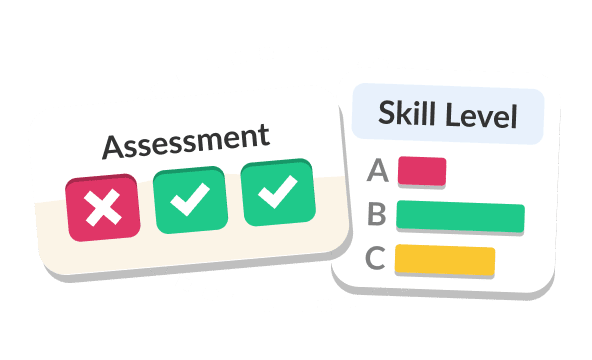
Diagnostic Finds Gaps
Shows what your child needs to study.
Step-by-Step Video Lessons
Child follows real lessons and solves alone.

Curriculum Aligned
Matches your state standards exactly.
Try It Now
Test your knowledge
Our approach aligns with the evidence
Exam Scores
Better Recall
Less Anxiety
8th Grade Social Studies Topics
1. Motivations
2. Colonial Powers
3. Regional Development
4. Colonial Life
6. Labor Systems
8. Colonial Response
9. British Actions
10. Colonial Resistance
11. Continental Congress
12. Early War
13. Key Battles
14. American Forces
15. British Forces
16. Society
19. Washington Era
20. Political Parties
21. European Relations
22. Territory
23. Transportation
24. Industry
25. Religious Revival
27. Expansion
27 Chapters · 54 Topics
Discover Our Learning Areas
Explore key subjects and start learning with interactive content.





What Is 8th Grade Social Studies?
8th grade social studies is the bridge between middle school and high school-level learning. In the United States, it focuses on US history from the colonial period through the Civil War and Reconstruction, the structure and function of the federal government, constitutional principles, civics, and foundational economics. Students are no longer just asked to recall facts — they are expected to analyze causes and effects, evaluate primary sources, and understand how historical events shaped the country they live in today. This shift in thinking makes 8th grade one of the most important years in a student's social studies education.
What Do Students Learn in 8th Grade Social Studies?
The core content of 8th grade social studies spans four major areas: US history, government, civics, and geography. In history, students trace the story of America from European exploration and colonization through the American Revolution, the founding of the republic, westward expansion, the causes and consequences of the Civil War, and the early Reconstruction period. In government and civics, students study the Constitution in depth — including the Bill of Rights, the three branches of government, checks and balances, and the rights and responsibilities of citizens. Geography remains part of the curriculum through map skills, regional analysis, and understanding how physical geography influenced historical events. Economics topics include trade, taxation, and the economic tensions that contributed to major turning points in American history.
Because the content is wide-ranging and analytical, students who arrive with gaps from earlier grades often find 8th grade social studies more difficult than expected. StudyPug's diagnostic assessments identify those gaps early, and adaptive practice closes them — covering 8th grade TEKS social studies and Florida grade 8 social studies curriculum standards among others.
Is 8th Grade Social Studies Hard?
For many students, 8th grade social studies is the first time the subject feels genuinely challenging. The jump from 7th grade — which typically covers world history and global cultures — to 8th grade US history and government is significant. Students are now expected to read and interpret historical documents, understand complex political concepts like federalism and separation of powers, and write analytical responses about historical events. The volume of content is also larger than previous years, and the material is directly tested in state assessments in many parts of the country.
The good news is that difficulty is almost always linked to specific gaps rather than a general inability to understand social studies. A student who finds the Constitution confusing may simply not have had enough practice with civics vocabulary and concepts. A student who struggles with US history timelines may need help connecting events causally rather than memorizing them in isolation. StudyPug's assessments are designed to surface exactly those specific weaknesses so practice is targeted and effective — not random or overwhelming.
How Is 8th Grade Social Studies Assessed?
8th grade social studies is assessed in several ways. Classroom assessments typically include unit tests on each major history period, civics and government quizzes, map and geography tasks, and short-answer or extended-response questions that ask students to analyze an event or document. Many states also include social studies in their standardized testing programs at the 8th grade level, making it a high-stakes year for academic performance. StudyPug's practice content mirrors this structure — covering the same topics, concepts, and question formats your child will encounter in both classroom tests and state assessments.
What Comes After 8th Grade Social Studies?
After completing 8th grade social studies, students move into high school-level courses. Depending on the state and school, these typically include World History, US History (often a more in-depth revisit of 8th grade themes), Geography, Economics, and a dedicated Government or Civics course — many of which are required for graduation. Students in honors or advanced tracks may encounter AP US History or AP Government as early as 9th or 10th grade. The analytical and content knowledge built in 8th grade is the direct foundation for all of these courses. Students who arrive in 9th grade with a strong grasp of US history, constitutional principles, and civic concepts are significantly better positioned for success.
Why StudyPug for 8th Grade Social Studies?
StudyPug is designed around how students actually learn social studies — not through passive reading, but through active practice that adjusts to where they are. Three things make StudyPug particularly effective for 8th grade.
First, certified-teacher video lessons explain the method behind understanding social studies concepts. Rather than just presenting facts, StudyPug's real teachers walk students through how to think about historical cause and effect, how to read a primary source, and how to understand government structures. These are the skills that separate students who do well in 8th grade from those who find it overwhelming.
Second, diagnostic assessments give parents and students a clear picture of exactly what needs work. Instead of spending practice time on topics your child already knows, StudyPug identifies the specific gaps — whether that is the Bill of Rights, Reconstruction, or economic history — and directs practice there. This makes study time far more efficient.
Third, adaptive practice means the difficulty of questions adjusts in real time based on your child's performance. If they are finding government concepts hard, practice stays focused on those concepts at an accessible level until understanding builds. As knowledge improves, questions become more challenging. There is no frustration from questions that are too advanced and no boredom from questions that are too easy — just steady, measurable progress.
StudyPug also provides weekly parent progress reports so you can see exactly how your child's skills in US history, civics, and government are developing, without needing to quiz them yourself.
What You Will Practice in 8th Grade Social Studies
StudyPug's 8th grade social studies content covers the full curriculum your child encounters at school. Key areas include:
- US History — colonial America, the American Revolution, the Constitution, westward expansion, the Civil War, and Reconstruction
- Government and the Constitution — the three branches of government, checks and balances, the Bill of Rights, federalism, and the amendment process
- Civics — rights and responsibilities of citizens, civic participation, the judicial system, and how laws are made
- Geography — map skills, US regions, the relationship between geography and historical events
- Economics Basics — trade, taxation, economic causes of historical conflicts, and the role of economics in government decisions
All content is aligned to state social studies standards. Whether your child follows the Texas TEKS, the Florida state standards, or the curriculum in another state, StudyPug's practice covers the topics and skills their teacher is teaching in class.
How to Use StudyPug for 8th Grade Social Studies
Getting started with StudyPug is straightforward. Sign up and your child takes a short diagnostic assessment that maps their current knowledge across US history, government, and civics. The results show exactly where the gaps are, so practice begins in the right place — not at the very beginning if your child already understands colonial history, and not at a level that is too advanced if they need to build from the basics of the Constitution.
From there, your child watches short certified-teacher video lessons on the topics the assessment identifies as needing work, then completes adaptive practice questions that reinforce what they just learned. If a concept does not click, they can replay the lesson as many times as needed. If they have a homework question they are stuck on, Photo Search lets them snap a picture of the question and get directed to the right lesson immediately.
Parents receive weekly progress updates showing which topics have improved and where more practice is still needed. The whole system is available on desktop and mobile, so your child can practice at home, at the library, or anywhere else that suits your family's schedule.
StudyPug's 30-day money-back guarantee means there is no risk in getting started. If you are not satisfied for any reason within the first 30 days, you receive a full refund — no questions asked. Start with free practice content today to see the platform before committing to a plan.
8th Grade Social Studies FAQ
Unsure how StudyPug works? Need help with setting up? Check our frequently asked questions or contact us for help.
What social studies topics does 8th grade cover?
8th grade social studies focuses on US history from the colonial era through Reconstruction, government and the Constitution, civics, and foundational economics. StudyPug covers all of these areas with certified-teacher video lessons and adaptive practice aligned to state standards, so your child builds understanding across every major topic they will be tested on.
How is 8th grade social studies different from earlier grades?
In 8th grade, social studies moves from descriptive learning to analytical thinking. Students are expected to evaluate primary sources, understand cause and effect in US history, and explain how government and civic systems work. The content is more demanding than grades 6–7, and it directly prepares students for high school-level coursework. StudyPug's adaptive practice matches this higher demand and builds the skills students need at this stage.
Is 8th grade social studies hard for most students?
Many students find the jump to 8th grade social studies challenging because it requires understanding complex concepts like the Constitution, branches of government, and historical analysis — not just memorizing facts. Geography, civics, and economics are also tested more rigorously. StudyPug's assessments identify exactly where your child finds it hard, so practice is focused and builds confidence step by step rather than covering everything at once.
How does StudyPug prepare 8th graders for high school?
StudyPug's diagnostic assessments reveal the specific gaps in US history, government, and civics knowledge before your child reaches 9th grade. Adaptive practice then closes those gaps progressively, building the analytical and recall skills high school social studies demands. Certified-teacher video lessons reinforce concepts so students arrive in high school with a real foundation, not just surface-level exposure.
How is 8th grade social studies assessed at school?
Schools typically assess 8th grade social studies through unit tests on US history periods, civics and government exams, map and geography assessments, and written-response questions analyzing historical events. Some states also include social studies in standardized testing. StudyPug's practice is based on real curriculum content and mirrors the topic structure your child encounters in classroom assessments, so they are prepared for the format and the content.
What comes after 8th grade social studies?
After 8th grade, students typically move into high school-level courses such as World History, US History, Geography, Economics, and Government or Civics — often taken for credit. These courses are more rigorous and may include AP or honors tracks. A strong 8th grade foundation in US history, government, and civics makes the transition significantly easier, which is why high school readiness is the core focus of StudyPug's 8th grade social studies content.





Written by the StudyPug Team
Last updated June 5, 2026
3 M+
students
★★★★★
4.8 average
K–12
all grades