Online 4th Grade Social Studies Help
Practice state history, US regions, and geography with step-by-step lessons aligned to state standards

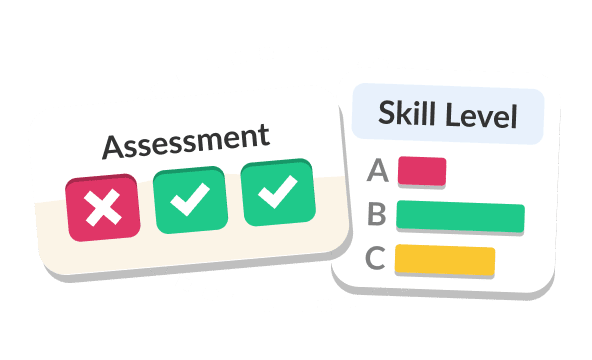
Diagnostic Finds Gaps
Shows what your child needs to review.
Step-by-Step Videos
Real teaching so your child solves alone.

Matches School Work
Built around your state standards not topics.
Try It Now
Test your knowledge
Our approach aligns with the evidence
Exam Scores
Better Recall
Less Anxiety
4th Grade Social Studies Topics
1. Constitution
2. Legislative Branch
3. Executive Branch
4. Judicial Branch
6. Civic Duties
7. Physical Features
8. Climate Zones
9. Natural Resources
10. Agricultural Regions
11. Population Growth
12. Exploration
13. Colonial Life
14. American Revolution
16. Territory Growth
17. Market Forces
18. Production
19. Economic Growth
22. Banking
23. Elections
24. Citizenship
25. Policy Making
26. Civic Action
27. Historical Research
27 Chapters · 54 Topics · 37 Videos
Discover Our Learning Areas
Explore key subjects and start learning with interactive content.











What Is 4th Grade Social Studies?
4th grade social studies is the year students zoom out from their local community and start exploring the bigger picture of the United States. Most state curricula at this level introduce the regions of the US, state history, and foundational map skills — along with an early look at economics basics and civic values. For many children, this is their first real encounter with reading physical and political maps, understanding how geography shapes history, and connecting their own state's story to the broader national one.
It is a significant step up from 3rd grade, where the focus was mostly on local communities and neighborhood structures. In 4th grade, the content gets wider in scope and more detail-heavy — which is exactly why some kids find it challenging and benefit from extra practice outside the classroom.
Is 4th Grade Social Studies Hard?
For a lot of students, yes — and that is perfectly normal. The challenge is not that the ideas are too complex; it is that there is simply more to keep track of. Students are expected to remember state capitals, identify regions on a map, understand timelines of state history, and grasp early economic concepts like supply and demand — all in one school year.
Children who found K-3 social studies easy sometimes hit a wall in 4th grade because the jump in scope is real. If your child is coming home with questions about why the Northeast region differs from the South, or why certain historical events happened in a particular order, that is a sign they are engaging with the material — they just need support to build the connections. Adaptive practice that starts at their current level and builds gradually is the most effective way to close those gaps without frustration.
What Do Students Learn in 4th Grade Social Studies?
While state standards vary, most 4th grade social studies programs share a common core of topics. Here is what your child is likely covering this year:
- Regions of the United States — Northeast, Southeast, Midwest, Southwest, and West; their geographic features, climate, and economic activity
- State history — the founding, development, and key events in your child's home state
- Map skills — reading physical and political maps, using a compass rose, understanding map scales and legends
- Economics basics — goods and services, producers and consumers, supply and demand at a simple level
- Civics foundations — local and state government structure, rights and responsibilities of citizens
- Indigenous peoples and early settlers — many state curricula include the history of Native peoples and early exploration in the region
If your child's class follows the Florida grade 4 social studies curriculum or the New York grade 4 social studies curriculum, StudyPug's content is aligned to those specific state standards — so practice directly supports what they are learning in class.
How Is 4th Grade Social Studies Assessed?
In most states, 4th grade social studies assessments combine multiple-choice questions, map-reading tasks, and short constructed-response questions. Students are expected to identify regions on a map, recall key historical figures and events in state history, and explain basic economic and civic concepts in their own words.
The shift toward short-answer and explanation questions is where many students feel underprepared — especially if their practice at home has only been flashcard-style memorization. StudyPug's adaptive practice is built around question formats that reflect real classroom assessments, so your child builds the kind of flexible understanding that transfers to tests, not just rote recall.
What Comes After 4th Grade Social Studies?
In 5th grade, social studies broadens into a full survey of US history — from early exploration and colonization through the American Revolution and the founding of the nation. Students also go deeper into geography and civics, including how the US government is structured at the federal level.
A strong 4th grade foundation in map skills, US regions, and state history makes 5th grade significantly easier. Students who are comfortable with geographic thinking and basic civic concepts in 4th grade are much better positioned to handle the more analytical demands of 5th grade — understanding cause and effect in history, comparing regions, and evaluating primary sources.
Why StudyPug for 4th Grade Social Studies?
StudyPug is built around one core idea: practice should meet your child exactly where they are, not where the textbook assumes they are. For 4th grade social studies, that means:
- Certified-teacher video lessons — real teachers explain US regions, state history, map reading, and civics in clear, grade-appropriate language. The videos teach the method and the concepts, not just the answers.
- Diagnostic assessments — a quick assessment at the start identifies exactly which 4th grade topics your child needs to work on. No more guessing or covering content they already know.
- Adaptive practice — questions adjust in difficulty based on your child's answers. They build from what they know, always working at the right level of challenge.
- Curriculum alignment — content follows state social studies standards, so everything your child practices connects directly to what their teacher is covering in class.
- Parent progress tracking — a clear dashboard shows you exactly how your child's knowledge is growing week over week, across every topic in the 4th grade curriculum.
- Photo Search — if your child gets stuck on a homework question, they can snap a photo and StudyPug will point them to the right lesson immediately.
Every plan comes with a 30-day money-back guarantee. There is no risk in trying it, and free practice content is available the moment you sign up.
What You Learn: 4th Grade Social Studies Topics
StudyPug's 4th grade social studies practice covers the full scope of the curriculum your child is working through this year. Key topic areas include:
- Identifying and describing the five regions of the United States and their characteristics
- Reading and interpreting physical maps, political maps, and thematic maps
- Understanding compass directions, map scales, and map legends
- State history — key events, figures, and the development of your child's home state
- Basic economic concepts — goods, services, producers, consumers, and how trade works
- Civics foundations — the role of local and state government, citizen rights and responsibilities
- Geographic features of the US — mountains, rivers, plains, coastlines, and how they influence settlement and economy
Practice is organized by topic, so you can target exactly the areas your child's diagnostic assessment flagged — or work through the full curriculum from start to finish.
How to Use StudyPug for 4th Grade Social Studies
Getting started is straightforward. When your child first logs in, a short diagnostic assessment covers the key 4th grade social studies topics and identifies where the knowledge gaps are. From there, StudyPug builds a focused practice plan — starting with the topics that need the most work first.
A typical session works like this: your child watches a short certified-teacher video lesson on the topic (for example, reading a physical map or understanding the Midwest region), then moves into adaptive practice questions. The questions start at their current level. As they answer correctly, the difficulty increases. If they find something hard, practice stays there until they are confident before moving on.
Parents can check the dashboard at any time to see what topics were practiced, how performance is trending, and which areas are still developing. There is no homework to assign and no schedule to follow — your child can practice for 15 minutes after school or a full session on the weekend. The system picks up exactly where they left off.
If your child hits a question they cannot figure out, Photo Search lets them snap the homework problem and get a recommendation for the right lesson instantly — so they never stay stuck for long.
Ready to build strong 4th grade social studies skills? Get Started today and see exactly where your child is — and where they are headed.
4th Grade Social Studies FAQ
Unsure how StudyPug works? Need help with setting up? Check our frequently asked questions or contact us for help.
What topics does 4th grade social studies cover?
4th grade social studies typically covers state history, the regions of the United States, map skills, basic economics, and an introduction to civic values and government. StudyPug's practice and video lessons align with these state standards so your child practices exactly what their teacher is covering in class.
Is 4th grade social studies hard?
It can feel challenging because students move from local community topics into broader US regions, state history, and early economics concepts. The jump in scope trips up many kids. StudyPug's adaptive practice starts at your child's current level and builds up gradually, so the content never feels overwhelming or out of reach.
How does adaptive practice help my 4th grader?
Questions adjust automatically based on how your child performs. If they answer correctly, the next question is slightly harder — building knowledge step by step. If they find something difficult, practice stays at that level until they're confident. This means no frustration and no boredom — just the right challenge at the right time.
How do assessments work for social studies?
StudyPug's quick diagnostic assessments identify exactly which 4th grade social studies topics your child needs to work on — whether that's US regions, state history, map skills, or civics basics. Once gaps are found, adaptive practice focuses there first, making study time efficient and targeted rather than random.
What comes after 4th grade social studies?
In 5th grade, students move into a broader study of US history from colonial times through the American Revolution, plus deeper civics and geography. Building a strong foundation in 4th grade — understanding US regions, state history, and map skills — sets your child up well for those more detailed 5th grade topics.
How is 4th grade social studies assessed at school?
Most 4th grade social studies assessments use a mix of map-reading exercises, short-answer questions about state history, and multiple-choice questions on US regions and civics. StudyPug's practice is built around these same question formats and aligned to state standards, so your child practices in a way that reflects real classroom tests.





Written by the StudyPug Team
Last updated June 5, 2026
3 M+
students
★★★★★
4.8 average
K–12
all grades