Online Kindergarten English Help for Your Child
Build phonics, reading, and vocabulary with real teachers and adaptive practice.
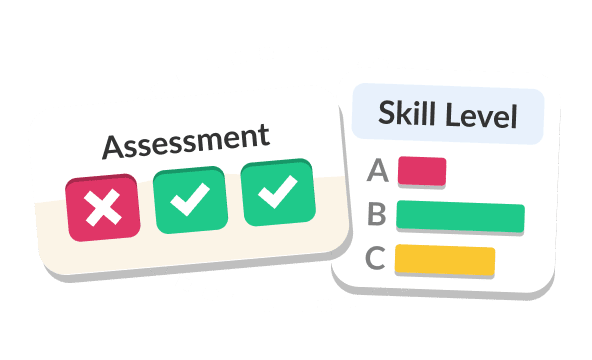
Find Your Weak Spots
See where your child needs practice most.
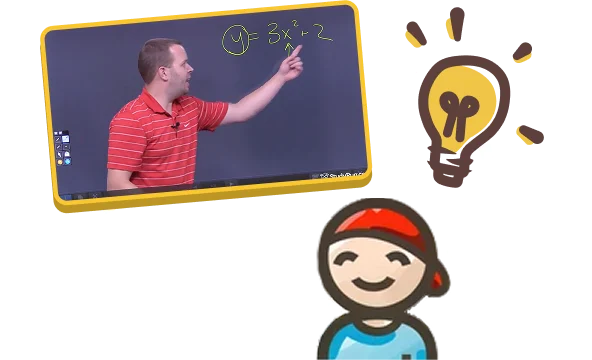
Step-by-Step Video Lessons
Real lessons teach kids to solve it alone.
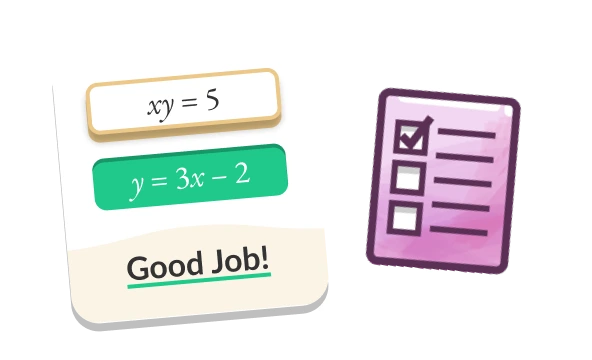
Adaptive Practice
Questions adjust to build child's confidence.
Try It Now
Test your knowledge
Our approach aligns with the evidence
Exam Scores
Better Recall
Less Anxiety
Kindergarten ELA Topics
1. CCSS.ELA-LITERACY.RL.K.1
2. CCSS.ELA-LITERACY.RL.K.2
3. CCSS.ELA-LITERACY.RL.K.3
4. CCSS.ELA-LITERACY.RL.K.4
5. CCSS.ELA-LITERACY.RL.K.5
6. CCSS.ELA-LITERACY.RL.K.6
7. CCSS.ELA-LITERACY.RL.K.7
8. CCSS.ELA-LITERACY.RL.K.9
9. CCSS.ELA-LITERACY.RL.K.10
10. CCSS.ELA-LITERACY.RI.K.1
11. CCSS.ELA-LITERACY.RI.K.2
12. CCSS.ELA-LITERACY.RI.K.3
13. CCSS.ELA-LITERACY.RI.K.4
14. CCSS.ELA-LITERACY.RI.K.5
15. CCSS.ELA-LITERACY.RI.K.6
16. CCSS.ELA-LITERACY.RI.K.7
17. CCSS.ELA-LITERACY.RI.K.8
18. CCSS.ELA-LITERACY.RI.K.9
19. CCSS.ELA-LITERACY.RI.K.10
20. CCSS.ELA-LITERACY.RF.K.1.A
21. CCSS.ELA-LITERACY.RF.K.1.B
22. CCSS.ELA-LITERACY.RF.K.1.C
23. CCSS.ELA-LITERACY.RF.K.1.D
24. CCSS.ELA-LITERACY.RF.K.2.A
25. CCSS.ELA-LITERACY.RF.K.2.B
26. CCSS.ELA-LITERACY.RF.K.2.C
27. CCSS.ELA-LITERACY.RF.K.2.D
28. CCSS.ELA-LITERACY.RF.K.2.E
29. CCSS.ELA-LITERACY.RF.K.3.A
30. CCSS.ELA-LITERACY.RF.K.3.B
31. CCSS.ELA-LITERACY.RF.K.3.C
32. CCSS.ELA-LITERACY.RF.K.3.D
33. CCSS.ELA-LITERACY.RF.K.4
34. CCSS.ELA-LITERACY.W.K.1
35. CCSS.ELA-LITERACY.W.K.2
36. CCSS.ELA-LITERACY.W.K.3
37. CCSS.ELA-LITERACY.W.K.5
38. CCSS.ELA-LITERACY.W.K.6
39. CCSS.ELA-LITERACY.W.K.7
40. CCSS.ELA-LITERACY.W.K.8
41. CCSS.ELA-LITERACY.L.K.1.A
42. CCSS.ELA-LITERACY.L.K.1.B
43. CCSS.ELA-LITERACY.L.K.1.C
44. CCSS.ELA-LITERACY.L.K.1.D
45. CCSS.ELA-LITERACY.L.K.1.E
46. CCSS.ELA-LITERACY.L.K.1.F
47. CCSS.ELA-LITERACY.L.K.2.A
48. CCSS.ELA-LITERACY.L.K.2.B
49. CCSS.ELA-LITERACY.L.K.2.C
50. CCSS.ELA-LITERACY.L.K.2.D
51. CCSS.ELA-LITERACY.L.K.4.A
52. CCSS.ELA-LITERACY.L.K.4.B
53. CCSS.ELA-LITERACY.L.K.5.A
54. CCSS.ELA-LITERACY.L.K.5.B
55. CCSS.ELA-LITERACY.L.K.5.C
56. CCSS.ELA-LITERACY.L.K.5.D
57. CCSS.ELA-LITERACY.L.K.6
58. CCSS.ELA-LITERACY.SL.K.1.A
59. CCSS.ELA-LITERACY.SL.K.1.B
60. CCSS.ELA-LITERACY.SL.K.2
61. CCSS.ELA-LITERACY.SL.K.3
62. CCSS.ELA-LITERACY.SL.K.4
63. CCSS.ELA-LITERACY.SL.K.5
64. CCSS.ELA-LITERACY.SL.K.6
64 Chapters · 138 Topics · 127 Videos
Discover Our Learning Areas
Explore key subjects and start learning with interactive content.





What Is Kindergarten English?
Kindergarten English is the first formal step in your child's literacy journey. At this stage, children learn the building blocks that every future reading and writing skill depends on: recognizing letters, connecting letters to sounds, sounding out simple words, and beginning to make sense of short texts. A strong kindergarten foundation means less frustration in first grade and beyond — and more confidence in the classroom from day one.
What phonics skills do kindergartners practice?
Phonics is the core of kindergarten English. Children learn that letters represent sounds — and that those sounds blend together to make words. At this grade level, practice focuses on:
- Letter-sound correspondence — connecting each letter of the alphabet to its sound
- Consonant and vowel sounds — distinguishing short vowel sounds (cat, bed, hop) from consonants
- Blending and segmenting — sounding out simple three-letter words (CVC words like sat, pin, cup)
- Phonemic awareness — hearing and manipulating individual sounds in spoken words, before print is even involved
StudyPug's certified-teacher video lessons walk through each phonics concept step by step, so children see and hear exactly how the skill works before they practice it. The adaptive practice then reinforces those sounds at just the right difficulty level — never too easy, never overwhelming.
How does reading comprehension start in kindergarten?
Reading comprehension in kindergarten is simpler than in later grades, but it is just as important to get right early. At this level, comprehension means:
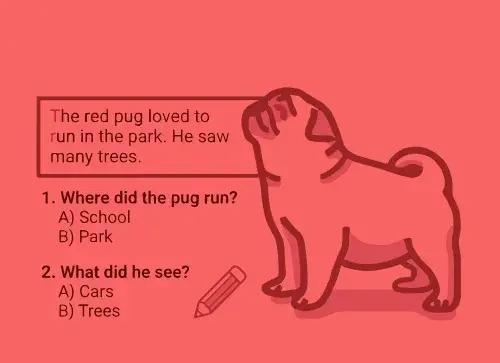
- Following along with a short story and answering basic questions about it
- Identifying characters, setting, and what happens in a simple narrative
- Connecting pictures to words and understanding that print carries meaning
- Retelling a short story in the right order
When phonics and comprehension develop together, children do not just decode words — they understand them. StudyPug's practice covers both strands so neither skill falls behind the other.
What vocabulary do kindergartners build?
Vocabulary in kindergarten spans two important categories. The first is sight words — high-frequency words like the, and, is, you, and said that appear so often in text that children need to recognize them instantly, without sounding out every letter. The second is everyday vocabulary — naming words, action words, and describing words that help children talk and write about the world around them.
A rich kindergarten vocabulary gives children the raw material they need to understand what they read and express what they think. Practice on StudyPug covers both sight-word recognition and vocabulary in context, aligned to what state standards expect at this grade level.
Is grammar taught in kindergarten?
Yes — gently. Kindergarten grammar is mostly about spoken and written language awareness rather than formal rules. Children learn that sentences start with a capital letter, that a sentence expresses a complete thought, and that a period or question mark goes at the end. They also begin to notice the difference between nouns (naming words) and verbs (action words) in simple sentences.
These early grammar concepts build the habits that make writing clear in later grades. StudyPug introduces them in short, clear video lessons taught by real teachers, so the ideas feel natural rather than intimidating.
How is kindergarten English assessed at school?
Kindergarten teachers assess reading readiness through a mix of one-on-one reading check-ins, phonics screeners, and classroom observation. Common benchmarks include letter-name fluency (can your child name all 26 letters?), letter-sound fluency (can they give the sound for each?), and phonemic awareness tasks like isolating the first sound in a word or blending three sounds into a word.
StudyPug's diagnostic assessment mirrors this approach — it quickly identifies which skills are solid and which need more work, then routes your child straight to the right practice. No guessing, no wasted sessions on things they already know.
Why StudyPug for Kindergarten English?
Most online reading tools for young children are either glorified flashcard apps or passive videos that children watch without practicing. StudyPug combines both into one complete system built around three things parents care most about: knowing where their child stands, knowing what to do about it, and being able to see progress over time.
Certified-teacher video lessons cover every kindergarten English skill — phonics, sight words, vocabulary, early comprehension, and basic grammar. A real teacher explains each concept clearly before your child practices, so there is always a model to refer back to if something does not click the first time.
Diagnostic assessment takes the guesswork out of where to start. Instead of working through every topic from scratch, the short diagnostic identifies exactly which phonics patterns or vocabulary areas need attention. Your child gets a focused practice path from their very first session.
Adaptive practice adjusts question difficulty in real time. When your child answers correctly, the next question gets a little harder. When they find something tricky, the practice stays at that level until the skill is solid. This means no frustration from being pushed too fast, and no boredom from reviewing things already mastered.
Progress tracking gives you a clear weekly picture of which skills are growing. The parent dashboard shows exactly where your child is improving and flags any areas that still need work — so you can have informed conversations with their teacher and feel confident about your child's development.
Free practice content is available from day one, with no risk. When you are ready for full access, the 30-day money-back guarantee means you can try the complete program without any financial commitment.
What you learn: Kindergarten English topics covered
StudyPug's Kindergarten English course covers all the skills your child's teacher is introducing in class, aligned to state standards. Core topics include:
- Letter recognition — uppercase and lowercase letters
- Phonemic awareness — hearing and manipulating sounds in spoken words
- Phonics — letter-sound relationships, short vowels, beginning and ending consonants
- CVC word decoding — sounding out simple three-letter words
- Sight words — high-frequency words for instant recognition
- Basic vocabulary — naming words, action words, describing words
- Early reading comprehension — story elements, retelling, simple questions
- Print concepts — left-to-right, top-to-bottom, word boundaries
- Sentence awareness — capital letters, periods, question marks
State curriculum resources are available for key states. If you want to see exactly how StudyPug's kindergarten content maps to your state's expectations, you can explore the Florida kindergarten ELA curriculum or the New York kindergarten ELA curriculum alignment pages.
Using StudyPug for Kindergarten English practice
Getting started takes less than five minutes. Here is how most families use StudyPug for kindergarten English practice:
Step 1 — Run the diagnostic. The short assessment identifies your child's current phonics and reading level. This creates a focused starting point so the first practice session is already targeted at the right skills.
Step 2 — Watch a video lesson together. For younger children, watching the certified-teacher video with your child for the first session or two helps them feel comfortable with the format. The teacher explains the concept clearly and shows how to work through examples before the practice questions begin.
Step 3 — Practice independently. Once your child is comfortable, they can work through the adaptive practice on their own — on a tablet, phone, or desktop. Sessions work well at 10–15 minutes, which matches young children's attention spans without fatigue.
Step 4 — Check the progress dashboard. After each session, the parent dashboard updates with new data. You can see which skills your child practiced, how they scored, and where the adaptive system is taking them next. Use this to celebrate wins and spot any skills that need a little extra attention before the school week ahead.
Step 5 — Use Photo Search when homework is tricky. If your child brings home a phonics worksheet or reading activity they are unsure about, use Photo Search to snap the question and find the right lesson instantly — a quick supporting tool for those moments when you need help finding the right starting point.
Consistent short sessions — a few times per week — are more effective than long infrequent ones for kindergarten learners. The adaptive system tracks every session, so even 10 minutes of focused phonics practice adds up to real, measurable progress over a term.
Kindergarten English FAQ
Unsure how StudyPug works? Need help with setting up? Check our frequently asked questions or contact us for help.
What's included in the subscription?
Full access to all Kindergarten English video lessons, adaptive practice, assessments, and progress tracking. One subscription covers up to 5 children and all grades, subjects, and courses on StudyPug.
Can I sign up free to try it?
Yes! Free practice content is available to explore right away. When you're ready to subscribe, we back it with a 30-day money-back guarantee — if it's not right for your child, we'll refund you.
How much does it cost?
Plans start with one low monthly payment, with annual options for the best value. One plan covers up to 5 children and all subjects. 30-day money-back guarantee. [See all plans →]
What does Kindergarten English cover?
Lessons cover letter recognition, phonemic awareness, phonics, sight words, basic vocabulary, and early reading comprehension — the full set of foundational literacy skills for kindergarten.
How does adaptive practice work?
Questions start at your child's current level and get progressively harder as they improve. No frustration from work that is too hard, and no wasted time on skills they already have.
Is the content aligned with school curriculum?
Yes. All Kindergarten English content is aligned to state standards, so practice reinforces exactly what your child's teacher is introducing in class.





Written by the StudyPug Team
Last updated June 5, 2026
3 M+
students
★★★★★
4.8 average
K–12
all grades