Online Grade 1 Social Studies Help
Adaptive practice builds community, maps, and history knowledge at their pace
Find Your Weak Spots
Know exactly what your child needs.
Step-by-Step Videos
Real lessons help your child solve it alone.
Practice That Adapts
Questions adapt as your child grows.
Try It Now
Test your knowledge
Our approach aligns with the evidence
Exam Scores
Better Recall
Less Anxiety
Grade 1 Social Studies Topics
1. Personal Roles
2. Changing Roles
3. Role Interactions
4. Community Roles
5. Cultural Diversity
6. Cultural Expression
7. Cultural Celebrations
8. Indigenous Perspectives
9. Community Services
10. Community Helpers
11. Local Government
12. Community Rules
13. Basic Needs
14. Goods and Services
15. Financial Awareness
16. Economic Choices
17. Past and Present
18. Family Stories
19. Historical Evidence
20. Timeline Creation
21. Early Peoples
22. Immigration Stories
23. Cultural Exchange
24. Community Growth
25. Local Geography
26. Map Skills
27. Human Environment
28. Environmental Care
29. Questioning
30. Information Gathering
31. Analysis
32. Communication
33. Perspective Taking
34. Decision Making
35. Problem Solving
36. Reflection
36 Chapters · 36 Topics · 32 Videos
Discover Our Learning Areas
Explore key subjects and start learning with interactive content.

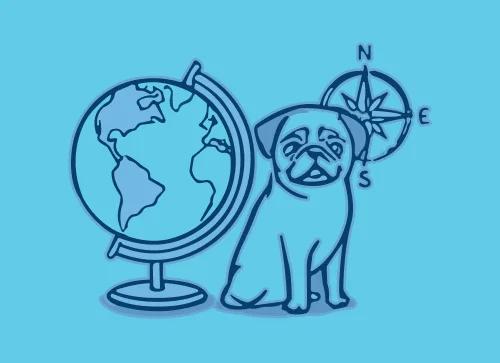
What Is Grade 1 Social Studies?
Grade 1 social studies is a child's first structured introduction to the world beyond their home. At this level, children explore who their community helpers are — firefighters, teachers, doctors, farmers — and begin to understand how neighbourhoods work together. They learn to read simple maps, identify national symbols, and connect everyday life to the wider world around them. In Canadian provinces, the Grade 1 curriculum is designed to build curiosity about people, places, and the past in age-appropriate, engaging ways. StudyPug's Grade 1 Social Studies course covers all of these foundational topics with certified-teacher video lessons and adaptive practice that match what your child is learning in class right now.
What Does My Child Learn in Grade 1 Social Studies?
The Grade 1 social studies curriculum introduces four key areas. First, community and community helpers: children identify the roles people play in keeping a community running and why those roles matter. Second, basic geography and maps: they learn directional words (up, down, left, right, north, south), read simple maps of classrooms and neighbourhoods, and begin to understand what a globe represents. Third, national identity and symbols: children learn about the Canadian flag, important national traditions, and what it means to belong to a country. Fourth, history and cultural traditions: they explore how families celebrate differently, how traditions are passed down, and how communities have changed over time. These four pillars form the backbone of the provincial curriculum across Ontario, BC, and Alberta — and StudyPug's lessons are built around all of them.
Is Grade 1 Social Studies Difficult?
For many young children, Grade 1 social studies feels unfamiliar because it asks them to think about ideas — community, history, identity — that are abstract compared to counting or reading letters. Map reading can be particularly tricky; understanding that a drawing represents a real place requires a big cognitive leap at age six or seven. StudyPug keeps things concrete and simple. Every lesson starts with an everyday example your child already understands, then builds carefully toward the curriculum concept. The practice questions are written at a reading level appropriate for Grade 1, and the adaptive system ensures your child never faces a question that's too far ahead of where they are. If something doesn't click, the lesson revisits it from a different angle.
How Is Grade 1 Social Studies Assessed at School?
In most Canadian provinces, Grade 1 social studies is assessed informally through teacher observation, classroom participation, simple drawing and labelling tasks, and short oral or written responses. There are no standardised tests at this level — teachers look for understanding of key ideas like community roles, basic map skills, and cultural awareness. StudyPug's built-in diagnostic assessments mirror this approach: short, low-pressure checks that identify which topics your child understands well and which need more practice. Parents can view the results in the progress dashboard and use them to guide practice at home without putting any pressure on their child.
What Comes Next After Grade 1 Social Studies?
Grade 2 social studies expands the lens from your child's immediate neighbourhood to the broader local community and beyond. Children learn about different types of communities (rural, urban, suburban), explore how communities around the world meet the same basic needs in different ways, and build more advanced map skills including cardinal directions and simple grid references. The history strand deepens as well, moving from family traditions to community history and changes over time. A child who finishes Grade 1 with strong knowledge of community helpers, basic maps, and national symbols will find Grade 2 content much more accessible — which is exactly why practising Grade 1 concepts thoroughly matters.
Why StudyPug for Grade 1 Social Studies?
StudyPug brings together three things that make a real difference for young social studies learners. First, certified-teacher video lessons: real teachers explain every concept clearly, using language and visuals designed for Grade 1 children — not adults simplifying on the fly. Second, adaptive practice: questions adjust automatically to your child's level, so practice is always challenging enough to build knowledge but never so hard it causes frustration. Third, provincial curriculum alignment: whether your child is following the Ontario Grade 1 social studies curriculum or the grade one social studies curriculum in BC, the content matches what their teacher is covering right now. You also get a parent progress dashboard so you can see exactly which topics your child has practised, how they are improving week by week, and where a little extra support might help.
What Topics Will My Child Practice on StudyPug?
The Grade 1 Social Studies course on StudyPug covers the full provincial curriculum, including: community helpers and their roles; types of communities (home, school, neighbourhood); reading and creating simple maps; cardinal directions and positional language; the Canadian flag, anthem, and key national symbols; cultural traditions and celebrations within Canada; basic concepts of past, present, and change over time; and introductory geography including land and water on a globe. Every topic comes with a short certified-teacher video lesson that explains the idea clearly, followed by adaptive practice questions that check understanding and build knowledge progressively. The Photo Search feature also lets your child snap a picture of a homework question and find the right lesson instantly — a helpful support tool on busy school nights.
How to Use StudyPug for Grade 1 Social Studies at Home
Getting started is simple. After signing up, the diagnostic assessment identifies which Grade 1 social studies topics your child already understands and which need attention — so you skip the guesswork. From there, your child watches a short certified-teacher video lesson on the first topic, then completes a set of adaptive practice questions. The practice adjusts in real time: if answers come easily, the questions become a little harder to keep building; if something is tricky, the system reinforces the concept before moving on. Most families find 10–15 minutes of focused practice a few times a week is enough to see real improvement. You can check the parent dashboard at any time to see progress across all Grade 1 social studies topics, and your child can replay any lesson or quiz as many times as they like — repetition builds confidence at this age. With a 30-day money-back guarantee and free practice content available to try first, there's no risk in getting started today.
Grade 1 Social Studies FAQ
Unsure how StudyPug works? Need help with setting up? Check our frequently asked questions or contact us for help.
What social studies topics does Grade 1 cover?
Grade 1 social studies covers community helpers, basic maps and directions, national symbols, neighbourhoods, and simple history of local traditions and cultural celebrations. StudyPug lessons follow provincial curriculum so every topic matches what your child is learning in class.
Is Grade 1 social studies hard for young children?
It can feel overwhelming when concepts like maps or community roles are new. StudyPug breaks every topic into small, manageable steps with certified-teacher video lessons designed for Grade 1 learners. The practice questions start easy and only get harder when your child is ready, so they build confidence at every stage.
How does adaptive practice work for Grade 1?
Questions start at your child's current level — never too hard, never too easy. As they answer correctly, the difficulty increases gradually to keep building knowledge. If they find something tricky, the practice eases back and reinforces the concept before moving on. It meets them exactly where they are.
Does the content align with the provincial curriculum?
Yes. All Grade 1 social studies content is aligned with provincial curriculum standards. Whether you're in Ontario, BC, or Alberta, the lessons and practice cover the topics and vocabulary teachers use in class. You can explore the specific curriculum coverage for your province on the topic pages.
What comes after Grade 1 social studies?
Grade 2 social studies builds on Grade 1 foundations, expanding from personal community to broader local communities, deeper map skills, and connections between past and present. Strong Grade 1 knowledge of community helpers, maps, and basic history gives children an excellent start for Grade 2 and beyond.
How is social studies assessed in Grade 1?
In Grade 1, teachers typically assess social studies through classroom observations, simple projects, and short quizzes on topics like community roles and maps. StudyPug's diagnostic assessments identify exactly which concepts your child has mastered and which need more practice, so you always know where to focus.




Written by the StudyPug Team
Last updated June 5, 2026
3 M+
students
★★★★★
4.8 average
K–12
all grades