Online Grade 2 Social Studies Help
Adaptive practice builds community, maps, and history skills at their pace
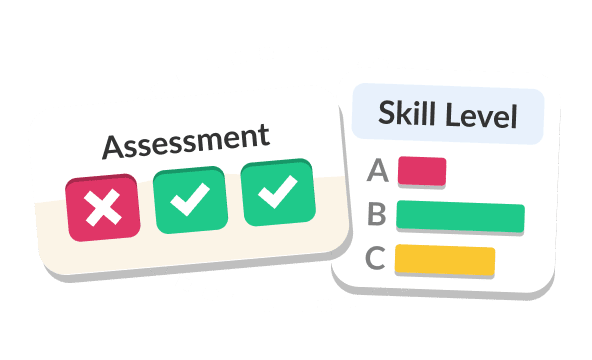
Find Your Weak Spots
See what your child needs to review.
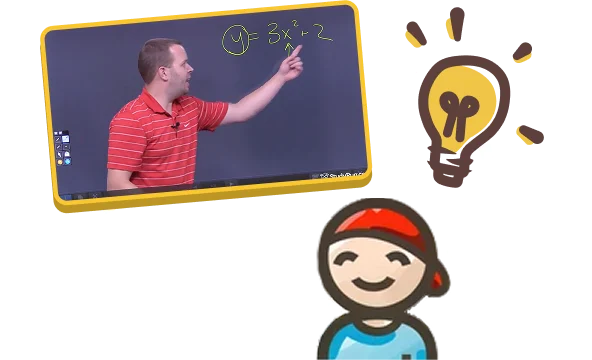
Step-by-Step Videos
Child watches lessons then solves problems alone.
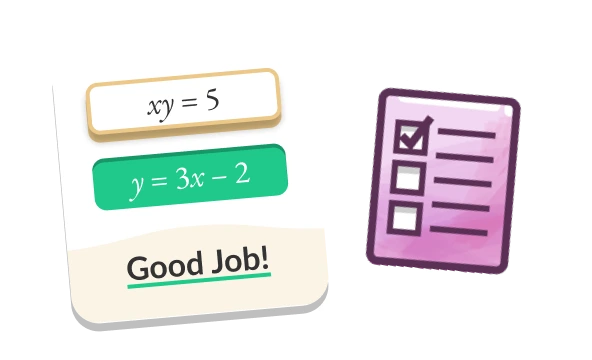
Adaptive Practice
Questions adjust to build your child's confidence.
Try It Now
Test your knowledge
Our approach aligns with the evidence
Exam Scores
Better Recall
Less Anxiety
Grade 2 Social Studies Topics
1. World Languages
2. Global Traditions
3. Cultural Expression
4. Global Connections
5. Global Awareness
6. Global Responsibilities
7. Global Cooperation
8. Global Rights
9. Basic Needs
10. Regional Differences
11. Community Services
12. Adaptation
13. Types of Work
14. Technology Change
15. Economic Activities
16. Future Work
17. Family Traditions
18. Community Traditions
19. Belief Systems
20. Cultural Preservation
21. Indigenous Heritage
22. Settler Relations
23. Historical Injustices
24. Community History
25. Global Geography
26. Climate Regions
27. Natural Resources
28. Environmental Care
29. Settlement Patterns
30. Resource Use
31. Environmental Change
32. Sustainability
33. Discovery History
34. Global Innovations
35. Technology Impact
36. Future Thinking
37. Research Methods
38. Analysis
39. Communication
40. Problem Solving
40 Chapters · 40 Topics · 28 Videos
Discover Our Learning Areas
Explore key subjects and start learning with interactive content.

What is Grade 2 Social Studies?
Grade 2 Social Studies introduces children to the world just beyond their front door. At this level, the curriculum focuses on community connections, reading simple maps and globes, learning about historical figures, and exploring cultural traditions from around the world. Whether your child follows the ontario grade 2 social studies curriculum or the british columbia grade 2 social studies curriculum, the core ideas are consistent: understanding how communities work, how people live together, and how the world looks on a map. It is a foundational year — the concepts your child learns now will support everything from Canadian history in Grade 4 to world geography in Grade 6.
What do Grade 2 students learn in Social Studies?
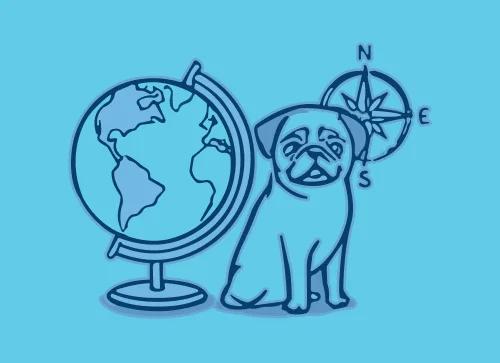
In Grade 2, children typically explore four broad areas. First, community and belonging — who lives in their neighbourhood, what roles people play, and how communities meet everyone's needs. Second, maps and spatial thinking — reading simple maps, understanding directions (north, south, east, west), and recognising continents and oceans on a globe. Third, people and history — hearing stories about significant historical figures and understanding that the past shapes the present. Fourth, cultures and traditions — learning that families celebrate differently and that diversity makes communities richer. Together these strands build curiosity about the wider world and a sense of civic identity.
Is Grade 2 Social Studies hard for kids?
For many children, Grade 2 Social Studies feels manageable — but specific skills like reading a map legend, remembering the names of provinces, or connecting a historical figure to a timeline can trip them up. The subject also asks children to think abstractly about concepts like fairness, rules, and community roles that are not always obvious in daily life. The good news is that with the right support, these ideas click quickly. Short, focused practice sessions that revisit concepts in different ways make a big difference. If your child finds social studies confusing, it usually means they need one concept explained in simpler terms — not that they are behind.
How is Grade 2 Social Studies assessed?
In most Canadian provinces, Grade 2 Social Studies is assessed through classroom observations, short projects, and teacher-led discussions rather than formal written exams. Teachers look for whether children can describe their community, use basic map skills, and talk about cultural traditions with respect and curiosity. At home, the best way to support this is consistent, low-pressure practice that reinforces the vocabulary and concepts your child is working on at school. Progress tracking through StudyPug lets you see which topic areas are strongest and which ones need a bit more attention before the next unit begins.
What comes after Grade 2 Social Studies?
Grade 3 Social Studies deepens community studies by exploring local government, provincial geography, and the basics of economics — how goods and services work. Children who have a strong grasp of maps, community roles, and basic historical thinking in Grade 2 find the transition to Grade 3 much smoother. Building these foundations now means your child will feel confident, not confused, when topics get more complex. StudyPug's adaptive practice is designed to close any gaps before they carry forward into the next grade.
How does StudyPug approach Grade 2 Social Studies practice?
StudyPug uses adaptive practice — questions that adjust to your child's current level. If your child answers correctly, the next question gets a little harder. If they find something tricky, the system slows down and reinforces the concept before moving on. This means no frustration from questions that are too difficult, and no boredom from questions they already know. Every practice session builds knowledge progressively, which is exactly how young learners absorb social studies best: one small step at a time.
Why StudyPug for Grade 2 Social Studies?
StudyPug combines three things parents tell us matter most for Grade 2: real teacher explanations, curriculum alignment, and visible progress. Certified teachers deliver every video lesson, explaining community, maps, and history in clear, friendly language your child can follow. All content is aligned to provincial curriculum standards — so what your child practises on StudyPug is exactly what their teacher is covering in class. And the parent dashboard gives you a weekly snapshot of how their social studies knowledge is growing, so you always know where things stand.
What Grade 2 Social Studies topics can my child practise on StudyPug?
StudyPug covers the full range of Grade 2 Social Studies topics, including:
- Community helpers and roles — who keeps a community running and why
- Maps and globes — reading map legends, cardinal directions, and identifying continents
- Local and national geography — provinces, territories, and major landforms
- Historical figures — stories of people who made a difference in Canadian and world history
- Cultural traditions — celebrations, customs, and the diversity of families in Canada
- Rules and fairness — why communities have rules and how they help everyone
Each topic has video lessons taught by certified teachers, followed by adaptive practice questions that reinforce what was just explained. Your child can work through topics in any order, or follow along with what their class is currently studying.
How to use StudyPug for Grade 2 Social Studies at home
Getting started is simple. After signing up, your child takes a short diagnostic assessment that identifies which Grade 2 Social Studies topics they already understand and which ones need more practice. From there, StudyPug recommends a personalised practice path. Most families find that two or three short sessions per week — around 15 to 20 minutes each — is enough to see steady improvement. You can use the parent dashboard to check progress at any time, and the Photo Search feature lets your child snap a homework question and find the right lesson instantly. With a 30-day money-back guarantee, there is no risk in giving it a try. Start today and give your Grade 2 child the social studies support they deserve.
Grade 2 Social Studies FAQ
Unsure how StudyPug works? Need help with setting up? Check our frequently asked questions or contact us for help.
Can I sign up free to try it?
Yes — sign up free to access sample Grade 2 Social Studies lessons. Subscribe when you're ready, with a 30-day money-back guarantee.
How much does it cost?
Plans start with one low monthly payment, with annual options for the best value. One plan covers up to 5 children and all subjects, with a 30-day money-back guarantee.
What's included in the subscription?
Full access to certified-teacher video lessons, diagnostic assessments, adaptive practice, Photo Search, and parent progress reports for Grade 2 Social Studies.
How does adaptive practice work?
Questions start at your child's current level and gradually get harder as they improve — challenging without being frustrating, so knowledge builds steadily.
Is the content aligned with provincial curriculum?
Yes! All Grade 2 Social Studies content is aligned with provincial curriculum standards, covering exactly what your child's teacher covers in class.
What topics does Grade 2 Social Studies cover?
Grade 2 Social Studies covers community connections, maps and globes, historical figures, local geography, and cultural traditions — the core topics taught across Canadian provinces.




Written by the StudyPug Team
Last updated June 5, 2026
3 M+
students
★★★★★
4.8 average
K–12
all grades