Learn Kindergarten English Language Arts Online
Build phonics and early reading confidence with real-teacher video lessons aligned to provincial curriculum.
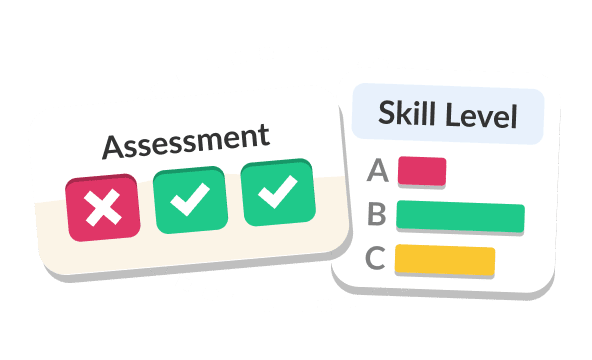
Finds the Gaps
A quick check reveals your child's next step.
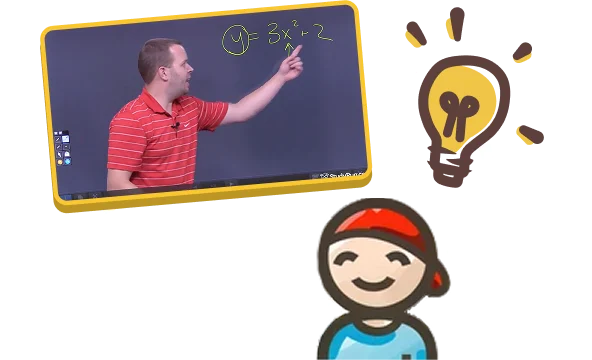
Step-by-Step Videos
Real lessons your child can solve alone.
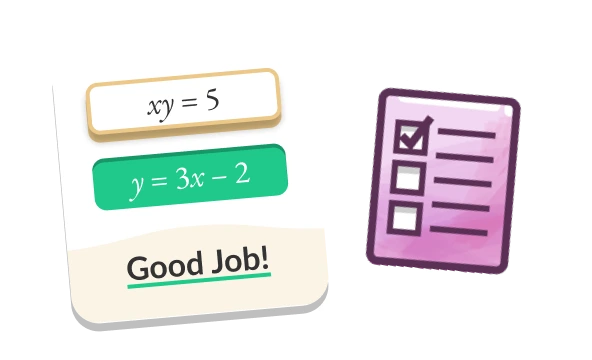
Adaptive Practice
Questions adapt to build your child's confidence.
Try It Now
Test your knowledge
Our approach aligns with the evidence
Exam Scores
Better Recall
Less Anxiety
Kindergarten English Topics
1. Print Concepts
2. Letter Knowledge
3. Phonological Awareness
4. Reading Behavior
5. Story Elements
7. Reading Comprehension
9. Opinion Writing
10. Informative Writing
11. Narrative Writing
12. Discussion Skills
13. Listening Comprehension
17. Word Relationships
18. Word Usage
19. Media Awareness
19 Chapters · 49 Topics · 53 Videos
Discover Our Learning Areas
Explore key subjects and start learning with interactive content.



What is Kindergarten English Language Arts?
Kindergarten English Language Arts is the formal start of your child's literacy journey. In Canada, Kindergarten ELA covers the foundational skills that every reader and writer needs: recognising and naming letters of the alphabet, understanding that printed words carry meaning, developing phonemic awareness (the ability to hear and manipulate the individual sounds in words), and building an early vocabulary. By the end of Kindergarten, most provincial curricula expect children to identify all 26 letters, connect letters to their most common sounds, read a core set of sight words, and listen to and retell simple stories. These are not trivial skills — they are the direct prerequisites for the reading comprehension, grammar, and writing work that begins in Grade 1 and builds every year after.
What phonics skills do Kindergarteners practice?
Phonics is the science of connecting letters and sounds, and it is the single most researched area of early literacy instruction. In Kindergarten, children practice letter-sound correspondence (knowing that the letter b makes the /b/ sound), consonant and short-vowel sounds, simple consonant-vowel-consonant (CVC) word blending (cat, dog, sit), and the difference between vowels and consonants. They also practice phonemic awareness tasks — clapping syllables, identifying rhyming words, and isolating the first sound in a spoken word — before any print is involved at all. StudyPug's certified-teacher video lessons walk through every one of these phonics concepts in short, clear segments. The step-by-step approach means your child never skips a foundation, and practice problems reinforce each sound pattern until it sticks.
How does reading comprehension begin in Kindergarten?
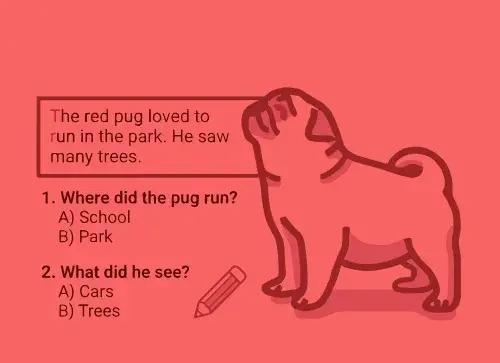
Reading comprehension in Kindergarten starts well before children can decode independently. It begins with listening comprehension — hearing a story read aloud and answering questions about characters, events, and sequence. Children practice retelling the beginning, middle, and end of a story, identifying the main idea of a simple informational text, and making basic predictions. These listening and thinking skills become reading-comprehension skills the moment decoding catches up. StudyPug's Kindergarten ELA practice builds both tracks simultaneously: phonics and decoding on one side, meaning-making and vocabulary on the other, so neither skill lags behind.
What vocabulary does a Kindergartener need to build?
Vocabulary at the Kindergarten level falls into two categories: spoken vocabulary (words children understand and use when talking) and print vocabulary (the sight words they recognise instantly on a page). Common provincial Kindergarten sight-word lists include words like the, a, is, in, I, my, we, go, see, and, to, you — words that appear so frequently in early texts that decoding them letter by letter would slow reading to a halt. Beyond sight words, Kindergarteners build concept vocabulary through themes: colours, numbers, shapes, seasons, family, classroom objects. StudyPug's vocabulary practice covers both layers, helping children connect spoken words to their printed forms and build the word bank they need for Grade 1 reading passages.
Is Kindergarten ELA hard? What if my child is behind?
Every child arrives at Kindergarten with a different amount of pre-literacy exposure, and falling behind early is far more common than parents realise. Some children enter knowing most of their letters; others know very few. Some have been read to every night for years; others are just beginning. Neither situation is a problem — what matters is targeted practice from wherever your child currently is. StudyPug's diagnostic assessment takes just a few minutes and identifies exactly which letters, sounds, or vocabulary concepts need the most attention. There is no pressure and no judgement. The platform then routes your child to the right video lessons and practice questions for their specific gaps, so time is never wasted on what they already know. Many parents find that within four to six weeks of consistent practice, children who were behind their classmates begin to close the gap meaningfully.
How is ELA assessed in Canadian Kindergarten classrooms?
Canadian provincial Kindergarten assessment is largely observational and developmental rather than test-based. Teachers in Ontario, British Columbia, Alberta, and other provinces document children's emerging literacy through classroom observation, oral reading records, anecdotal notes, and structured activities. They look for growth in print awareness, phonemic awareness, letter knowledge, and oral language. There are no standardised provincial exams at the Kindergarten level. This means parents often receive limited numerical data and instead get descriptive comments in report cards. StudyPug's short in-platform assessments provide a complementary layer of data — clear, parent-friendly snapshots of which Kindergarten ELA skills your child has demonstrated and which still need practice, based on real curriculum expectations.
Why StudyPug for Kindergarten English Language Arts?
StudyPug was built around one principle: every child deserves instruction that meets them exactly where they are, not where the curriculum assumes they should be. For Kindergarten ELA, that means three things working together.
First, certified-teacher video lessons teach the method — not AI-generated summaries, but real teachers explaining why the letter c sometimes sounds like /s/ and sometimes like /k/, or how to blend the sounds in a CVC word from left to right. These lessons are short enough to hold a five-year-old's attention and clear enough for a parent to co-watch and reinforce.
Second, the diagnostic assessment removes the guesswork. Instead of starting at the beginning of the alphabet every time, your child starts at their actual gap. The platform identifies whether the issue is consonant sounds, vowel recognition, sight-word recall, or listening comprehension — and directs practice accordingly. This is the StudyPug adaptive practice system at work: questions adjust to your child's current level and increase in difficulty only as skills are demonstrated, so there is always challenge without overwhelm.
Third, all content is aligned to provincial curriculum standards across Canada. Whether your family is in Ontario, British Columbia, Alberta, Saskatchewan, or elsewhere, the Kindergarten ELA lessons reflect what classroom teachers are expected to cover. Practice at home reinforces school learning rather than running parallel to it.
One subscription covers up to five children and all grades and subjects on StudyPug — so as your Kindergartener grows into Grade 1, 2, and beyond, the platform grows with them. There are no separate purchases for each grade. And with a 30-day money-back guarantee, there is no risk in getting started today.
What you learn: Kindergarten ELA topics covered
StudyPug's Kindergarten English Language Arts course covers the full scope of early literacy skills expected by Canadian provincial curricula. Core topic areas include:
- Letter recognition and formation — uppercase and lowercase identification for all 26 letters
- Phonemic awareness — rhyming, syllable counting, onset-rime, phoneme isolation and blending
- Basic phonics — consonant sounds, short vowel sounds, CVC word blending and segmenting
- Sight words — high-frequency word recognition from core Kindergarten lists
- Vocabulary development — concept words, classroom vocabulary, thematic word sets
- Print awareness — directionality, word boundaries, understanding that print carries meaning
- Listening comprehension — story retelling, sequencing, main idea identification from read-alouds
For families in Ontario and British Columbia specifically, you can explore the aligned curriculum expectations directly: see the Ontario Kindergarten ELA curriculum and the British Columbia Kindergarten ELA curriculum for a detailed breakdown of what is expected at this level in each province.
Using StudyPug for Kindergarten ELA practice at home
Getting started with StudyPug takes less than five minutes. After signing up, the Kindergarten ELA diagnostic assessment runs automatically and generates a personalised starting point for your child. From there, a typical home practice session looks like this: your child watches a short certified-teacher video lesson on a targeted concept (for example, short-vowel a sounds), then completes a set of adaptive practice questions on that concept. The questions adjust in difficulty based on how your child responds — getting slightly harder as they succeed, or offering a simpler version if they are finding something challenging. You can monitor every session from the parent dashboard, which tracks which topics have been covered, how many questions were attempted, and where improvement is happening.
For Kindergarten learners, we recommend short daily sessions of 10–15 minutes rather than longer, less frequent practice. Consistency matters more than duration at this age, and the platform is designed to deliver a meaningful, focused practice block in exactly that time. StudyPug works on tablets, smartphones, and desktop computers — so whether your child practices at the kitchen table on a tablet or on a laptop before school, the experience is the same. Photo Search is also available: if your child brings home a worksheet or a book question they are finding difficult, you can take a photo of it and StudyPug will point you directly to the right lesson. It is a helpful secondary tool for bridging classroom work and home practice.
When your Kindergartener is ready to move up, Grade 1 English Language Arts is waiting — and StudyPug's content is sequenced so the transition is smooth. The skills your child builds in Kindergarten are exactly the skills Grade 1 will build upon. Start today and give your child the strongest possible literacy foundation from the very beginning.
Kindergarten English FAQ
Unsure how StudyPug works? Need help with setting up? Check our frequently asked questions or contact us for help.
What's included in the subscription?
Full access to all Kindergarten English Language Arts video lessons, practice problems, assessments, and progress tracking. One subscription covers up to 5 children and all grades, subjects, and courses on StudyPug.
Can I sign up free to try it?
Yes! You can sign up free to explore sample lessons and practice materials. When you're ready to subscribe, we offer a 30-day money-back guarantee — if it's not right for your child, we'll refund you.
How much does it cost?
Plans start with one low monthly payment, with annual options for the best value. One plan covers up to 5 children and all subjects. 30-day money-back guarantee. [See all plans →]
What do Kindergarteners learn in English Language Arts?
Kindergarten ELA covers letter recognition, phonemic awareness, basic phonics, sight words, and early vocabulary. Children learn to identify letter sounds, blend simple words, and begin reading short sentences. These foundational skills directly support reading fluency and comprehension in later grades. StudyPug's video lessons and practice cover every one of these core areas, aligned to what Canadian provincial curricula expect at the Kindergarten level.
Is phonics hard to learn at Kindergarten age?
Phonics can feel tricky at first, but it becomes natural with consistent, well-paced practice. Many children find it challenging to connect letter shapes with their sounds — especially vowels and blends. StudyPug's certified-teacher video lessons break every phonics concept into small, clear steps so nothing feels overwhelming. The diagnostic assessment identifies which specific sounds your child needs most, so practice is always focused and confidence-building rather than frustrating.
How does the diagnostic assessment work for Kindergarten?
When your child starts, a short assessment checks their current knowledge of letters, sounds, and basic vocabulary. Results pinpoint exactly which Kindergarten ELA skills need attention — so practice time goes toward real gaps rather than topics they already know. Parents receive clear insights from the results, and the platform recommends the right lessons to begin with. It takes only a few minutes and sets your child up for focused, effective practice from the very first session.




Written by the StudyPug Team
Last updated June 5, 2026
3 M+
students
★★★★★
4.8 average
K–12
all grades