Kindergarten Science Help
Certified-teacher video lessons and adaptive practice build your child's science curiosity — step by step.

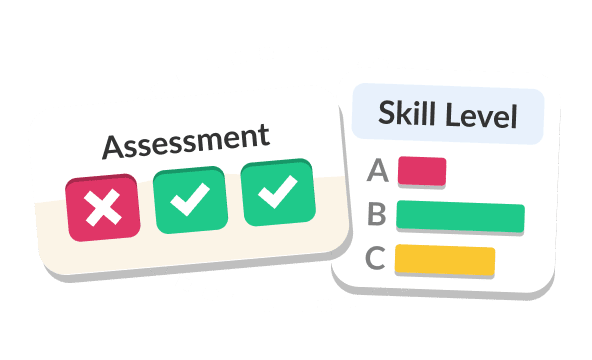
Finds the Gaps
Know what your child needs to practice.
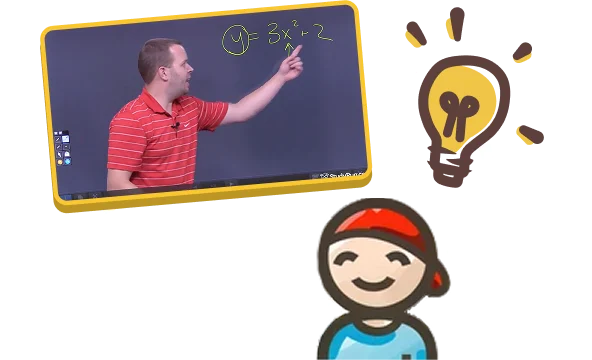
Step-by-Step Videos
Your child learns and solves problems alone.
Practice That Adapts
Your child grows more confident daily.
Try It Now
Test your knowledge
Our approach aligns with the evidence
Exam Scores
Better Recall
Less Anxiety
Kindergarten Science Topics
1. Scientific Inquiry
2. Basic Needs
3. Characteristics
5. Properties
6. Classification
7. Basic Forces
8. Simple Machines
9. Weather
10. Seasonal Changes
11. Sky Objects
12. Problem Solving
13. Stewardship
14 Chapters · 28 Topics · 26 Videos
Discover Our Learning Areas
Explore key subjects and start learning with interactive content.



What Is Kindergarten Science?
Kindergarten Science is your child's first formal introduction to understanding the world through observation, questions, and discovery. At this grade level, state science standards focus on three core areas: life science (living things such as animals and plants), earth science (weather, seasons, and basic landforms), and physical science (how objects move, and introductory concepts about light and sound). Kindergartners are natural scientists — they ask "why" and "how" constantly — and structured science learning helps channel that curiosity into foundational knowledge they will build on through every grade that follows.
What Does My Child Learn in Kindergarten Science?
In Kindergarten Science, children explore the five senses and how we use them to observe the world around us. They study the difference between living and non-living things, learn about common animals and plants, and discover how plants and animals meet their basic needs. Earth science topics at this level include identifying different types of weather, understanding how seasons change, and recognizing basic features of land and water. Physical science introduces simple ideas about pushes and pulls — how forces make objects move faster or slower, in different directions. Together, these topics lay the groundwork for every science course that follows, from Grade 1 through high school biology, chemistry, and physics.
Is Kindergarten Science Hard for Young Children?
Kindergarten Science is designed to be exploratory and hands-on, but that does not mean every child finds it easy. Some children struggle to connect classroom concepts to what they observe at home. Others have gaps in vocabulary — words like "habitat," "material," or "force" — that make it harder to follow along. The key is catching those gaps early. A diagnostic assessment takes just a few minutes and immediately reveals which Kindergarten Science concepts your child has a firm grip on and which ones need more practice. From there, adaptive practice focuses your child's time where it actually matters.
How Is Kindergarten Science Assessed?
At the kindergarten level, science assessment is typically observation-based and informal — teachers check for understanding through questions, activities, and short tasks rather than traditional tests. That said, state science standards do define clear learning expectations for this grade, and many schools report on science progress through report cards. StudyPug's diagnostic tools are built around those same state science standards, so when your child practices on StudyPug, they are working on exactly the skills and concepts their teacher is watching for — giving you confidence that home practice is directly supporting classroom performance.
What Comes After Kindergarten Science?
Strong Kindergarten Science foundations make Grade 1 Science much smoother. In first grade, children build directly on what they learned in kindergarten: life cycles of plants and animals, how habitats meet the needs of living things, and deeper exploration of pushes, pulls, light, and sound. Children who reach Grade 1 with a clear understanding of living versus non-living things, basic weather patterns, and how forces cause motion are ready to go further faster. That is why it pays to address any kindergarten science gaps now rather than letting them carry forward.
Why StudyPug for Kindergarten Science Help?
StudyPug is built around a simple idea: find the gap, fix the gap. The Kindergarten Science diagnostic assessment identifies exactly where your child is confused or missing knowledge. Then Step-by-Step Video Lessons taught by real, certified teachers explain each concept clearly — in plain language a five- or six-year-old can follow. Adaptive practice reinforces those concepts at your child's own pace, adjusting to what they know and what they still need to work on. Quiz replay means your child can retake any activity until they genuinely understand the material, not just guess through it. And the parent dashboard gives you a clear view of progress week over week — no science background required to read it.
StudyPug content is aligned to state science standards and backed by a 30-day money-back guarantee. Free practice content is available so you can see exactly how the platform works before subscribing. There is no free trial of the paid plan, but the money-back guarantee means you can get started with complete confidence.
What Kindergarten Science Topics Are Covered?
StudyPug's Kindergarten Science course covers all the major topic areas your child's teacher is working through this year:
- Five senses — sight, hearing, smell, taste, and touch; how we use our senses to observe
- Living and non-living things — characteristics of life, needs of living things
- Animals and plants — basic structures, what they need to grow, and where they live
- Weather and seasons — types of weather, seasonal changes, how weather affects daily life
- Earth's basic features — land, water, and simple landform recognition
- Pushes and pulls — how forces change the speed and direction of objects
- Light and sound basics — sources of light, how sound travels
All topics are fully aligned to state science standards. If you want to see how Kindergarten Science topics connect to your state's specific expectations, explore the Florida kindergarten science curriculum or the New York kindergarten science curriculum for detailed breakdowns.
How to Use StudyPug for Kindergarten Science
Getting started with StudyPug for Kindergarten Science takes just a few minutes. Here is the approach that works best for young learners at this grade level:
- Run the diagnostic assessment first. This short activity identifies your child's strengths and the science concepts that need the most attention. It shapes the practice path immediately.
- Watch the certified-teacher video lessons together. For kindergartners, watching alongside a parent and pausing to talk through what they see helps the concepts stick. Each video teaches the method step by step — not a rushed overview.
- Do a short adaptive practice session daily. Fifteen to twenty minutes is the sweet spot for kindergarten-age children. Consistency beats long infrequent sessions every time.
- Use quiz replay when something doesn't click. If your child gets a question wrong, quiz replay lets them try again with full explanation support — building real understanding, not memorization.
- Check the parent dashboard weekly. The dashboard shows completed sessions, quiz scores, and the specific Kindergarten Science topics that still need work. Use it to guide your next week's focus.
Science curiosity built in kindergarten pays dividends for years. Start with a diagnostic today and find out exactly where your child's science journey needs support — then let StudyPug's certified teachers and adaptive practice take it from there.
Kindergarten Science FAQ
Unsure how StudyPug works? Need help with setting up? Check our frequently asked questions or contact us for help.
How will Kindergarten Science help on StudyPug benefit my child?
Assessments find exactly where your child needs help in Kindergarten Science, then adaptive practice builds skills step by step — covering five senses, weather, animals, plants, and seasons. Certified-teacher video lessons explain each concept clearly, and your child can replay them as often as needed.
Does this match what my child is learning in school?
Yes. All Kindergarten Science content on StudyPug follows state science standards exactly. Whether your child's class is exploring living things, weather patterns, or basic physical science, the practice and video lessons align with what their teacher is covering — so there's no confusion between home and school.
What science topics are covered in Kindergarten?
StudyPug's Kindergarten Science covers the three core domains: life science (animals, plants, living vs. non-living), earth science (weather, seasons, landforms), and physical science (pushes and pulls, light and sound basics). All topics are at the right level for kindergartners and matched to state science standards.
How does the diagnostic assessment work for Kindergarten?
A short, age-appropriate assessment identifies your child's science strengths and the areas that need more practice. From there, StudyPug builds a targeted practice path so your child spends time on what actually matters — not topics they've already got covered.
How quickly will my child improve in Kindergarten Science?
Parents typically notice better science comprehension and classroom confidence within four to six weeks of regular, short sessions. Consistency matters most at this age — even 15 minutes daily makes a meaningful difference over a school term.
Is science hard for kindergartners, and how does StudyPug make it easier?
Kindergarten Science introduces big ideas — living things, weather, the senses — through observation and hands-on thinking. StudyPug breaks each concept into simple, visual steps with certified-teacher video lessons that explain the *why*, followed by adaptive practice that reinforces understanding at your child's pace.




Written by the StudyPug Team
Last updated June 5, 2026
3 M+
students
★★★★★
4.8 average
K–12
all grades