2nd Grade Science Help for Your Child
Assessments find your child's science gaps — then adaptive practice builds real understanding step by step.

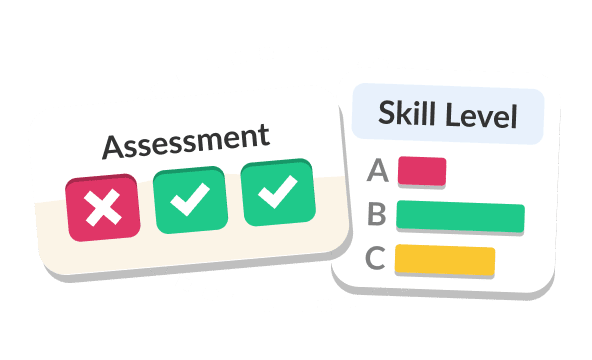
Find Your Weak Spots
See exactly what your child must practice.
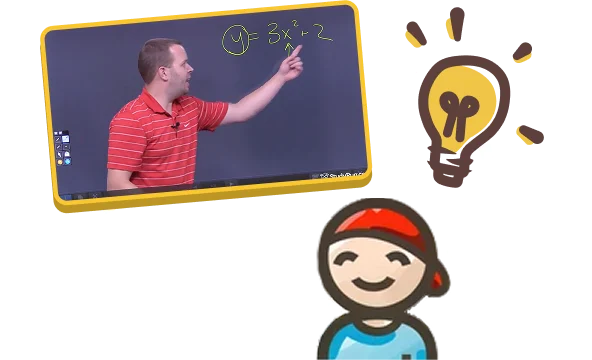
Step-by-Step Video Lessons
Your child learns and solves problems alone.
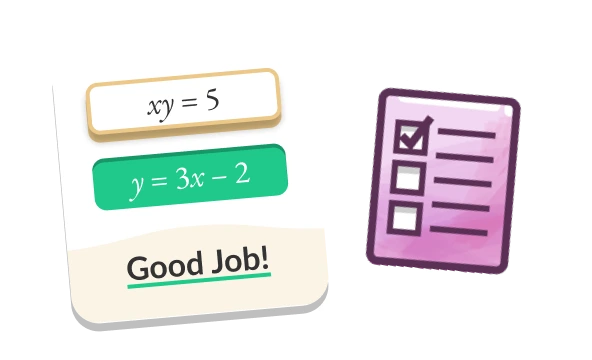
Adaptive Practice
Questions adapt so your child builds confidence.
Try It Now
Test your knowledge
Our approach aligns with the evidence
Exam Scores
Better Recall
Less Anxiety
2nd Grade Science Topics
1. Advanced Methods
2. Growth Patterns
3. Reproduction
4. Animal Diversity
5. Plant Diversity
6. States of Matter
7. Physical Changes
8. Types of Forces
9. Movement
10. Water Systems
11. Weather
12. Forms of Energy
13. Resource Use
14. Human Impact
15. Problem Solving
16. Traditional Knowledge
16 Chapters · 37 Topics · 23 Videos
Discover Our Learning Areas
Explore key subjects and start learning with interactive content.







What Is 2nd Grade Science?
2nd Grade Science introduces young learners to the world around them through three foundational areas: life science, earth science, and physical science. At this level, your child begins to explore how matter changes form, how landforms shape the Earth's surface, how plants grow through life cycles, and how animals adapt to survive in different environments. These concepts form the building blocks for every science course your child will take in the years ahead. Understanding 2nd Grade Science well means your child arrives in 3rd grade ready — not scrambling to catch up.
What Do Children Learn in 2nd Grade Science?
The core topics in 2nd Grade Science span all three major science disciplines. In physical science, children explore states of matter — learning that materials can be solid, liquid, or gas, and that matter changes between these states under different conditions. In earth science, students study landforms such as mountains, valleys, rivers, and plains, and begin to understand how water and weather shape the Earth's surface over time. In life science, the focus turns to plant growth — including what plants need to survive — and animal adaptations, where children discover why different animals have different features suited to their habitats. Together, these topics give 2nd graders a rich, age-appropriate picture of the natural world.
StudyPug's 2nd Grade Science content covers all of these areas in alignment with state science standards. You can explore curriculum details for your state, including the Florida grade 2 science curriculum and the New York grade 2 science curriculum.
Is 2nd Grade Science Hard for Young Learners?
Many parents are surprised by how conceptual 2nd Grade Science can be. Ideas like matter changing states or animals adapting to environments require children to think abstractly at an age when hands-on, concrete experiences are still the primary learning mode. For some children, the vocabulary alone — words like "landform," "adaptation," or "life cycle" — creates a barrier before they even get to the concept. This is completely normal. The challenge is not that the topics are too advanced; it is that children need repeated, low-pressure practice to internalize these ideas at a deep level rather than simply memorizing terms for a quiz. Regular, focused practice at home makes a significant difference.
How Is 2nd Grade Science Assessed?
In most US states, 2nd Grade Science is assessed through classroom-based activities, teacher observation, and short quizzes or tests aligned to state science standards. While large-scale standardized science testing typically begins in grade 4 or 5, teachers assess student understanding regularly throughout the year. Your child's performance on quizzes about topics like states of matter or animal adaptations contributes directly to their science grade and their readiness for 3rd grade science. Knowing what your child is expected to demonstrate at each point in the year helps you support them effectively at home.
What Comes After 2nd Grade Science?
3rd Grade Science builds directly on what your child learns this year. Students move from observing basic properties of matter to investigating forces, motion, and weather patterns in more depth. Life science expands from animal adaptations to full ecosystems and food webs. Earth science deepens from landforms to weather, climate, and natural resources. Children who arrive in 3rd grade with solid 2nd grade foundations — confident in matter, landforms, plant growth, and animal adaptations — are far better positioned to engage with the more complex ideas that come next. Gaps left unaddressed in 2nd grade tend to widen in 3rd and beyond.
Why StudyPug for 2nd Grade Science Help?
StudyPug gives parents a structured, reliable way to support 2nd Grade Science learning at home without needing to be a science expert yourself. The process starts with a diagnostic assessment that identifies exactly which topics your child understands well and which ones need more work — so practice is targeted, not random. Certified-teacher video lessons explain each concept clearly, teaching the method behind the science rather than just providing answers. Adaptive practice then adjusts to your child's level, presenting questions that are challenging enough to build understanding but not so difficult they become discouraging.
The 30-day money-back guarantee means you can get started with confidence. Free practice content is also available, so you can see how the approach works before committing to a subscription. StudyPug is used by thousands of families across the US, and all content is aligned to state science standards — so everything your child practices connects directly to what they are learning in their classroom.
What Your Child Will Learn and Practice on StudyPug
StudyPug's 2nd Grade Science content covers every core topic your child encounters this year:
- States of matter — solid, liquid, and gas; how matter changes between states
- Landforms — mountains, valleys, plains, rivers, and how Earth's surface is shaped
- Plant growth and life cycles — what plants need to survive and how they grow
- Animal adaptations — how animals' features help them survive in their environments
- Scientific observation skills — asking questions, making predictions, and recording findings
Each topic includes adaptive practice questions that respond to your child's answers, quiz replay so they can retake any assessment until the concept truly sticks, and step-by-step explanations that walk through the reasoning — not just the answer. Progress tracking in the parent dashboard shows you week-over-week improvement across all these areas, so you can see exactly where your child is growing and where a little extra focus might help.
How to Use StudyPug for 2nd Grade Science
Getting started is straightforward. After signing up, your child takes a short diagnostic assessment covering the main 2nd Grade Science topics. The results immediately populate a targeted practice path — no setup required on your part. From there, a consistent routine of 15–20 minutes per day is all it takes to build meaningful progress over time. Shorter, regular sessions work much better for 2nd graders than occasional long study marathons. As your child works through practice questions and replays quizzes on topics they found tricky, you can check the parent dashboard at any time to review scores, see completed sessions, and identify which topics are coming up next. StudyPug works alongside your child's school science program — reinforcing what they learn in class and filling in any gaps before they become bigger problems. Get started today and give your child the science foundation they need to feel confident, curious, and ready for what comes next.
2nd Grade Science FAQ
Unsure how StudyPug works? Need help with setting up? Check our frequently asked questions or contact us for help.
How will StudyPug help my child with 2nd Grade Science?
A quick diagnostic assessment identifies exactly where your child has gaps in 2nd Grade Science — whether that's states of matter, landforms, plant growth, or animal adaptations. From there, adaptive practice focuses on those specific areas and builds skills step by step. Parents see progress through detailed reports, so you always know how your child is improving.
Does this match what my child learns in 2nd Grade Science at school?
Yes! All content is aligned to state science standards for 2nd grade. Topics like states of matter, landforms, plant growth, and animal adaptations are covered in the same sequence your child encounters them in the classroom. There are no surprises or off-topic content — just focused practice that supports exactly what they're already learning.
What 2nd Grade Science topics are covered?
StudyPug covers all core 2nd Grade Science topics, including states of matter (solid, liquid, gas), landforms and Earth's surface, plant growth and life cycles, and animal adaptations. Life science, earth science, and physical science foundations are all included, giving your child a complete picture of their grade-level curriculum.
Is 2nd Grade Science hard? How can I help my child keep up?
Second grade science introduces concepts like matter, landforms, and how living things adapt — which can feel abstract for young learners. The key is regular, short practice sessions that reinforce what they hear in class. StudyPug's adaptive practice adjusts to your child's current level, so they're always challenged just enough to grow without feeling overwhelmed.
How does the diagnostic assessment work?
The diagnostic is a short, focused activity that identifies your child's science strengths and the areas that need more work. It takes just a few minutes, and the results immediately shape a targeted practice path — so your child spends time on what matters most, not topics they've already got. You'll see the results in the parent dashboard right away.
How quickly will my child improve in 2nd Grade Science?
Parents typically notice better science comprehension and more confidence in the classroom within 4–6 weeks of consistent daily practice. Short sessions of 15–20 minutes work well for younger students. Consistency matters more than duration — a little practice every day builds stronger foundations than occasional long sessions.





Written by the StudyPug Team
Last updated June 5, 2026
3 M+
students
★★★★★
4.8 average
K–12
all grades