Kindergarten Science Help
Adaptive practice and assessments that build your child's science curiosity from day one.

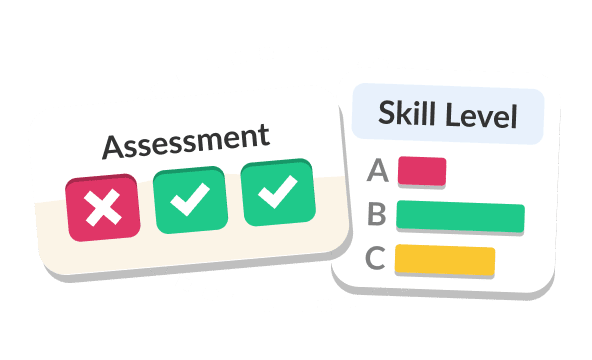
Finds the Gaps
See what your child needs next.
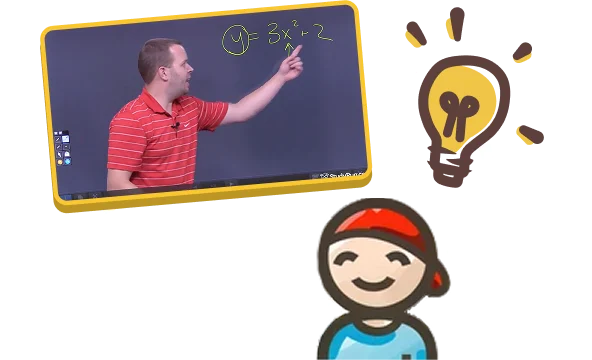
Step-by-Step Videos
Child learns concepts and solves problems alone.
Practice That Adapts
Every question meets your child there.
Try It Now
Test your knowledge
Our approach aligns with the evidence
Exam Scores
Better Recall
Less Anxiety
Kindergarten Science Topics
1. Scientific Inquiry
2. Basic Needs
3. Characteristics
5. Properties
6. Classification
7. Basic Forces
8. Simple Machines
9. Weather
10. Seasonal Changes
11. Sky Objects
12. Problem Solving
13. Stewardship
14 Chapters · 28 Topics · 26 Videos
Discover Our Learning Areas
Explore key subjects and start learning with interactive content.



What Is Kindergarten Science?
Kindergarten Science is a child's first structured introduction to understanding the natural world. At this stage, learning is built around observation, curiosity, and exploration. Children begin to notice patterns in nature — why leaves change colour, how animals move, what makes something feel rough or smooth. These early experiences lay the groundwork for every science concept that follows in school. In Canadian kindergarten classrooms, provincial science curriculum guidelines direct learning across four core areas: living things, seasons, everyday materials, and the senses. Each area encourages children to look, touch, listen, and ask questions — the core habits of a young scientist.
What Do Children Learn in Kindergarten Science?
The provincial science curriculum for kindergarten is designed to meet young learners where they are. Children are not expected to memorise facts — they are expected to notice, describe, and wonder. Here is a closer look at the four main areas your child explores:
Living things: Children learn to identify plants and animals, observe how they grow, and understand basic needs like water, sunlight, and food. They begin to sort living and non-living things and describe simple characteristics of familiar organisms.
Seasons: Kindergarten students observe how the world changes across the four seasons. They connect seasonal changes to weather, animal behaviour, and what people wear or do outdoors. This helps children develop early earth science awareness.
Everyday materials: Children explore the properties of common materials — hard, soft, smooth, rough, flexible, rigid. They learn that different materials are used for different purposes, which introduces early physical science thinking.
Senses: Children use their five senses to explore and describe the world around them. This strand builds observation skills that underpin all future scientific inquiry.
Together, these strands give young learners a rich, well-rounded science foundation that prepares them for Grade 1 and beyond.
Is Kindergarten Science Difficult?
Kindergarten Science is not academically demanding in the traditional sense — there are no complex formulas or abstract concepts. However, some children do find it challenging to connect new vocabulary to everyday experiences, or to stay engaged with structured activities at home. The most common difficulty parents report is not the content itself but maintaining consistency: young children need short, focused sessions rather than long study periods. StudyPug's adaptive practice is built around exactly this reality — 15-minute sessions that hold attention and build understanding incrementally, every day.
How Is Kindergarten Science Assessed in Canada?
In Canadian kindergarten classrooms, science is assessed through observation and participation rather than written tests. Teachers watch how children describe what they see, how they sort objects, and how they talk about living things, seasons, and materials during class activities. There is no high-stakes exam at this level. Instead, teachers look for developing vocabulary, growing curiosity, and the ability to make simple observations and predictions. StudyPug's diagnostic activities mirror this approach — they identify where your child's understanding is strong and where concepts need more reinforcement, giving you the same kind of insight a teacher builds up through daily classroom observation.
What Comes After Kindergarten Science?
After Kindergarten Science, children move into Grade 1 Science, where the provincial curriculum introduces the needs of living things in greater depth, explores properties of materials and structures, and begins looking at energy in daily life. The observational skills, scientific vocabulary, and curiosity built in kindergarten are directly carried forward. Children who have a strong kindergarten science foundation find Grade 1 Science more accessible, because the new concepts build on what they already understand. StudyPug helps you ensure your child arrives at Grade 1 Science ready and confident.
Why StudyPug for Kindergarten Science?
StudyPug is trusted by thousands of Canadian families because it removes the guesswork from learning support. Instead of sitting your child in front of random activities and hoping something sticks, StudyPug starts with a diagnostic assessment that identifies exactly what your child knows and what needs more work. From there, adaptive practice builds skills in the specific areas where your child needs support — not across topics they have already grasped.
The content is fully aligned to the provincial science curriculum, which means everything your child practises on StudyPug mirrors what their teacher is covering in class. There is no risk of confusion from off-curriculum material. The parent dashboard gives you clear, real-time visibility into progress — you can see completed activities, quiz scores, and areas flagged for further practice after every session.
StudyPug also features certified-teacher video lessons that explain concepts the way a real classroom teacher would — focusing on the method and the ideas behind each topic, not just drilling answers. For kindergarten science, these short explanations help children build understanding, not just familiarity. And because learning at age five requires patience and repetition, the quiz replay feature lets your child revisit any activity until the concept is genuinely understood.
There is no free trial, but there is free practice content you can explore right away. If you subscribe and are not completely satisfied, StudyPug's 30-day money-back guarantee means there is no risk in trying.
What Your Child Will Learn: Kindergarten Science Topics
StudyPug's Kindergarten Science content covers all core areas of the provincial science curriculum. Your child will practise identifying and describing living things — distinguishing plants from animals, naming basic body parts, and recognising what living things need to survive. They will explore seasonal changes, connecting what they observe outside to the science concepts introduced in class. They will investigate everyday materials, learning to describe properties like texture, hardness, and flexibility through guided activities. And they will develop their senses-based observation skills — a foundational habit that supports every other area of science learning.
For families in Ontario, the content aligns directly to the ontario kindergarten science curriculum. Families in British Columbia can explore alignment with the british columbia kindergarten science curriculum. These resources ensure you can see exactly how StudyPug maps to what your child's school expects.
How to Use StudyPug for Kindergarten Science
Getting started with StudyPug is straightforward. After signing up, your child completes a short diagnostic assessment that maps their current understanding across Kindergarten Science topics. StudyPug then builds a personalised practice path — prioritising the areas where your child needs the most support and progressing at a pace that keeps them challenged without feeling overwhelmed.
For best results, aim for 15 minutes of practice each day. At the kindergarten level, consistency matters far more than session length. Short daily practice builds stronger, more durable understanding than occasional longer sessions. You can check the parent dashboard at any time to review what your child has completed, see how they performed, and identify which topics need more attention.
If your child finds a concept tricky, they can watch a certified-teacher video lesson that explains the idea clearly, then retry the activity. The quiz replay feature means your child is never stuck — they can revisit any topic as many times as needed until understanding is firm. As a parent, you stay fully informed throughout, with progress reports that translate directly into conversations you can have with your child's teacher at school.
StudyPug is designed to be a complement to classroom learning, not a replacement for it. The goal is to make sure your child arrives at school each day with the understanding and confidence to participate fully in their Kindergarten Science lessons — curious, capable, and ready to explore.
Kindergarten Science FAQ
Unsure how StudyPug works? Need help with setting up? Check our frequently asked questions or contact us for help.
What science topics does Kindergarten Science cover?
Kindergarten Science covers living things, seasons, everyday materials, and the senses. These foundational topics help children observe and explore the natural world around them, building the scientific thinking skills they will use throughout their school years. All content follows the provincial science curriculum for kindergarten.
Is Kindergarten Science hard for young children?
Kindergarten Science is designed to be exploratory and hands-on, but some children need extra support connecting new ideas. That is completely normal at this age. StudyPug's adaptive practice meets your child at their level, breaking each concept into small, manageable steps so nothing feels overwhelming. Consistent short sessions — just 15 minutes a day — make a real difference.
What comes after Kindergarten Science?
After Kindergarten Science, children move into Grade 1 Science, where they explore the needs of living things, properties of materials and structures, and energy in daily life. The foundations built in kindergarten — observing, sorting, asking questions — directly support success in Grade 1 and beyond. StudyPug helps ensure those foundations are solid before your child moves up.
How is Kindergarten Science assessed in Canada?
Kindergarten Science is assessed through observation-based activities, class participation, and simple demonstrations rather than formal tests. Teachers evaluate how well children can describe what they observe, sort objects, and talk about living things and seasons. StudyPug's diagnostic activities mirror this approach, helping your child build the vocabulary and observation skills teachers look for.
How will StudyPug help my child with Kindergarten Science?
StudyPug starts with a quick diagnostic assessment to find exactly where your child needs support, then delivers adaptive practice that builds Kindergarten Science skills step by step. The parent dashboard keeps you informed of progress across living things, seasons, materials, and senses — so you always know what your child is learning and where more practice is needed.
Does the content match what my child learns in school?
Yes. Kindergarten Science content on StudyPug is aligned to the provincial science curriculum, covering the same topics your child's teacher introduces in class. Whether your child is in Ontario or British Columbia, the content maps directly to what they are expected to learn, so practice at home reinforces rather than confuses school learning.




Written by the StudyPug Team
Last updated June 5, 2026
3 M+
students
★★★★★
4.8 average
K–12
all grades