Grade 2 Science Help for Your Child
Targeted practice that matches the provincial science curriculum — so your child builds real understanding, topic by topic.
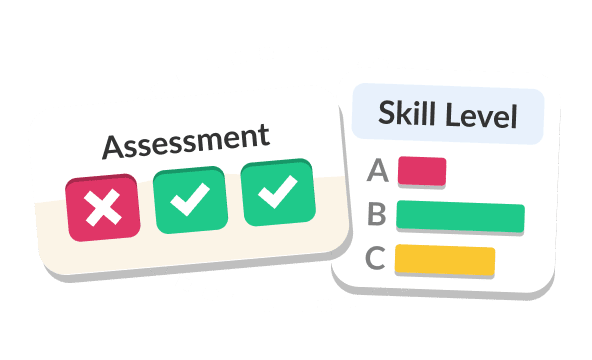
Diagnostic Finds Gaps
Know exactly where your child needs help.
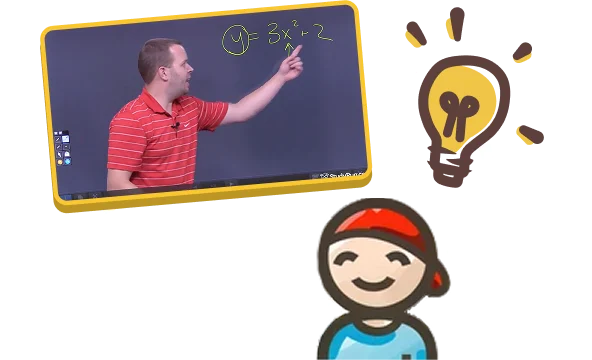
Step-by-Step Video Lessons
Your child learns the method and solves alone.
Grows With Them
Harder questions come when child is ready.
Try It Now
Test your knowledge
Our approach aligns with the evidence
Exam Scores
Better Recall
Less Anxiety
Grade 2 Science Topics
1. Advanced Methods
2. Growth Patterns
3. Reproduction
4. Animal Diversity
5. Plant Diversity
6. States of Matter
7. Physical Changes
8. Types of Forces
9. Movement
10. Water Systems
11. Weather
12. Forms of Energy
13. Resource Use
14. Human Impact
15. Problem Solving
16. Traditional Knowledge
16 Chapters · 37 Topics · 23 Videos
Discover Our Learning Areas
Explore key subjects and start learning with interactive content.

What Is Grade 2 Science?
Grade 2 Science is the stage where children move from simple observation into structured scientific thinking. At this level, your child begins to ask why and how — not just what. The provincial science curriculum for Grade 2 organizes learning into three interconnected strands: life science, physical science, and earth and space science. Each strand builds on discoveries your child made in Kindergarten and Grade 1, and together they prepare the foundation for more complex science in Grades 3 and beyond.
Life science in Grade 2 focuses on growth and changes in animals — your child will explore how different animals grow, what they need to survive, and how their physical features help them thrive in their environments. Physical science covers the properties of liquids and solids, introducing the idea that materials can be compared, sorted, and tested. The movement strand explores how things move and what causes them to change direction or speed. These aren't abstract ideas — they connect directly to the natural world your child sees every day.
Is Grade 2 Science Difficult?
For many children, Grade 2 is the first year science feels like a real subject — with vocabulary to learn, observations to record, and questions to investigate. Some children take to it naturally; others find the jump from free exploration to structured inquiry challenging. Common sticking points include remembering the differences between types of animals (vertebrates vs. invertebrates), understanding why materials have different properties, and grasping why objects move differently depending on force.
The good news is that these challenges are very predictable. StudyPug's diagnostic assessment identifies exactly which concepts are causing difficulty for your child — not a generic Grade 2 student. That means practice time is spent on what actually needs work, not topics your child already understands. Parents consistently report that targeted, short daily sessions clear up Grade 2 Science confusion faster than homework help alone.
What Comes After Grade 2 Science?
Grade 3 Science builds directly on Grade 2 foundations. Children move from studying animals to studying plants in depth, from basic properties of matter to understanding soils and their role in ecosystems, and from simple movement observations to exploring forces and structures. If your child has a solid understanding of animal growth, material properties, and movement from Grade 2, the Grade 3 curriculum will feel like a natural next step rather than a sudden leap.
Gaps left unaddressed in Grade 2 — especially around life cycles, material properties, or cause-and-effect thinking in physical science — tend to resurface in Grade 3 and beyond. Building a strong Grade 2 foundation now protects your child from compounding confusion later.
How Is Science Assessed in Grade 2?
In most Canadian provinces, Grade 2 Science is assessed through a combination of classroom observations, hands-on investigations, and unit tests or quizzes. Teachers evaluate both scientific knowledge (vocabulary, concepts) and process skills (asking questions, making observations, recording findings). The provincial science curriculum guides what students are expected to know by the end of each unit.
StudyPug's practice is designed to reflect the style and content of these classroom assessments. The quiz replay feature is particularly useful here — your child can retake topic quizzes until they feel genuinely confident, not just familiar. That kind of repeated, low-stakes practice is one of the most effective ways to prepare for school-based assessments at this age.
Why StudyPug for Grade 2 Science?
StudyPug is built around one core idea: practice should be targeted, not random. Every session starts from what your child knows — and works from there. Here's what sets StudyPug apart for Grade 2 Science families:
- Certified-teacher video lessons explain every Grade 2 Science concept using real teachers — the method, step by step, in plain language that 7- and 8-year-olds can follow.
- Diagnostic assessment maps your child's understanding at the start and after every topic, so you always know exactly where they stand.
- Adaptive practice adjusts difficulty based on how your child is performing — never too easy, never overwhelming.
- Quiz replay lets your child revisit any quiz until the concept truly clicks. Real understanding, not guessing.
- Parent progress dashboard gives you a clear, jargon-free view of completed topics, quiz scores, and areas that need more practice.
- Provincial curriculum alignment means every topic matches what your child's teacher is covering in class — no wasted time on out-of-scope material.
- 30-day money-back guarantee means you can get started with complete confidence. If it's not the right fit, you get your money back.
Free practice content is also available, so you can explore the platform before committing to a subscription.
What Your Child Will Learn in Grade 2 Science
The Grade 2 Science curriculum covers three core strands, each with hands-on, inquiry-based content:
Growth and Changes in Animals
Children explore how animals grow from birth to adulthood, comparing life cycles across different species. They learn about what animals need to survive — food, water, shelter, and air — and how physical features like claws, wings, or thick fur help animals live in their environments. This strand connects directly to concepts of biodiversity and ecosystems that become central in later grades.
Properties of Liquids and Solids
Children investigate how materials can be sorted and compared using observable properties — colour, texture, hardness, and the ability to absorb water. They explore what happens when liquids and solids are combined, and begin to understand that materials can be changed but still retain some of their original properties. This is the foundation for later chemistry and materials science.
Movement
Children investigate how objects move — in a straight line, in a curve, or in a zigzag — and what forces cause objects to change their motion. They explore how the shape of an object and the surface it moves on affect its movement. This strand builds the physical science intuition that supports forces, energy, and motion concepts in Grades 4 and beyond.
For families in Ontario, you can explore the full scope of topics in the ontario grade 2 science curriculum. Families in British Columbia can review the british columbia grade 2 science curriculum to see exactly how topics are sequenced in your province.
Using StudyPug for Grade 2 Science
Getting started with StudyPug takes just a few minutes. Here's how most Grade 2 Science families use the platform:
- Start with the diagnostic. The short assessment identifies your child's current understanding across all Grade 2 Science topics. You'll see results in the parent dashboard immediately.
- Watch a lesson together. For younger children, sitting with your child for the first few certified-teacher video lessons helps build the routine and gives you a feel for how the content is taught.
- Practice in short daily sessions. Fifteen to twenty minutes a day works best for Grade 2 students. Consistency builds stronger foundations than occasional long sessions.
- Use quiz replay. When your child gets a question wrong, encourage them to replay the quiz after reviewing the lesson — not to get a better score, but to build genuine understanding.
- Check the dashboard weekly. The parent dashboard shows you completed topics, quiz performance, and areas still needing work. Use it to guide conversations with your child and, when helpful, with their teacher.
Grade 2 Science lays the groundwork for everything that follows in elementary science. Building strong habits and genuine understanding now — through targeted, curriculum-aligned practice — gives your child the confidence to keep asking great questions all the way through school. Get started today and see the difference focused science practice makes.
Grade 2 Science FAQ
Unsure how StudyPug works? Need help with setting up? Check our frequently asked questions or contact us for help.
How will StudyPug help my child with Grade 2 Science?
StudyPug starts with a diagnostic assessment that identifies exactly where your child has gaps in Grade 2 Science. From there, adaptive practice builds understanding step by step — covering growth and changes in animals, properties of solids and liquids, and movement. Parents see clear progress reports so you always know how your child is doing.
Does this match what my child learns in school?
Yes! StudyPug's Grade 2 Science content follows the provincial science curriculum, so it matches what your child is learning in the classroom. Whether your family is in Ontario, British Columbia, or another province, the topics align with what their teacher is covering — no confusing detours into unrelated material.
What science topics are covered in Grade 2?
Grade 2 Science covers three main areas: life science (growth and changes in animals), physical science (properties of liquids and solids, and movement), and earth science foundations. All topics are organized to match the provincial science curriculum, so your child gets complete, grade-appropriate coverage from one place.
Is Grade 2 Science hard for most children?
Grade 2 Science introduces more structured scientific thinking than earlier grades — children move from pure observation to asking 'why' and 'how' questions about the natural world. Some children find the shift to comparing properties or understanding animal life cycles tricky. StudyPug's diagnostic assessment quickly spots those trouble spots and builds targeted practice around them.
How does the diagnostic assessment work?
When your child starts, a short assessment checks their understanding across key Grade 2 Science topics. It identifies both strengths and gaps, then creates a focused practice path. There's no lengthy setup — the assessment is quick and designed to be engaging for young learners. You'll see the results in your parent dashboard right away.
How quickly will my child improve?
Parents typically notice improved science comprehension and classroom confidence within four to six weeks of regular practice. Consistency matters most at this age — 15 to 20 minutes a day tends to produce stronger results than occasional longer sessions. The adaptive practice keeps difficulty just right, so your child stays engaged without feeling overwhelmed.



Written by the StudyPug Team
Last updated June 5, 2026
3 M+
students
★★★★★
4.8 average
K–12
all grades