Grade 1 Science Help for Your Child
Assessments find your child's science gaps and adaptive practice builds real understanding.
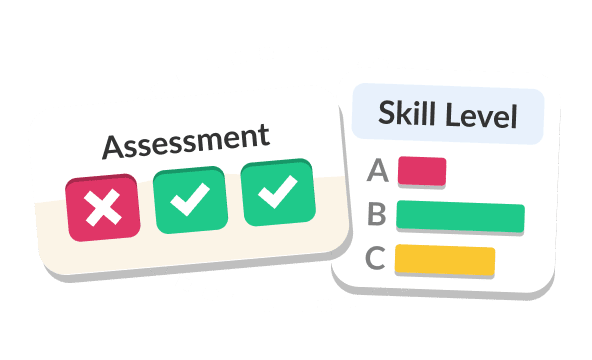
Find Your Weak Spots
See exactly where your child needs help.
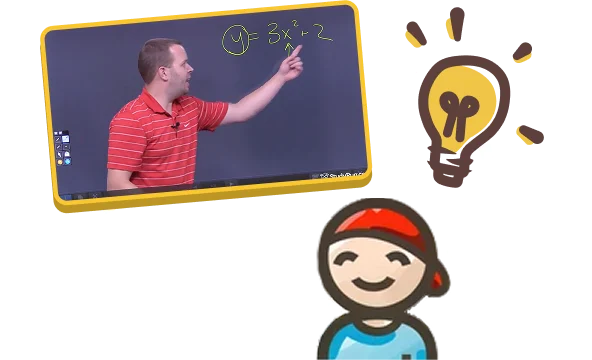
Step-by-Step Videos
Child follows and reuses lessons alone.
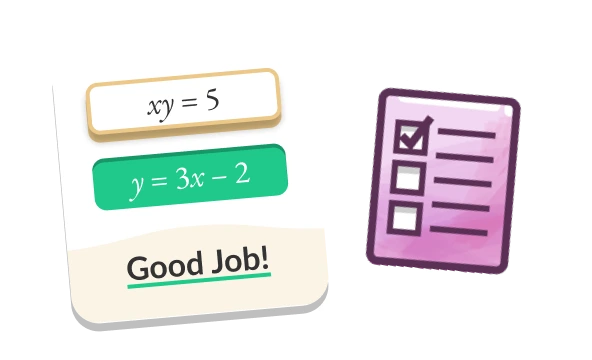
Grows With Them
Questions grow with your child steadily.
Try It Now
Test your knowledge
Our approach aligns with the evidence
Exam Scores
Better Recall
Less Anxiety
Grade 1 Science Topics
1. STEM Skills
2. Engineering Design
3. Classification
4. Survival Needs
5. Life Cycles
6. Plants
7. Animals
8. Properties
9. Changes
10. Motion
11. Light and Sound
13. Weather
14. Natural Resources
15. Local Ecosystems
16. Tools
17 Chapters · 36 Topics · 33 Videos
Discover Our Learning Areas
Explore key subjects and start learning with interactive content.

What Is Grade 1 Science?
Grade 1 Science is your child's first structured introduction to exploring the world through observation, questioning, and simple investigation. Guided by the provincial science curriculum, Grade 1 students discover how living things survive, how materials behave, and where energy shows up in everyday life. These three pillars — needs of living things, materials and structures, and energy in daily life — give young learners the vocabulary and thinking skills they will build on throughout their entire science education.
At this age, science learning is deeply hands-on. Children sort objects, observe plants and animals, and notice how light, sound, and movement work around them. The goal is not memorisation — it is curiosity and the habit of asking good questions. When children build these foundations confidently in Grade 1, the more complex science topics in later grades feel natural rather than intimidating.
What Do Children Learn in Grade 1 Science?
Grade 1 Science is organised around three main areas of study that connect directly to the provincial science curriculum expectations.
Needs of Living Things — Children learn what plants and animals (including humans) need in order to survive: water, food, air, light, and shelter. They compare different living things and begin to understand habitats. This strand develops observation skills and introduces the idea that all living things share fundamental requirements, even if they meet them in very different ways.
Materials and Structures — Students explore the properties of everyday materials — hardness, texture, flexibility, and strength. They investigate why certain materials are chosen for specific purposes (why a window is glass rather than wood, for example) and begin simple problem-solving around building and design. This strand lays the groundwork for physics and engineering thinking in later grades.
Energy in Daily Life — Grade 1 introduces the idea that energy takes many forms: light, sound, heat, and movement. Children investigate sources of light and sound in their environment and begin to connect energy to the activities of daily life. This strand prepares them for deeper study of energy transfer, waves, and forces in Grades 3 through 8.
Is Grade 1 Science Difficult?
Most Grade 1 children find science genuinely exciting — it is one of the subjects that naturally sparks curiosity. That said, some children need extra support with the vocabulary and conceptual language that science introduces. Words like "habitat," "property," "material," and "energy source" are new, and understanding them precisely matters for building strong foundations.
The most common challenge parents notice is that their child understands an idea during a classroom activity but cannot recall or explain it later at home. This is where structured practice makes a real difference. When children revisit concepts through adaptive activities that adjust to their responses, understanding becomes much more durable. StudyPug's diagnostic assessment identifies the specific concepts that have not yet settled, so practice is focused rather than scattered.
How Is Science Assessed in Grade 1?
In Grade 1, science is not typically assessed through written tests. Instead, provincial curriculum expectations are evaluated through classroom observations, teacher-led discussions, hands-on activities, and simple science journals. Teachers look for evidence that children can describe what they observe, use basic science vocabulary, and make simple connections between concepts.
Because assessment is ongoing and observational at this level, parents often find it harder to gauge exactly where their child stands. A child who participates confidently in classroom discussions may still have gaps in their understanding that only appear when they work independently. StudyPug's diagnostic assessment gives parents a clear picture of which Grade 1 science concepts their child has grasped and which ones need more reinforcement — without waiting for a formal report card.
Why StudyPug for Grade 1 Science Help?
StudyPug is built around one straightforward goal: making sure your child truly understands, not just completes. Here is what that looks like in practice for Grade 1 Science.
Certified-teacher video lessons explain each concept clearly — a real teacher walks through needs of living things, material properties, and energy in daily life step by step. Your child can watch, pause, and rewatch until the idea clicks, making independent learning genuinely accessible for six- and seven-year-olds.
Diagnostic assessment takes around 10–15 minutes and immediately identifies where your child's understanding is solid and where gaps exist. Rather than working through everything from the beginning, your child gets a targeted practice path that focuses time where it matters most.
Adaptive practice adjusts to your child's responses in real time. If a concept is clicking, practice moves forward. If it is not, the activities provide more support before progressing. This prevents the frustrating cycle of practising things your child already knows while leaving real gaps unaddressed.
Quiz replay lets your child retake any activity until they demonstrate real understanding — not just a lucky guess. This builds genuine confidence heading into Grade 2.
Parent progress tracking gives you a clear dashboard view of completed sessions, quiz results, and topics that still need attention. You can check in after school, share progress with your child's teacher, and know exactly how Grade 1 Science foundations are developing week by week.
StudyPug also offers free practice content so your family can see how the approach works before committing. If you subscribe and find it is not the right fit, the 30-day money-back guarantee means there is no financial risk to trying it.
What Grade 1 Science Topics Does StudyPug Cover?
StudyPug's Grade 1 Science content is built directly from the provincial science curriculum. Topics include all three curriculum strands: needs of living things (plants, animals, habitats, survival needs), materials and structures (properties of solids, choosing materials, simple design challenges), and energy in daily life (sources of light and sound, types of movement, heat in the environment).
Every topic is broken into focused practice activities with clear concept explanations, so your child never encounters a question without the background they need to answer it. For families in Ontario and British Columbia, you can explore the full scope of curriculum expectations aligned to your province directly:
If your child's province is not listed above, StudyPug's Grade 1 Science content is still closely aligned to common provincial expectations across Canada, covering the same core concepts in all three strands.
How to Use StudyPug for Grade 1 Science
Getting started takes only a few minutes. Once your child completes the short diagnostic assessment, StudyPug creates a personalised practice path. For Grade 1 learners, we recommend 15–20 minutes of daily practice — short, consistent sessions are far more effective than occasional long study blocks at this age.
A typical session might look like this: your child watches a brief certified-teacher video lesson explaining a concept, works through a set of adaptive practice activities, and then replays the quiz if needed until they feel confident. You check the parent dashboard that evening to see what was covered and whether any topics flagged for more practice.
Science confidence at Grade 1 builds quickly when gaps are addressed early. The foundations your child builds now — understanding what living things need, recognising material properties, and connecting energy to daily experience — are the exact concepts that Grade 2, 3, and 4 science will assume they know. Starting Grade 1 Science practice with a clear picture of where your child stands is the most efficient way to make sure those foundations are solid. Get started today and help your child discover that science is one of the most interesting things they will ever study.
Grade 1 Science FAQ
Unsure how StudyPug works? Need help with setting up? Check our frequently asked questions or contact us for help.
What science topics are covered in Grade 1 Science?
Grade 1 Science covers three core areas: needs of living things (what plants and animals need to survive), materials and structures (properties of everyday materials), and energy in daily life (light, sound, and movement). Content is fully aligned to the provincial science curriculum so your child practices exactly what their teacher covers in class.
Is Grade 1 Science hard for young learners?
Grade 1 Science introduces big ideas through hands-on observation and simple inquiry. Most children find it engaging, but concepts like classifying materials or understanding how living things meet their needs can be tricky. StudyPug's adaptive practice breaks each idea into small, manageable steps so your child builds confidence rather than feeling overwhelmed.
What comes after Grade 1 Science?
Grade 2 Science builds directly on Grade 1 foundations, introducing growth and changes in animals, properties of liquids and solids, and movement. Strong Grade 1 understanding of living things and materials makes Grade 2 content much easier. StudyPug's progress tracking helps you see when your child is ready to move forward with confidence.
How is science assessed at the Grade 1 level?
In Grade 1, science is typically assessed through observation activities, simple experiments, and teacher-led discussions rather than formal written tests. Provincial curriculum expectations focus on inquiry skills and conceptual understanding. StudyPug's diagnostic assessments mirror this approach — identifying what your child understands and where they need more practice before gaps grow.
How will StudyPug help my child with Grade 1 Science?
StudyPug starts with a quick diagnostic assessment to find exactly where your child needs support in Grade 1 Science. Adaptive practice then builds skills step by step — reinforcing concepts like needs of living things and properties of materials at the right pace for your child. The parent dashboard lets you see progress clearly every week.
Does this match what my child learns in school?
Yes. StudyPug's Grade 1 Science content follows the provincial science curriculum exactly. Whether your child is in Ontario, British Columbia, or another province, the topics, vocabulary, and learning expectations match what their teacher is covering in class. There is no wasted time on out-of-scope content.



Written by the StudyPug Team
Last updated June 5, 2026
3 M+
students
★★★★★
4.8 average
K–12
all grades