6th Grade Science Help for Your Child
Diagnostic assessments find gaps in cells, energy transfer, and earth science — then adaptive practice builds real understanding.

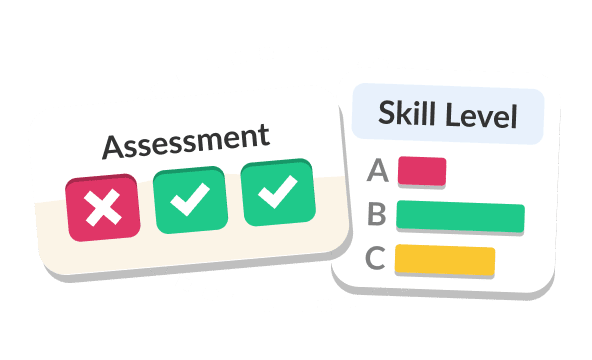
Diagnostic Finds Gaps
Know exactly what your child needs.
Step-by-Step Video Lessons
Child learns the method not the answer.

Matches School Work
Matches your child's school standards.
Try It Now
Test your knowledge
Our approach aligns with the evidence
Exam Scores
Better Recall
Less Anxiety
6th Grade Science Topics
1. Advanced Research
2. Classification
3. Evolution
4. Cell Theory
7. Particle Theory
8. Energy Transfer
9. Flight
10. Space
11. Circuits
12. Applications
13. Geology
17. Ecosystems
18. Human Impact
19. Advanced Process
20. Traditional Knowledge
20 Chapters · 42 Topics · 35 Videos
Discover Our Learning Areas
Explore key subjects and start learning with interactive content.











What Is 6th Grade Science?
6th Grade Science marks the transition from elementary exploration to structured, disciplined scientific thinking. At this level, your child begins studying the building blocks of life, the movement of energy, the forces shaping Earth's surface, and the history written in rock and fossil records. The content spans three major domains — life science, physical science, and earth science — all taught through the lens of state science standards. For many students, 6th grade science is the year the subject becomes genuinely exciting, but also the year where gaps in foundational understanding start to show up in test scores and homework struggles.
What Does My Child Learn in 6th Grade Science?
The core topics in 6th Grade Science cover four key areas. In life science, students explore cells — the basic unit of life — learning about cell structure, cell functions, and how cells form tissues and organisms. In physical science, the focus shifts to energy transfer: how heat, light, and sound energy move between objects and systems. Earth science introduces weather systems and climate, examining how the atmosphere behaves and why weather patterns form the way they do. Earth's history rounds out the curriculum, with students examining rock layers, fossils, and geologic time to understand how Earth has changed over billions of years. Scientific inquiry skills — forming hypotheses, designing experiments, interpreting data — run through every unit.
Is 6th Grade Science Hard?
For many children, 6th grade science represents the first time the subject feels genuinely demanding. The jump from elementary-level observation activities to understanding systems and processes is real. Topics like energy transfer and cell biology require students to hold multiple concepts in mind simultaneously and apply them in new contexts. Students who struggled to build strong foundational habits in earlier grades often find 6th grade science the point where those gaps become visible. The good news is that targeted, consistent practice makes an enormous difference. When your child works on exactly the concepts they find difficult — rather than reviewing everything from scratch — understanding builds much more efficiently.
How Is 6th Grade Science Assessed?
Across the US, 6th grade science is assessed against state science standards. Most states include science in their standardized testing programs at the middle school level, often assessing life science, physical science, and earth science in an integrated format. Classroom assessments typically include unit tests, lab reports, and project-based work. Students are expected to demonstrate not just factual recall but the ability to apply scientific thinking — analyzing data, drawing conclusions, and explaining phenomena. Building strong practice habits around each unit's core concepts is the most reliable way to prepare your child for both classroom and standardized assessments.
What Comes After 6th Grade Science?
The foundations your child builds in 6th grade science carry directly into 7th grade, where the curriculum expands into human body systems, chemical reactions, ecology, and an introduction to genetics. Students who arrive in 7th grade with a clear understanding of cells, energy transfer, and earth systems find the new content far more accessible. Gaps left unaddressed in 6th grade — particularly in cell biology and energy concepts — tend to compound in later years. Helping your child consolidate their 6th grade understanding now protects their confidence and performance through middle school and into high school science.
Why StudyPug for 6th Grade Science?
StudyPug is built around one core idea: your child should practice what they actually need to work on, not what they already know. The diagnostic assessment pinpoints gaps across all 6th grade science topics — cells, energy transfer, weather systems, Earth's history — within a single focused session. From there, adaptive practice serves content at the right level of challenge, keeping your child engaged without overwhelming them. Certified-teacher video lessons explain concepts the way a skilled classroom teacher would, walking through the method clearly rather than just presenting answers. Quiz Replay lets your child retake any quiz as many times as needed, building the kind of confident, accurate recall that holds up on tests. Every session is tracked in the parent dashboard so you can see exactly what's been practiced, where scores are improving, and which topics still need attention. Content is fully aligned to state science standards, so your child's practice mirrors what their teacher is covering in class. StudyPug also offers free practice content so families can explore the approach before committing, and a 30-day money-back guarantee on the full subscription.
What Your Child Will Learn and Practice
StudyPug's 6th Grade Science coverage includes all the topics your child encounters in school. Life science practice covers cell structure, cell functions, and the relationship between cells, tissues, and organisms. Physical science practice addresses energy transfer — thermal energy, light, and sound — and how energy moves through and between systems. Earth science practice covers weather systems, climate patterns, Earth's layers, rock formations, and geologic history. Scientific inquiry practice builds the skills students need to interpret graphs, evaluate evidence, and communicate conclusions clearly.
For families in Florida, you can explore how these topics align to your state's requirements on the Florida grade 6 science curriculum page. For families in New York, the New York grade 6 science curriculum page outlines exactly what students are expected to learn at this level.
How to Use StudyPug for 6th Grade Science
Getting started is straightforward. Your child takes the diagnostic assessment first — it covers 6th grade science broadly and takes only one focused session. The results show clearly where understanding is strong and where gaps exist. Adaptive practice then builds a targeted path from that starting point. For most 6th graders, 20 to 30 minutes of daily practice is the right cadence — consistent short sessions outperform occasional marathon study nights. When a quiz shows a concept hasn't landed yet, Quiz Replay makes it easy to retry until it does. As a parent, check the progress dashboard weekly to see which topics have improved and whether any areas need a renewed push. The goal is steady, measurable progress across cells, energy, earth science, and scientific inquiry — building the foundations your child needs to move confidently into 7th grade science and beyond.
6th Grade Science FAQ
Unsure how StudyPug works? Need help with setting up? Check our frequently asked questions or contact us for help.
How will StudyPug help my child with 6th Grade Science?
StudyPug's diagnostic assessment identifies exactly where your child has gaps in 6th grade science — whether that's cells, energy transfer, weather systems, or Earth's history. Once gaps are found, adaptive practice builds understanding step by step at the right level. Parents get a clear progress dashboard showing what's improving and what still needs work, so you're never guessing.
Does the content match what my child learns in school?
Yes. All 6th Grade Science content on StudyPug is aligned to state science standards. Topics covered — including cells, energy transfer, weather systems, and Earth's history — reflect what students are expected to learn in grade 6 classrooms across the US. Your child's practice will directly support what their teacher is covering each week.
What science topics are covered in 6th grade?
StudyPug covers all major 6th grade science disciplines: life science (cells and cell functions), physical science (energy transfer and waves), earth science (weather systems, climate, Earth's history), and scientific inquiry skills. Coverage follows grade-level state science standards so your child practices exactly what's required at this level.
How does the diagnostic assessment work?
A focused diagnostic assessment tests your child across 6th grade science topics to identify strengths and knowledge gaps. The results create a targeted practice path so your child spends time on what actually needs work — not reviewing things they already understand. It takes only a short session and gives you immediate, actionable insight.
Is 6th grade science hard? What should my child know?
6th grade science is a significant step up from elementary school. Students move from basic observations to understanding systems — like how cells work, how energy moves, and how weather patterns form. Many students find the jump challenging. StudyPug's adaptive practice meets your child at their current level and builds up systematically, so the new complexity becomes manageable.
What comes after 6th grade science?
After 6th grade science, students typically move into 7th grade science covering human body systems, chemical reactions, ecology, and genetics basics. Building strong foundations in cells, energy, and earth systems in grade 6 directly supports success in those topics. StudyPug's progress tracking helps ensure your child heads into 7th grade without gaps.





Written by the StudyPug Team
Last updated June 5, 2026
3 M+
students
★★★★★
4.8 average
K–12
all grades