Learn Grade 7 English Language Arts Online
Practice reading comprehension, literary analysis, and grammar with real teachers — aligned to your provincial curriculum.
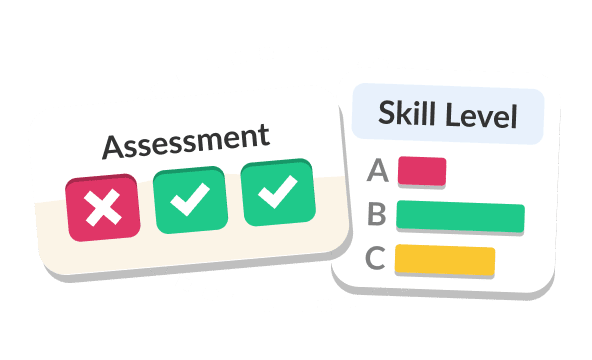
Finds the Gaps
You'll know what your child needs to study.
Expert Video Solutions
Real teachers help your child learn alone.

Curriculum Aligned
Just your child's provincial curriculum needs.
Try It Now
Test your knowledge
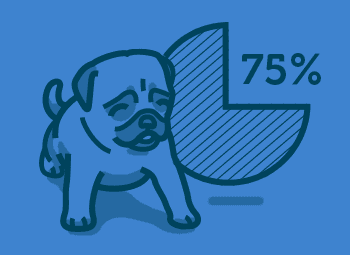
Our approach aligns with the evidence
Exam Scores
Better Recall
Less Anxiety
Grade 7 English Topics
1. Evidence
3. Elements
5. Structure
6. Perspective
8. Comparison
9. Main Ideas
10. Analysis
11. Technical
12. Information Structure
13. Author's Purpose
14. Analyzing Evidence
15. Claims
16. Support
17. Organization
18. Development
19. Information Organization
20. Technique
21. Process
22. Investigation
23. Sources
24. Preparation
25. Media Formats
26. Presentation Organization
27. Grammar
28. Style
29. Acquisition
30. Interpretation
31. Security
32. Evaluation
33. Production
33 Chapters · 37 Topics · 32 Videos
Discover Our Learning Areas
Explore key subjects and start learning with interactive content.



What is Grade 7 English Language Arts?
Grade 7 English Language Arts is the stage where students move from learning to read toward reading to learn — and thinking critically about what they read. At this level, the provincial curriculum shifts focus toward interpreting complex texts, recognizing author's craft, and building the grammar and vocabulary foundation students will need in high school. For many families, Grade 7 is the year English class starts to feel genuinely challenging, and the right practice support can make a meaningful difference.
What reading comprehension skills are covered in Grade 7 ELA?
Grade 7 reading comprehension moves well beyond basic recall. Students are expected to identify main ideas and supporting details in both fiction and non-fiction, make inferences, evaluate an author's purpose, and connect texts to broader themes or real-world contexts. Passages become longer and more complex, and questions require students to explain their reasoning, not just select an answer.
StudyPug's practice questions are built around these exact comprehension skills. The diagnostic assessment identifies where a student's reading comprehension breaks down — whether that's inferencing, text structure, or evaluating evidence — and directs practice to close those specific gaps. Certified teachers walk through comprehension strategies in video lessons, giving students a method they can apply to any passage they encounter in class.
How is literary analysis taught at Grade 7?
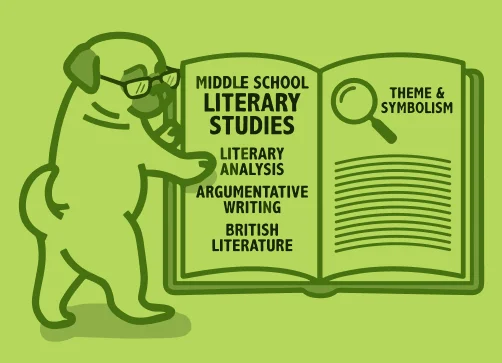
Literary analysis is one of the most significant new demands in Grade 7 ELA. Students begin to examine how authors construct meaning: through characterisation, narrative perspective, imagery, tone, and theme. They move from describing what happens in a story to explaining why an author made specific choices and what effect those choices have on the reader.
This shift can feel abstract to many students. StudyPug's video lessons break literary analysis into clear, teachable steps. A certified teacher demonstrates how to identify and explain a narrative technique, how to build a textual evidence chain, and how to write or respond analytically — not just summarise. Students who watch the lesson, then practise with adaptive questions, build the analytical instincts their teachers are looking for on assessments.
What grammar and vocabulary skills does Grade 7 ELA cover?
Grammar at Grade 7 becomes more precise. Students work with complex and compound-complex sentences, subordinate clauses, proper punctuation, verb tense consistency, and pronoun agreement. Vocabulary instruction shifts toward understanding words in context — using roots, prefixes, and contextual clues rather than rote memorisation.
StudyPug's practice targets these skills directly. The adaptive system adjusts the difficulty of grammar and vocabulary questions based on performance, so students who have a solid grasp of basic sentence structure can move quickly to more challenging concepts, while students who need reinforcement get exactly the repetition and variation they need without wasting time on concepts they already understand.
What is author's craft and why does it matter at Grade 7?
Author's craft refers to the deliberate choices a writer makes — word choice (diction), sentence rhythm, imagery, point of view, and structural techniques — to shape a reader's experience. At Grade 7, students are expected to identify these choices, name them precisely, and explain their effect on meaning or tone.
Understanding author's craft helps students not just read better, but write with more intentionality themselves. StudyPug's lessons make craft analysis feel accessible: certified teachers use concrete examples from grade-appropriate texts to show students exactly how to spot a technique and explain it in their own words.
How does critical reading develop in Grade 7?
Critical reading at Grade 7 includes evaluating an author's argument, identifying bias or perspective, comparing multiple sources on the same topic, and distinguishing fact from opinion. These skills underpin both ELA assessments and cross-curricular work in science and social studies.
StudyPug's reading comprehension practice includes non-fiction and informational texts alongside literary fiction, giving students repeated practice with the full range of reading tasks they encounter in Grade 7 classrooms across Ontario, BC, and Alberta.
Why StudyPug for Grade 7 English Language Arts?
StudyPug offers Grade 7 ELA learners three things that matter most: a diagnostic that finds the real gaps, certified-teacher video lessons that explain the method clearly, and adaptive practice that builds from where a student actually is.
Many online tools offer practice questions without explanation. StudyPug combines the lesson and the practice in one place. When a student gets a comprehension question wrong, they can watch the relevant video lesson to understand why — not just see the correct answer. This loop of learn, practise, review is how genuine skill-building happens.
The content is aligned to provincial curriculum standards. Parents across Ontario and BC use StudyPug knowing the topics their child practises match exactly what their teacher is covering in class. The parent dashboard shows progress week by week, so families can see which skills are improving and where more practice is still needed. One subscription covers up to 5 children across all grades and subjects — providing consistent support as your family's needs change over time.
StudyPug's 30-day money-back guarantee means there is no risk in trying it. Free practice content is available from the moment you sign up, with no commitment required to explore the platform.
What topics are covered in Grade 7 English Language Arts?
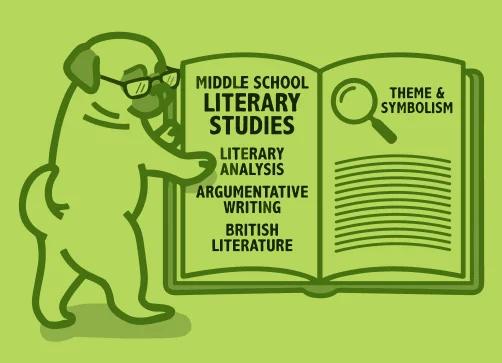
The Grade 7 ELA curriculum includes the following core topic areas, all available through StudyPug's lesson and practice library:
- Reading comprehension — fiction and non-fiction
- Literary analysis — theme, characterisation, narrative perspective
- Author's craft — diction, imagery, tone, structural techniques
- Critical reading — inference, bias, evaluating arguments
- Grammar — complex sentences, clauses, punctuation, verb tense
- Vocabulary — context clues, roots and prefixes, vocabulary in use
For curriculum-specific topic breakdowns, you can explore the Ontario Grade 7 ELA curriculum and the British Columbia Grade 7 ELA curriculum to see how StudyPug's content aligns with your province's learning expectations.
Using StudyPug for Grade 7 English Language Arts
Getting started with StudyPug for Grade 7 ELA takes only a few minutes. After signing up, your child takes a short diagnostic assessment that identifies their current strengths and the areas that need the most attention. From there, the platform recommends where to begin — whether that's a specific reading comprehension skill, a grammar concept, or a literary analysis technique.
Students can work through video lessons at their own pace, pausing and rewinding as needed. Each lesson is followed by adaptive practice questions that adjust in difficulty based on how the student performs. The more they practise, the more the system understands their individual learning pattern — serving questions that challenge without overwhelming.
Parents can log in to the dashboard at any time to review progress reports. The reports show which topics have been covered, where improvement is happening, and which areas still need work. This makes it easy to have informed conversations with your child's teacher and to focus home study time where it matters most.
Whether your child needs to catch up on concepts they found challenging earlier in the year, keep pace with what their class is covering right now, or get ahead before high school, StudyPug's Grade 7 English Language Arts content is built to support them at every stage. Start with the free practice content available today, and experience what curriculum-aligned, teacher-led learning looks like when it adapts to your child.
Grade 7 English FAQ
Unsure how StudyPug works? Need help with setting up? Check our frequently asked questions or contact us for help.
What's included in the subscription?
Full access to all Grade 7 English Language Arts video lessons, practice problems, assessments, and progress tracking. One subscription covers up to 5 children and all grades, subjects, and courses on StudyPug.
Can I sign up free to try it?
Yes! Free practice content is available to explore right away. When you're ready to subscribe, a 30-day money-back guarantee means no risk — if it's not right for your child, we'll refund you in full.
How much does it cost?
Plans start with one low monthly payment, with annual options for the best value. One plan covers up to 5 children and all subjects. 30-day money-back guarantee. [See all plans →]
What Grade 7 ELA topics does StudyPug cover?
StudyPug covers the full Grade 7 English Language Arts curriculum: reading comprehension, literary analysis, author's craft, grammar, vocabulary in context, and critical reading strategies — all aligned to provincial standards.
Is Grade 7 English difficult?
Grade 7 introduces more complex texts and skills like author's craft and rhetoric. The diagnostic assessment identifies exactly where your child is, so practice starts at the right level — never overwhelming, always building forward.
How does the diagnostic assessment work?
A short assessment identifies which Grade 7 reading, grammar, and analysis skills need the most attention. Practice then focuses on those gaps rather than repeating what your child already knows, making study time more efficient.




Written by the StudyPug Team
Last updated June 5, 2026
3 M+
students
★★★★★
4.8 average
K–12
all grades