TOPIC
Behavioral Adaptations, Actions that aid survivalMY PROGRESS
Pug Score
0%
Getting Started
"Let's build your foundation!"
Best Streak
0 in a row
Study Points
+0
Overview
Practice
Watch
Read
Quiz
Next Steps
Get Started
Get unlimited access to all videos, practice problems, and study tools.
BACK TO MENU
Topic Progress
Pug Score
0%
Getting Started
"Let's build your foundation!"
Videos Watched
0/0
Best Practice
No score
Read
Not viewed
Best Quiz
No attempts
Best Streak
0 in a row
Study Points
+0
Overview
Practice
Watch
Read
Quiz
Next Steps
Read
Behavioral Adaptations: Discover the Amazing Actions Animals Use to Survive
You will learn how animals use special actions and behaviors called behavioral adaptations to survive, find food, avoid predators, and thrive in their environments.
What Are Behavioral Adaptations?
A behavioral adaptation is an action an animal does to help it survive in its environment. Instead of a body part or physical feature, it is something the animal does. You can think of it this way: if it is about what an animal looks like, it is a structural adaptation. If it is about what an animal does, it is a behavioral adaptation.
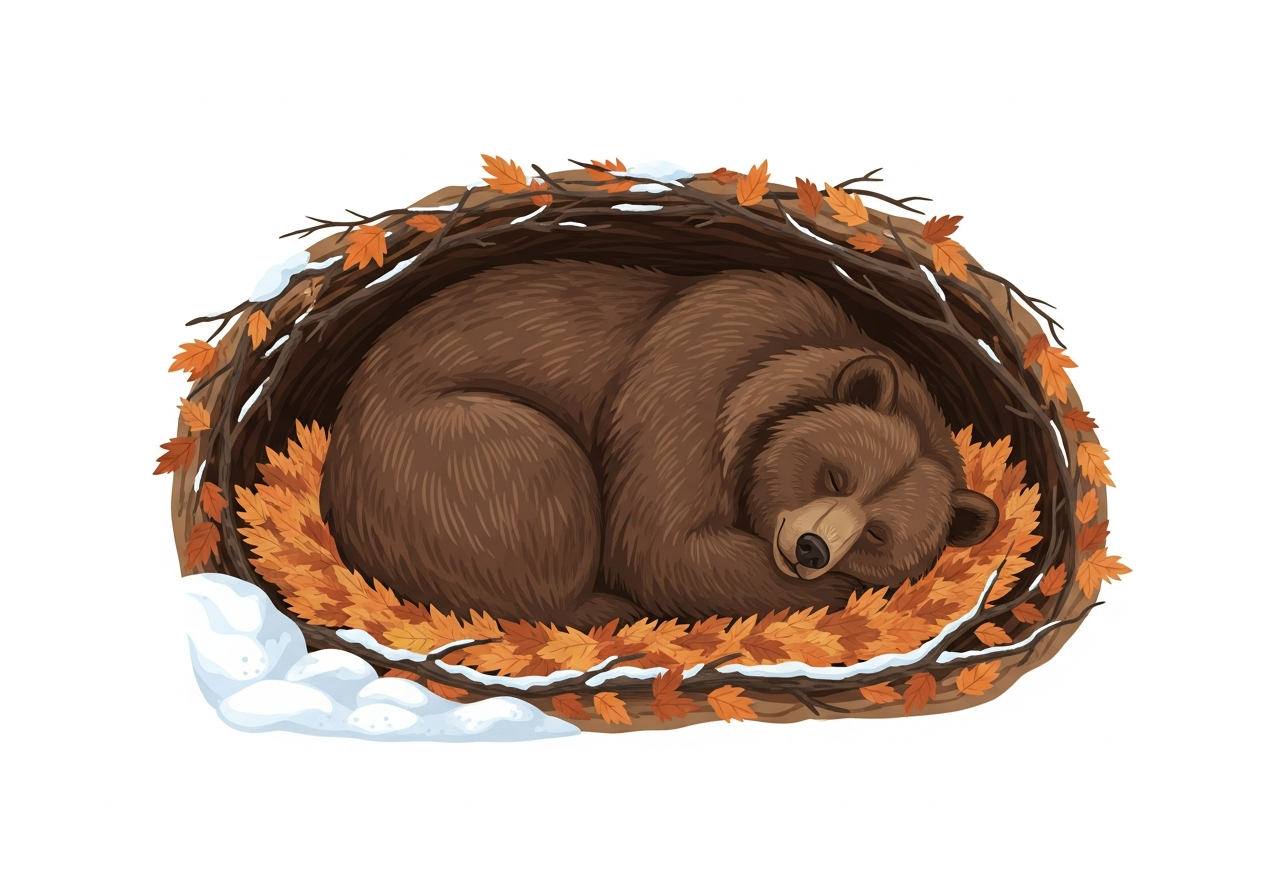
For example, a bear growing thick fur is a structural adaptation. But a bear sleeping through winter to save energy is a behavioral adaptation called hibernation.
Key Behavioral Adaptations You Need to Know
Migration
Migration means traveling from one place to another to find warmer weather and food. Birds fly south in autumn when food becomes scarce and temperatures drop. In spring, they fly north again. Monarch butterflies also migrate thousands of miles to warmer places each fall.
Hibernation
Hibernation is a long, deep sleep that some animals, like bears and ground squirrels, go into during winter. Their heartbeat and breathing slow way down, and they burn stored body fat instead of searching for food. This saves energy when food is very scarce.
Nocturnal Behavior
Nocturnal animals are active at night and sleep during the day. Owls hunt at night because their eyes are built for low light, and they can catch prey like mice that also come out after dark. Being active at night also helps them avoid daytime predators.
Playing Dead
A possum falls over and acts completely still when a predator comes near. This is called playing dead, and it tricks predators into thinking the possum is not worth eating. This is different from hibernation, which is a long seasonal sleep.
Camouflage Behavior
A stick insect stays perfectly still on a branch so it looks just like a twig. Its body already looks like a plant, but if it moved, a predator would spot it quickly. Staying still is the camouflage behavior that keeps it safe.
Group and Social Survival Behaviors
Many animals use group behaviors to survive. When animals travel in herds, predators have a harder time targeting one individual this is called "safety in numbers." Wolves hunt together in packs to catch prey too large for one wolf alone. Fish swim in large groups called schools to confuse predators and make it harder to catch any single fish.
Alarm calls are another group behavior. A ground squirrel stands tall and makes a loud call when it sees a hawk, warning the whole group to escape. Meerkats do the same thing. Bees perform a special waggle dance inside the hive to tell other bees exactly where to find flowers with nectar.
Instincts vs. Learned Behaviors
Some behaviors are instincts actions animals are born knowing how to do without being taught. A baby bird opening its mouth for food and a spider spinning a web are both instincts. You do not need to teach these animals; they just know.
Other behaviors are learned behaviors actions animals pick up by watching others or through experience. A young chimpanzee watches its mother use a stick to dig termites from a mound and learns to do the same. This is a learned behavior, not an instinct.
More Survival Behaviors
Mimicry is when an animal copies the look or behavior of a dangerous animal to trick predators. Warning signals, like bright colors on a poison dart frog, tell predators to back off. Animals also defend territories to protect their food and family from rivals.
Dormancy is a broad term for when animals slow down to survive extreme weather. Hibernation in winter and estivation (a summer sleep during extreme heat or drought) are both types of dormancy. Squirrels bury acorns in fall called food caching so they have food stored for winter. Parenting behaviors, like a mother alligator carrying her babies to water or a mother bird sitting on her eggs to keep them warm, also help young animals survive.
Key Terms and Definitions
Behavioral Adaptation: An action an animal does to help it survive in its environment. For example, a skunk spraying a predator is a behavioral adaptation.
Migration: A behavioral adaptation where animals travel from one place to another to find warmer weather and food. Birds fly south in autumn and return north in spring.
Hibernation: A long, deep winter sleep that helps animals save energy when food is very scarce. Bears and ground squirrels hibernate.
Camouflage Behavior: Hiding by staying still or blending in with the surroundings. A stick insect stays perfectly still so it looks like a twig.
Predator: A hunter animal that other animals must escape from. Owls are predators that hunt mice at night.
Nocturnal: An animal that is active at night and rests during the day. Owls are nocturnal animals that avoid daytime dangers.
Mimicry: A behavioral adaptation where an animal copies the look or behavior of a dangerous animal to trick predators into leaving it alone.
Instinct: A behavior an animal is born knowing how to do naturally, without being taught. A spider spinning a web is an instinct.
Warning Signals: Bright colors or sounds that tell predators to back off because an animal is dangerous or tastes bad.
Territory Defense: When an animal protects its home area to keep its food and family safe from other animals.
Dormancy: A state where an animal slows down its body to survive extreme weather, like very cold winters or very hot summers.
Estivation: A type of dormancy that happens in summer when weather is extremely hot or dry, similar to hibernation but in warm conditions.
Playing Dead: A behavioral adaptation where an animal acts lifeless to fool predators into leaving it alone. Possums are famous for this.
Learned Behavior: An action an animal learns by watching others or through experience, rather than being born knowing it. A chimpanzee learning to use a tool is a learned behavior.
Food Caching: Storing food by burying or hiding it to eat later, especially during winter when food is hard to find. Squirrels cache acorns in fall.
Alarm Calls: Loud sounds animals make to warn their group that a predator is nearby, giving everyone a chance to escape.
Waggle Dance: A special dance honeybees perform inside the hive to tell other bees the direction and distance of flowers with nectar.
Schooling: When fish swim together in a large, tight group to confuse predators and make it harder to catch any single fish.
Parenting Behaviors: Actions a parent animal takes to protect and care for its young, like a mother bird sitting on her eggs to keep them warm.
Practice What You Know
You can test your understanding by thinking about animals you know. Ask yourself: is this animal doing something (behavioral) or does it have a special body part (structural)? For example, a chameleon changing color is both the ability to change is physical, but the act of changing in response to danger is behavioral.
You will also practice telling the difference between hibernation and migration two behaviors that are often confused. Remember: hibernation means sleeping in one place, while migration means traveling far away. Both help animals survive winter, but in completely opposite ways. You can also explore Structural Adaptations to compare physical features with behavioral actions.
Building on What You Already Know
You have already learned about Animal Adaptations: Physical and Behavioral Features, which introduced you to the idea that animals have both physical and behavioral ways of surviving. You also studied Plant Adaptations: Structural Adaptations and Animal Groups: Major Animal Classifications, which help you understand which animals use which behaviors.
Your knowledge of Animal Life Cycles, Metamorphic Life Cycles, and Non-metamorphic Life Cycles also connects here an animal's stage of life can affect which behavioral adaptations it uses to survive.
Related Topics and Connections
Behavioral adaptations connect to many other science topics you will explore. Understanding how animals behave to survive is closely linked to Ecosystem Components: Living and Non-living Elements because the environment an animal lives in shapes the behaviors it needs. You will also see connections to Communities: Interaction Between Populations and Population Dynamics: Groups of Organisms in an Area, since group behaviors like herding and alarm calls involve whole populations working together.
Behavioral adaptations also affect Food Webs: Interconnected Food Chains and Energy Transfer: Producer to Consumer Flow, because how animals hunt, migrate, or store food changes how energy moves through an ecosystem. Trophic Levels: Producers, Consumers, Decomposers also connects, since predator-prey behaviors determine who eats whom.
You will find that Seasonal Changes: Earth's Tilt and Orbit and Climate Zones: Regional Variations directly trigger behaviors like migration and hibernation. Conservation: Protection Strategies, Traditional Practices and Resource Management, and Environmental Knowledge: Local Ecosystem Understanding all build on your understanding of how animals behave in their natural habitats.
This topic prepares you for more advanced ideas like Specialized Senses: Echolocation, UV Sensing, and Magnetoreception and Environmental Response: Reactions to Light, Touch, and Gravity. You will also be ready to explore Terrestrial Biomes: Land-based Ecosystem Types and Aquatic Biomes: Water-based Ecosystem Types, where different behavioral adaptations help animals survive in very different environments.