Topic
Aquatic Biomes, Water-based ecosystem typesMy Progress
Pug Score
0%
Getting Started
Let's build your foundation!
Best Streak
0 in a row
Study Points
+0
Overview
Practice
Watch
Read
Quiz
Next Steps
Back to Menu
Topic Progress
Pug Score
0%
Getting Started
"Let's build your foundation!"
Videos Watched
0/0
Best Practice
No score
Read
Not viewed
Best Quiz
No attempts
Best Streak
0 in a row
Study Points
+0
Overview
Practice
Watch
Read
Quiz
Next Steps
Read
Dive Into Aquatic Biomes: Explore Earth's Water-Based Ecosystems
You will explore aquatic biomes the water-based ecosystems of Earth, including oceans, rivers, lakes, wetlands, and coral reefs. You will learn what makes each one unique and why they matter.
What Are Aquatic Biomes?
An aquatic biome is a large water-based ecosystem where plants and animals live together. Aquatic biomes cover more than 70% of Earth's surface, making them the most widespread ecosystems on our planet.
You can find aquatic biomes in oceans, rivers, lakes, ponds, and wetlands. Each one has its own special conditions that support different kinds of life. As you already know from studying Ecosystem Components, every ecosystem includes both living and non-living elements working together.
Freshwater vs. Saltwater Aquatic Biomes
The two main types of aquatic biomes are freshwater biomes and marine (saltwater) biomes. The key difference is the amount of salt in the water.
Freshwater biomes have very little dissolved salt. Rivers, lakes, ponds, and most wetlands are freshwater biomes. Marine biomes, like oceans and coral reefs, contain about 3.5% salt.
Some special places, called estuaries, are where freshwater from a river mixes with salty ocean water. This creates a unique brackish (partly salty) environment that many animals depend on for shelter and food.
Types of Aquatic Biomes
You will encounter many different aquatic biome types. Here is a look at the most important ones:
Oceans are the vast saltwater biomes covering most of Earth. They hold the most saltwater on the planet and are divided into zones based on how much sunlight reaches them. The sunlit zone near the surface receives the most light and supports most ocean plants and algae. The midnight zone and deep ocean trenches are completely dark, very cold, and under extreme water pressure.
Rivers are flowing freshwater systems that move in one direction toward the sea. Lakes are large bodies of still freshwater surrounded completely by land. Ponds are small, still, shallow freshwater bodies.
Wetlands are areas of land soaked or covered with water most of the time. Swamps are wooded wetlands dominated by trees and woody plants growing in water. Marshes are shallow wetlands covered mostly by grasses and soft plants like reeds and cattails.
Amazing Features of Aquatic Ecosystems
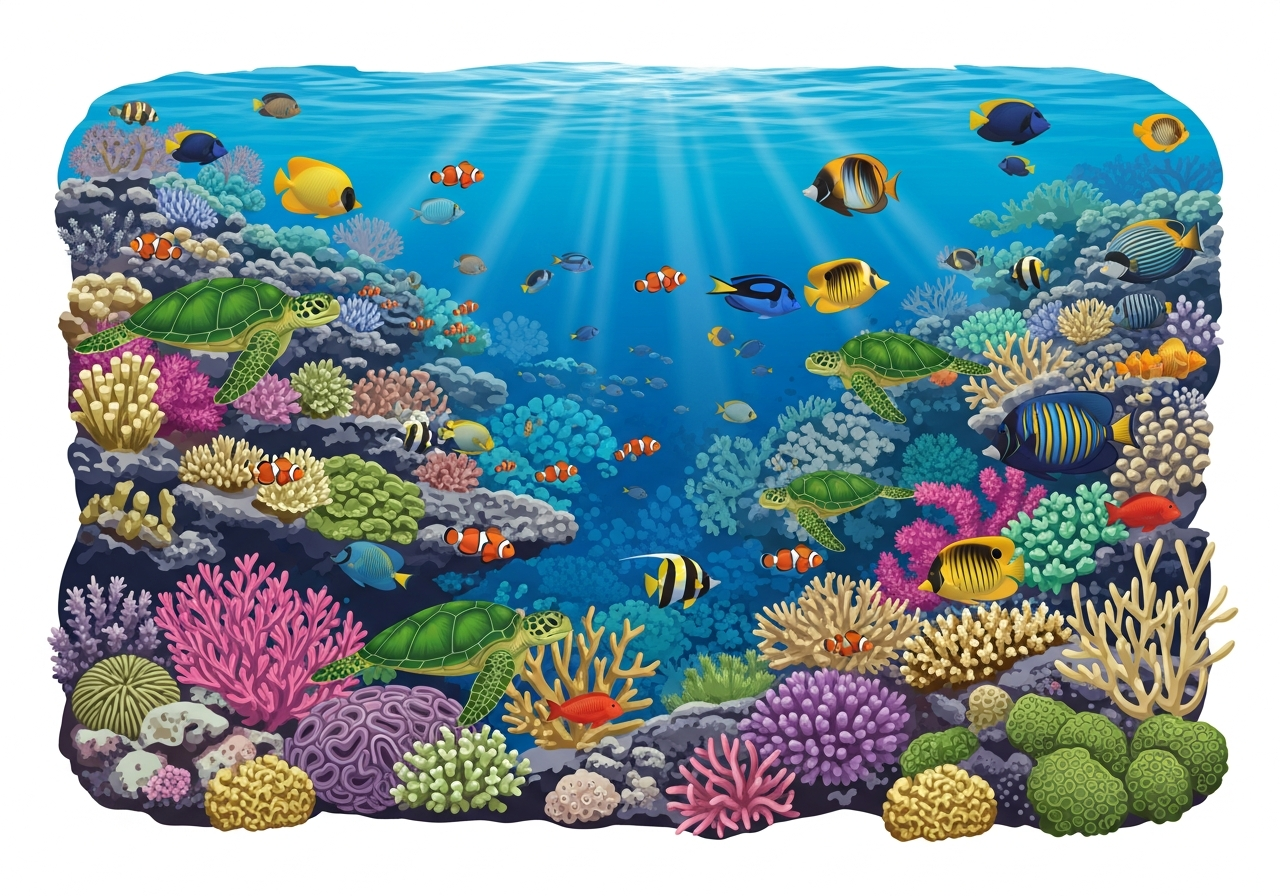
Coral reefs are underwater structures built by tiny animals called coral polyps. They are found in warm, shallow, clear ocean waters near the equator. Even though coral reefs cover less than 1% of the ocean floor, they are home to about 25% of all ocean species. That is why coral reefs are called the "rainforests of the sea" just like tropical rainforests on land, they pack enormous biodiversity into a small area.
Kelp forests grow in cooler coastal waters and can reach heights of 30 metres. Tide pools are isolated pockets of seawater left by receding tides, home to starfish, crabs, and anemones. Mangroves are salt-tolerant coastal trees whose tangled roots create important nursery habitats for fish and shellfish.
Plankton are tiny floating organisms that form the base of most aquatic food chains. Without plankton, most aquatic ecosystems would collapse. Algae also plays a vital role it produces oxygen and food that many aquatic animals depend on through photosynthesis. You can connect this to what you learned about Food Webs and Energy Transfer.
Ocean Zones and Aquatic Life
The ocean is divided into zones based on sunlight. The sunlit zone (also called the euphotic zone) is where most ocean plants and algae grow because sunlight reaches there. Most ocean animals live near the surface because algae and phytoplankton there create food energy for the entire food web.
The intertidal zone is the area of shoreline covered and uncovered by ocean tides. Animals like barnacles, mussels, and sea stars have special adaptations to survive both wet and dry conditions. The deep ocean zone is completely dark, near-freezing, and under enormous pressure.
Why Aquatic Biomes Matter
Aquatic biomes provide clean water, food, and homes for millions of living things including you! They supply freshwater for drinking, food sources like fish and seafood, and oxygen produced by aquatic plants and algae.
When water pollution occurs, plants and animals can get sick, die, or be forced to leave the area. Dumping chemicals and waste into rivers, lakes, and oceans is one of the most harmful things humans do to aquatic biomes. You can learn more about protecting these ecosystems by exploring Habitat Protection and Sustainable Practices.
Key Terms & Definitions
Aquatic Biome: An aquatic biome is a large water-based ecosystem where plants and animals live together. You can find aquatic biomes in oceans, rivers, lakes, ponds, and wetlands.
Ocean: The ocean is the vast saltwater biome that covers most of Earth. It holds the most saltwater on the planet and is home to an enormous variety of life.
River: A river is a flowing freshwater system that moves in one direction, usually toward the sea. Rivers are freshwater biomes with very little dissolved salt.
Pond: A pond is a small, still, shallow body of freshwater. Ponds are home to animals like frogs, turtles, dragonflies, and small freshwater fish.
Estuary: An estuary is a special aquatic biome where freshwater from a river meets and mixes with salty ocean water, creating a brackish environment. Estuaries are important nursery habitats for many fish and birds.
Swamp: A swamp is a wooded wetland found in warm regions where trees and woody plants grow in or near standing water. Famous swamps like the Everglades are home to alligators, herons, and many fish.
Marsh: A marsh is a type of wetland biome dominated by soft-stemmed plants like grasses, reeds, and cattails growing in shallow water. Marshes are different from swamps because they have grasses instead of trees.
Plankton: Plankton are microscopic drifters tiny floating organisms that fuel aquatic food webs. They are the foundation of most aquatic food chains, and without them, many ecosystems would collapse.
Coral Reef: A coral reef is an underwater structure built by tiny animals called coral polyps in warm, shallow ocean waters. Coral reefs are called the "rainforests of the sea" because of their amazing biodiversity.
Kelp Forest: A kelp forest is a large underwater forest of kelp (a type of seaweed) that grows in cooler coastal waters and can reach heights of 30 metres. Many sea animals live and hide among the kelp.
Tide Pool: A tide pool is an isolated pocket of seawater left behind when ocean tides go out. You can find starfish, crabs, and anemones living in tide pools along rocky shores.
Mangrove: Mangroves are salt-tolerant coastal trees that grow along tropical coastlines and estuaries. Their tangled roots create important nursery habitats for fish and shellfish.
Freshwater Biome: A freshwater biome is a water-based ecosystem with very little dissolved salt. Rivers, lakes, ponds, and most wetlands are freshwater biomes.
Marine Biome: A marine biome is a saltwater ecosystem, like the ocean or coral reef. Marine biomes contain about 3.5% salt in their water.
Wetland: A wetland is an area of land that is soaked or covered with water most of the time. Wetlands filter water, prevent flooding, and shelter many wildlife species.
Biodiversity: Biodiversity means the variety of different living things found in an ecosystem. Coral reefs have very high biodiversity because they support thousands of different species.
Sunlit Zone: The sunlit zone is the top layer of the ocean where sunlight can reach, allowing plants and algae to grow. Most ocean animals live in or near the sunlit zone.
Intertidal Zone: The intertidal zone is the area of shoreline that is covered by water during high tide and exposed to air during low tide. Animals here must survive both wet and dry conditions.
Algae: Algae are plant-like organisms that live in water and perform photosynthesis. They produce oxygen and food that many aquatic animals depend on, making them a vital part of aquatic food webs.
Plankton (Phytoplankton): Phytoplankton are tiny plant-like plankton that use sunlight to make food through photosynthesis. They are a critical food source for many ocean animals and produce a large amount of Earth's oxygen.
Practice Activities for Aquatic Biomes
You can practice identifying aquatic biomes by sorting them into freshwater and saltwater categories. Think about rivers, lakes, ponds, oceans, coral reefs, and estuaries which ones have salt and which ones do not?
Try drawing a simple food web for an ocean or pond ecosystem. Start with algae or plankton as your producer, then add consumers. This connects to what you learned about Trophic Levels and Energy Flow.
You can also explore how Environmental Science connects to aquatic biomes by thinking about how human activities like pollution affect rivers, lakes, and oceans near where you live.
Building on What You Already Know
Before exploring aquatic biomes, you should be familiar with some important foundational topics. You already learned about Ecosystem Components the living and non-living elements that make up any ecosystem. You also studied Communities and how different populations interact with each other.
Your knowledge of Food Webs, Energy Transfer, and Trophic Levels will help you understand how energy moves through aquatic ecosystems. Understanding Climate Zones and Weather Patterns also helps explain why different aquatic biomes exist in different parts of the world.
Your understanding of Conservation and Resource Use will help you think about how to protect aquatic biomes from pollution and habitat destruction.
Related Topics & Connections
Aquatic biomes connect to many other important science topics. Here is how they all fit together:
You just explored Terrestrial Biomes the land-based ecosystem types. Comparing land biomes and water biomes helps you see how different environments support different kinds of life. Both types of biomes are shaped by Climate Regions the temperature and precipitation patterns of an area.
Aquatic biomes are closely connected to Matter Cycles the water, carbon, and nitrogen cycles that move materials through ecosystems. The Energy Flow topic shows you how food webs and energy transfer work inside aquatic biomes. You can also connect aquatic biomes to Surface Features like mountains, valleys, and oceans that shape where biomes are found.
Protecting aquatic biomes is covered in Habitat Protection and Sustainable Practices. The broader topic of Environmental Science explores how human activities affect all ecosystems, including aquatic ones.
After mastering aquatic biomes, you will be ready to explore more advanced topics. You will study System Interactions how biotic and abiotic factors work together. You will also dive deeper into Energy Flow through food webs and energy pyramids, explore Environmental Systems and human effects on ecosystems, and learn about Resource Management for sustainable use and conservation.