TOPIC

Animal Life Cycles, Various animal growth patterns

MY PROGRESS

Pug Score

0%

Best Streak

0 in a row

Study Points

+0

Overview

Practice

Read

Quiz

Next Steps


Get Started

Get unlimited access to all videos, practice problems, and study tools.

Unlimited practice
Full videos

Back to Menu

Topic Progress

Pug Score

0%

Best Practice

No score

Read

Not viewed

Best Quiz

No attempts


Best Streak

0 in a row

Study Points

+0

Read

Discover How Animals Grow and Change Through Their Life Cycles

You will learn how different animals grow, change, and complete their life cycles, from hatching out of eggs to being born live and growing into adults.

What Is an Animal Life Cycle?

Every animal goes through a life cycle the stages it passes through from the time it is born until it grows up and has babies of its own. You can think of a life cycle as a journey that every animal takes as it grows.

All animal life cycles include being born or hatching, growing up, and eventually reproducing to keep their kind alive on Earth.

Two Ways Animals Are Born

You will notice that animals are born in two main ways. Some animals hatch from eggs, like chickens, frogs, sea turtles, and butterflies. Other animals are born live, meaning the baby grows inside the mother's body first, like dogs, cats, horses, and kangaroos.

Most animals that are born live are called mammals. Mother mammals feed their babies milk from their own bodies. A baby kangaroo is even born tiny and continues growing inside its mother's special pouch!

Some animals that hatch from eggs receive parental care, like baby robins whose parents bring them food. Other animals, like sea turtles and salmon, hatch from eggs with no parental care at all.

The Frog Life Cycle

One of the most exciting life cycles to learn about is the frog's. A frog's life cycle has four main stages, and the animal looks very different at each stage.

What Is Metamorphosis?

Metamorphosis is the amazing process where an animal's body changes its shape completely as it grows. Frogs and butterflies both go through metamorphosis, but in different ways.

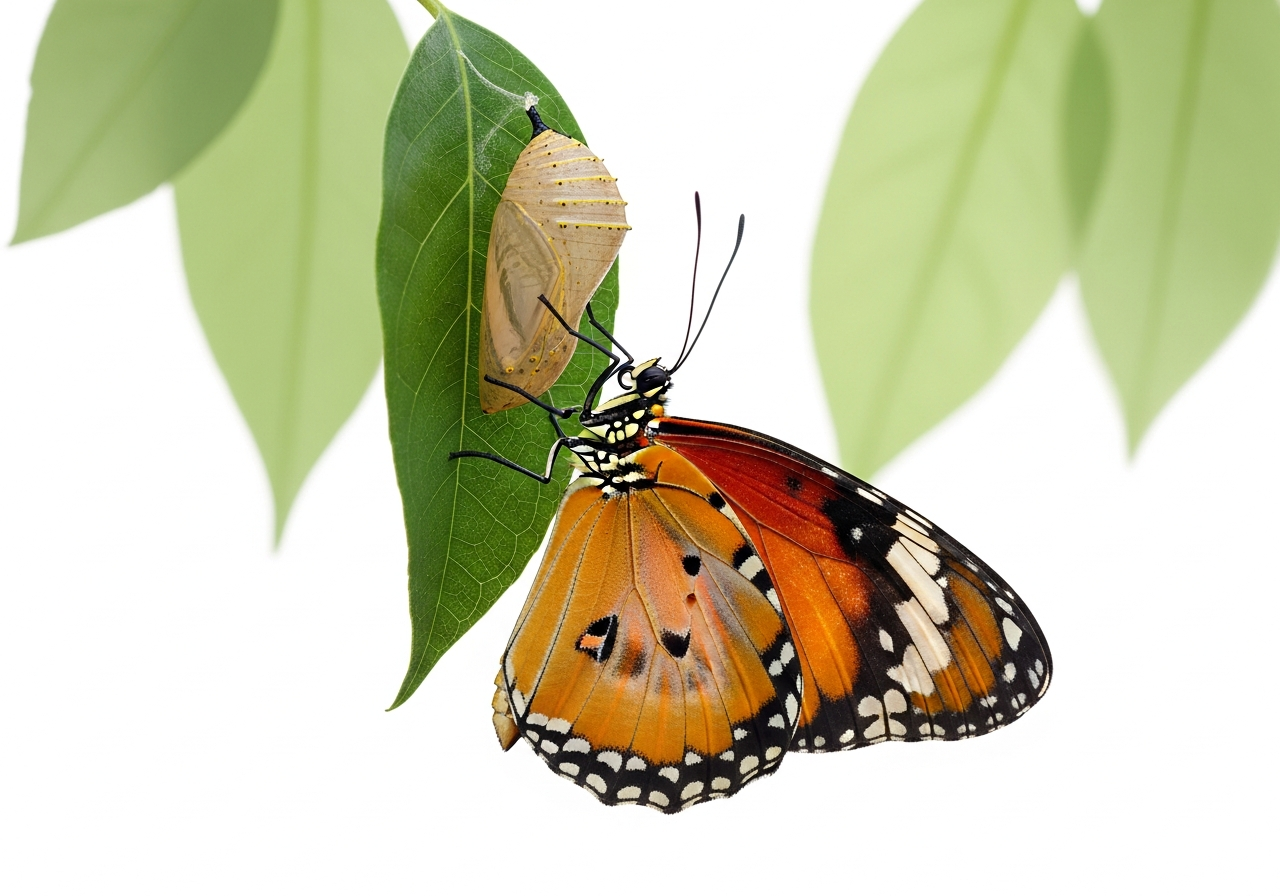
A butterfly goes through complete metamorphosis with four stages: egg, larva (caterpillar), pupa (chrysalis), and adult. A grasshopper goes through incomplete metamorphosis with only three stages: egg, nymph, and adult.

Animals like dogs and chickens do NOT go through metamorphosis. A puppy simply grows bigger into an adult dog, and a baby chick grows into a chicken without changing its body shape dramatically.

The Butterfly Life Cycle

You will love learning about how a butterfly grows! First, a tiny egg is laid on a leaf. When it hatches, a caterpillar (also called a larva) crawls out and eats lots of leaves to grow big and strong.

Next, the caterpillar wraps itself inside a hard protective case called a chrysalis (the pupa stage). Inside the chrysalis, the caterpillar's body transforms completely into a butterfly. When the change is finished, a beautiful adult butterfly breaks free!
Comparing Animal Life Spans

Different animals take very different amounts of time to grow up. A mayfly grows up in just one day and lives for only one to two days. A dog takes one to two years to grow up and lives for about ten to thirteen years.

An elephant takes ten to fifteen years to grow up and can live for sixty to seventy years. A giant tortoise takes the longest twenty to twenty-five years to grow up and can live for over one hundred years! You can see that animals with longer life spans often take more time to reach adulthood.

Key Terms and Definitions

Life Cycle: A life cycle is all the stages you see an animal go through, from the time it is born or hatches until it grows up, reproduces, and the cycle starts again.

Metamorphosis: Metamorphosis is the big change in body shape that some animals go through as they grow. You see this in butterflies and frogs, where the young animal looks completely different from the adult.

Egg: An egg is the very first stage in the life cycle of many animals. It is often protected by a shell and contains the baby animal growing inside.

Larva: A larva is the young stage of an insect after it hatches from an egg. A caterpillar is the larva of a butterfly. It looks nothing like the adult and spends its time eating and growing.

Pupa: The pupa is a quiet resting stage where the larva's body transforms into an adult. For a butterfly, this stage happens inside a chrysalis.

Chrysalis: A chrysalis is the hard protective case that a caterpillar forms around itself during the pupa stage. Inside, the caterpillar slowly changes into a butterfly.

Adult: The adult is the fully grown stage of an animal. An adult animal can reproduce and have babies of its own.

Tadpole: A tadpole is the young form of a frog. It lives in water, breathes through gills, and has a tail but no legs. Over time, it grows legs and loses its tail.

Froglet: A froglet is the stage between a tadpole and an adult frog. It has grown legs but may still have a small tail that will soon disappear.

Complete Metamorphosis: Complete metamorphosis is when an animal goes through four stages: egg, larva, pupa, and adult. Butterflies and beetles go through complete metamorphosis.

Incomplete Metamorphosis: Incomplete metamorphosis is when an animal goes through only three stages: egg, nymph, and adult. Grasshoppers go through incomplete metamorphosis.

Nymph: A nymph is the young stage of insects like grasshoppers. It looks like a tiny adult but does not yet have full wings.

Reproduction: Reproduction means an animal makes new babies of its own kind. This is how animals keep their species alive on Earth.

Parental Care: Parental care is when a parent animal stays with its babies to feed and protect them. Dogs, cats, and robins all provide parental care. Sea turtles and salmon do not.

Practice Activities for Animal Life Cycles

You can practice putting the stages of a frog's life cycle in the correct order: egg, tadpole, froglet, and adult frog. Try drawing each stage and labeling it!

You can also compare different animals by sorting them into two groups animals that hatch from eggs and animals that are born live. Think about which animals also receive parental care and which do not.

Try matching each animal to its growth pattern: Does it go through complete metamorphosis, incomplete metamorphosis, or does it simply grow bigger like a dog or deer?

Building Your Science Knowledge

Learning about animal life cycles helps you understand how all living things grow and change. As you explore these patterns, you are building important science skills that will help you understand more about the natural world around you.

You will find that comparing different animals like a butterfly and a frog helps you see both similarities and differences in how living things develop and reproduce.

Related Topics and Connections

The topic of animal life cycles connects to the broader chapter on Reproduction. Understanding how animals reproduce and grow is a key part of learning about all living things. As you continue your science journey, you will build on what you know about life cycles to explore even more about how animals survive and thrive in their environments.

Everything you learn here about eggs, metamorphosis, and parental care will help you make sense of the living world around you from the butterflies in your garden to the frogs in a pond nearby.