TOPIC
Conservation, Environmental protectionMY PROGRESS
Pug Score
0%
Getting Started
"Let's build your foundation!"
Best Streak
0 in a row
Study Points
+0
Overview
Practice
Watch
Read
Quiz
Next Steps
Get Started
Get unlimited access to all videos, practice problems, and study tools.
BACK TO MENU
Topic Progress
Pug Score
0%
Getting Started
"Let's build your foundation!"
Videos Watched
0/0
Best Practice
No score
Read
Not viewed
Best Quiz
No attempts
Best Streak
0 in a row
Study Points
+0
Overview
Practice
Watch
Read
Quiz
Next Steps
Read
Protect the Planet: Conservation and Environmental Protection
You will learn how human activities impact ecosystems and how conservation strategies like protected reserves, sustainable living, and pollution reduction help protect biodiversity and natural resources for future generations.
What Is Conservation and Environmental Protection?
Conservation means protecting ecosystems, species, and natural resources so they remain healthy for future generations. Environmental protection involves reducing the damage that human activities cause to the natural world.
You live on a planet where every living thing depends on a balanced environment. When you understand how human actions affect ecosystems, you can make choices that help protect them. This topic connects directly to your earlier study of Environmental Systems and Human Effects on Ecosystems and Resource Management and Sustainable Use.
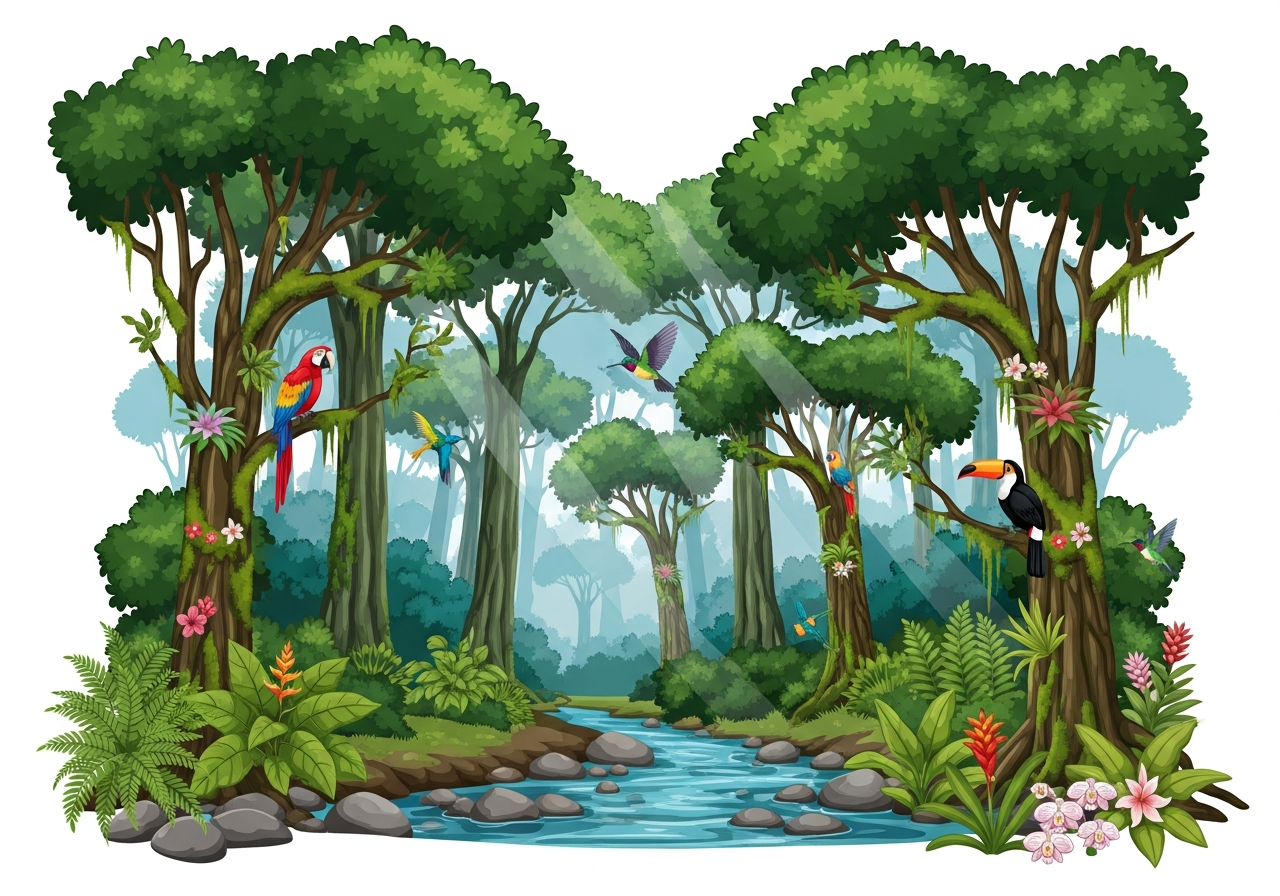
How Humans Damage the Environment
The biggest cause of habitat destruction worldwide is clearing forests and wild land to create farms and cities a process called deforestation. When forests disappear, millions of species lose their homes, and stored carbon dioxide is released into the atmosphere, worsening climate change.
Pollution from factories, farms, and vehicles damages air, water, and soil. When pollutants enter rivers and lakes, they reduce oxygen levels and kill fish, plants, and other aquatic organisms. Acid rain formed when sulfur and nitrogen gases from burning fossil fuels mix with water vapor damages forests, acidifies lakes, and harms wildlife.
Burning fossil fuels releases carbon dioxide and other greenhouse gases that trap heat in Earth's atmosphere, driving climate change a long-term shift in global temperatures. You can explore this further in Climate Change and Human Impact.
Overfishing removes fish faster than populations can reproduce, collapsing food webs and disrupting ocean ecosystems. Invasive species non-native organisms introduced to new environments outcompete native species and reduce biodiversity. Even light pollution harms wildlife by confusing nocturnal animals and disrupting migration patterns.
Conservation Strategies That Protect the Environment
One of the most effective conservation tools is establishing national parks and nature reserves protected areas where development, hunting, and harmful activities are banned. These reserves preserve intact habitat, allowing species populations to remain stable or recover. A government setting aside a wetland as a protected reserve primarily helps biodiversity by keeping ecosystems undisturbed.
Wildlife corridors are strips of natural habitat that connect two separate protected areas, allowing animals to travel safely between reserves to find food, mates, and shelter. Without corridors, isolated populations can become too small to survive.
Switching to renewable resources like solar energy captured from sunlight reduces dependence on fossil fuels and lowers pollution. Practicing the three R's (reduce, reuse, recycle) conserves natural resources and keeps waste out of landfills. You can learn more about these approaches in Environmental Science and Sustainable Practices and Resource Use and Sustainable Practices.
Sustainable development means meeting the needs of people today without harming resources for future generations. Sustainable agriculture practices like crop rotation keep soil healthy and reduce the need for harmful pesticides. Planting native plants and avoiding pesticides also protects pollinators like bees and butterflies, which are essential for plant reproduction and food production.
Planting trees helps combat climate change because trees absorb carbon dioxide through photosynthesis and store it in their wood. Protecting wetlands is equally important they filter water, reduce flooding, and provide habitat for countless species.
Conservation organizations like the WWF work to protect endangered species and preserve natural habitats worldwide. Laws like the Endangered Species Act legally protect threatened animals and plants from hunting and habitat loss, and have helped species like the bald eagle recover from near extinction.
Key Terms and Definitions
Biodiversity: Biodiversity refers to the variety of all different living things animals, plants, fungi, and microorganisms found in an area or on Earth. High biodiversity means a healthy, balanced ecosystem.
Deforestation: Deforestation is the large-scale removal of forests to use the land for farming, cities, or other purposes. It destroys habitats and releases stored carbon dioxide into the atmosphere.
Conservation: Conservation is the set of practices used to protect ecosystems and species from damage or destruction. It includes creating reserves, reducing pollution, and using resources sustainably.
Habitat: A habitat is the specific environment that an organism depends on for food, shelter, and reproduction. When habitats are destroyed, the species living there are put at risk.
Endangered Species: An endangered species is one whose population has dropped so low that it faces a very high risk of becoming extinct in the wild if conditions do not improve.
Greenhouse Gases: Greenhouse gases like carbon dioxide (CO) trap solar energy in Earth's atmosphere and warm the planet. Human activities like burning fossil fuels increase their concentration.
Pollution: Pollution is the introduction of harmful substances into air, water, or soil from industry, farming, and transport. It damages ecosystems and harms the health of living things.
Renewable Resources: Renewable resources, such as solar and wind energy, can be used without being depleted because they are naturally replenished. They are a sustainable alternative to fossil fuels.
Extinction: Extinction is irreversible once a species is gone from Earth, it is gone forever. Human activities like habitat destruction and hunting are the leading causes of extinction today.
Ecosystem: An ecosystem includes both the biotic (living) and abiotic (non-living) components of an environment, all interacting together. Healthy ecosystems provide services like clean air, clean water, and food.
Wildlife Corridor: A wildlife corridor is a strip of natural habitat that connects two separate protected areas, allowing animals to move safely between them to find food, mates, and shelter.
Invasive Species: An invasive species is a non-native organism that spreads rapidly in a new ecosystem where it has no natural predators, often outcompeting native species and disrupting food webs.
Greenhouse Effect: The greenhouse effect is the natural process where atmospheric gases trap heat from the sun and keep Earth warm enough for life. Human activities have intensified this effect, causing global warming.
Sustainable Development: Sustainable development means meeting the needs of people today without damaging the resources and ecosystems that future generations will depend on.
Ecosystem Services: Ecosystem services are the benefits that healthy ecosystems provide to humans free of charge, such as clean air, clean water, pollination of crops, and flood control.
Overfishing: Overfishing occurs when fish are caught faster than they can reproduce, causing populations to collapse and disrupting ocean food webs.
Acid Rain: Acid rain is precipitation made acidic by sulfur and nitrogen gases released from burning fossil fuels. It damages forests, acidifies lakes, kills aquatic life, and corrodes buildings.
Ozone Layer: The ozone layer is a region of Earth's atmosphere that shields living things from harmful ultraviolet (UV) radiation from the sun, protecting organisms from skin damage and ecosystem harm.
Keystone Species: A keystone species has a disproportionately large effect on its ecosystem. Removing it causes the ecosystem to become unbalanced and negatively affects many other species.
Practice Activities for Conservation and Environmental Protection
You can strengthen your understanding by practicing these key skills: identifying whether a resource is renewable or non-renewable, explaining why protected reserves preserve biodiversity, and describing how pollution harms aquatic ecosystems.
Try connecting concepts for example, explain how deforestation leads to both habitat loss and climate change, or describe how a wildlife corridor helps prevent species extinction. You can also practice identifying examples of invasive species and explaining why releasing pet animals into local ponds is harmful. Explore Ecological Wisdom and Sustainable Practices to deepen your thinking about long-term environmental solutions.
Building on What You Already Know
You are ready for this topic because you have already studied foundational concepts that connect directly here. Your knowledge of Natural Resources Renewable and Non-Renewable helps you understand why switching to solar and wind energy matters. Your study of System Interactions Biotic and Abiotic Factors and Energy Flow Food Webs and Energy Pyramids explains why removing a keystone species or overfishing disrupts entire ecosystems.
Your earlier work on Environmental Knowledge and Ecological Understanding gives you the background to understand why biodiversity matters and how ecosystems function. All of these prerequisites come together in this topic to help you see the full picture of human impact and conservation.
Related Topics and Connections
This topic sits at the center of a rich network of connected ideas. You have already explored Biodiversity and Species Relationships and Species Diversity and Biodiversity Measurements, which give you the foundation to understand what is at stake when habitats are destroyed. The concept of System Interactions Energy and Matter Flow shows you how disrupting one part of an ecosystem ripples through the entire food web.
As you move forward, this topic prepares you for Ecosystems, Sustainability, and Conservation Strategies and Environmental Change and Ecosystem Alterations, where you will go deeper into how ecosystems respond to human pressure. You will also be ready to explore Human Impact and Anthropogenic Effects and Future Scenarios and Climate Predictions, which look at where current trends are heading.
The connections to Traditional Practices and Sustainable Methods, Climate Records and Historical Knowledge, and Environmental Technology and Green Solutions show you that conservation is both an ancient wisdom and a cutting-edge science. Together, these topics build your understanding of Natural Systems and Environmental Relationships and how every living thing including you is part of a larger, interconnected world.