TOPIC

Conservation, Protection strategies

MY PROGRESS

Pug Score

0%

Getting Started

"Let's build your foundation!"

Best Streak

0 in a row

Study Points

+0

Overview

Practice

Read

Quiz

Next Steps


Get Started

Get unlimited access to all videos, practice problems, and study tools.

Unlimited practice
Full videos

BACK TO MENU

Topic Progress

Pug Score

0%

Getting Started

"Let's build your foundation!"

Best Practice

No score

Read

Not viewed

Best Quiz

No attempts


Best Streak

0 in a row

Study Points

+0

Overview

Practice

Read

Quiz

Next Steps

Read

Conservation and Protection Strategies: How You Can Help Save Our Planet

You will learn how conservation and protection strategies help keep Earth's air, water, soil, forests, and wildlife safe for all living things now and in the future.

What Is Conservation?

Conservation means carefully saving and protecting natural resources, animals, and habitats so they stay healthy for everyone now and in the future. When you practice conservation, you help make sure there is enough clean air, fresh water, healthy soil, and wildlife for all living things. You already know about Conservation and Sustainable Practices, which gives you a great foundation for understanding protection strategies.
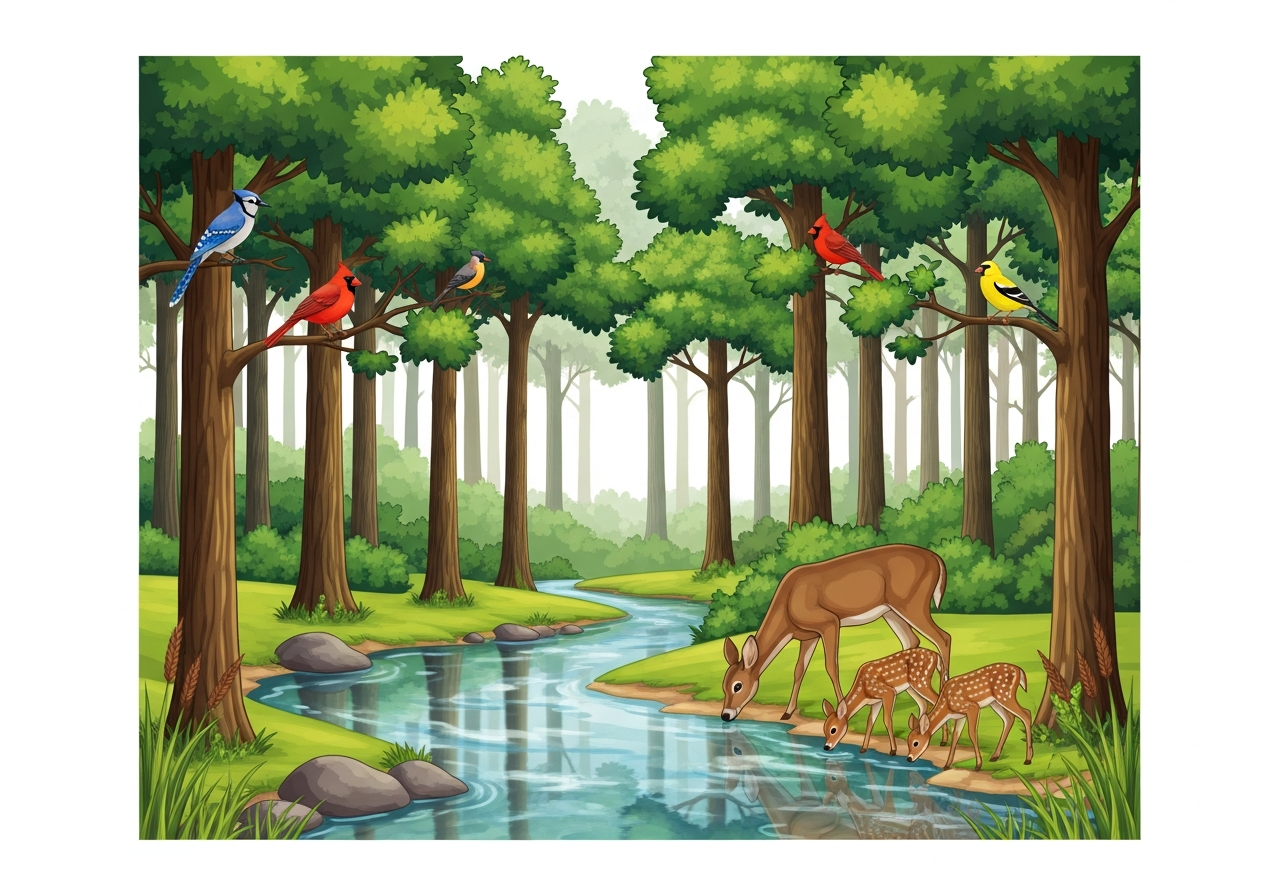
Conservation is not about cutting down trees or throwing things away it is about making smart choices that protect our planet every single day.

How Humans Affect the Environment

Human activities can harm the environment in many ways. When forests are cleared to build roads and buildings, animals lose their homes this is called habitat loss, and it is one of the biggest reasons why many animals become endangered. You have already explored Environmental Changes and Local Ecosystem Effects, so you know how quickly ecosystems can be damaged.

Pollution from factories and vehicles fills the air with harmful smoke. Chemicals and trash dumped near water sources poison rivers, lakes, and oceans. Oil spills coat birds' feathers and sea animals' fur, making it impossible for them to stay warm or find food. Understanding Resource Use and Effects on the Environment helps you see why protection strategies are so important.

The Three R's: Reduce, Reuse, Recycle

One of the most powerful ways you can protect the environment is by following the three R's.

Reducing means using less of something so that less waste is created like turning off lights to save electricity. Reusing means using something again instead of throwing it away like refilling a water bottle instead of buying a new plastic one. Recycling turns used materials like paper, plastic, and cans into new products, which means less trash goes to landfills and fewer natural resources are used up.

There is also a fourth powerful action: composting. Composting turns food scraps and yard waste into rich, healthy soil that helps plants grow better. It reduces landfill waste and improves gardens without using chemical fertilizers.

Protecting Natural Resources

Earth's natural resources need your protection. Clean air is protected when pollution from vehicles and factories is reduced choosing to walk, bike, or use public transport instead of driving creates less pollution and uses less fuel. Soil stays healthy when you avoid chemicals and plant cover crops to hold it in place.

Fresh water is a limited resource shared by humans, animals, and plants. You can save water by turning off the faucet while brushing your teeth and fixing leaks at home. You learned more about this in Water Conservation: Importance and Methods. Forests are preserved by limiting logging and replanting trees trees absorb harmful gases, produce clean oxygen, prevent soil erosion, and give animals places to nest and hide.

Wildlife and Habitat Protection

When a species is called endangered, it means there are very few of that animal or plant left in the world and it could disappear forever this is called extinction. Habitat destruction is one of the leading causes of species becoming endangered. Protecting natural habitats and creating laws against hunting gives endangered species the chance to recover.

Nature reserves and wildlife sanctuaries are specially protected areas where wild animals and plants can live safely without being hunted or disturbed. National parks are large areas of land protected by the government where wildlife and natural landscapes are kept safe from development. These protected spaces help endangered species survive and keep ecosystems balanced. You can connect this to Habitat Protection and Conservation Methods as you continue learning.

Bees and other pollinators are especially important to protect because they transfer pollen between flowers, allowing plants to produce fruits, vegetables, and seeds that feed both people and wildlife. Wetlands like swamps and marshes also need protection they filter dirty water and provide homes for fish, birds, frogs, and many other animals.

What You Can Do Every Day

You can make a real difference with small actions at home and at school. Turn off lights and water when they are not being used to save energy and reduce waste. Avoid littering in parks and natural areas litter can injure animals that eat or get tangled in trash, and plastic takes hundreds of years to break down. Use reusable bags instead of plastic bags to reduce waste that harms oceans and wildlife.

Starting a school recycling program, creating a community garden, and composting food scraps are all powerful ways to protect the environment. Learning about conservation now helps you build good habits that protect Earth for life. This connects to your study of Stewardship and Taking Care of the Environment.

Key Terms and Definitions

Conservation: Conservation means carefully protecting and saving animals, plants, and the places where they live so they remain available for future generations. When you practice conservation, you help keep Earth healthy for all living things.

Reducing: Reducing means using less of something so that less waste is created overall. For example, turning off lights when you leave a room reduces the electricity you use.

Reusing: Reusing means using an item again instead of throwing it away after one time. For example, refilling a water bottle instead of buying a new plastic one is reusing.

Composting: Composting is the process of collecting food scraps and yard waste and letting them break down naturally into nutrient-rich soil that helps plants grow. It reduces landfill waste and is a great way to recycle nature's own materials.

Conserving: Conserving means protecting resources by using them wisely so there is enough for everyone now and in the future. Conserving water, energy, and forests are all important ways to protect the planet.

Endangered: An endangered species is one whose population has dropped so low that it is at risk of disappearing forever. Being endangered is about how few of that animal or plant are left alive in the world.

Habitat Loss: Habitat loss happens when human activities like clearing forests or draining wetlands destroy the places where animals live, find food, and raise their young. It is one of the leading causes of species becoming endangered.

Pollution: Pollution happens when harmful substances like smoke, chemicals, or trash enter the environment and make it unsafe for living things. Factory smoke, chemicals in rivers, and plastic in oceans are all examples of pollution.

Nature Reserve / Wildlife Sanctuary: A nature reserve is a special protected area set aside where animals and plants are kept safe from hunting, building, and other human activities. These spaces help endangered species survive.

National Park: A national park is a large area of land protected by the government where wildlife and natural landscapes are preserved and kept safe from development and hunting.

Recycling: Recycling means turning used materials like paper, plastic, and cans into new products so that less trash ends up in landfills and fewer natural resources need to be used.

Wetlands: Wetlands are areas like swamps and marshes that act like natural water filters, removing pollutants from water and providing critical habitat for fish, birds, frogs, and many other species.

Practice Activities for Conservation and Protection

You can practice what you have learned by trying these activities at home or at school. Start a compost bin with food scraps like fruit peels and vegetable trimmings and watch them turn into rich soil. Make a checklist of ways your family can reduce, reuse, and recycle every day.

Research an endangered animal and find out what is being done to protect its habitat. You can also explore Sustainable Practices and Resource Management Strategies to discover even more ways people protect the environment. Try going one week without using single-use plastic bags and see how it feels to make a difference.

Building on What You Already Know

You are ready for this topic because you have already learned important foundational ideas. Your knowledge of Natural Resources: Renewable vs. Non-Renewable helps you understand which resources need the most protection. Your study of Sustainable Methods and Traditional Conservation shows you that people have been protecting nature for a very long time.

Understanding Ecosystem Components: Living and Non-Living Elements and Food Webs and Interconnected Food Chains helps you see why protecting one part of nature protects everything connected to it. This topic also prepares you for Environmental Science and Human Effects on Ecosystems and Indigenous Science and Traditional Ecological Knowledge.

Related Topics and Connections

This topic connects to many other important science ideas. You explored Traditional Practices, Resource Management, and Sustainable Practices and Environmental Knowledge and Local Ecosystem Understanding, which show how communities around the world protect nature using both modern and traditional methods.

Understanding Communities and Interaction Between Populations, Population Dynamics and Groups of Organisms, and Trophic Levels: Producers, Consumers, and Decomposers helps you see how every living thing in an ecosystem depends on others and why protecting habitats protects entire food webs. Your study of Energy Transfer from Producer to Consumer also shows why keeping ecosystems intact matters for all living things.

As you move forward, you will build on these ideas in Resource Use: Renewable and Non-Renewable Resources and Cultural Practices and Sustainable Resource Management, where you will discover even more ways humans can live in harmony with nature.