TOPIC

Stewardship, Taking care of environment

MY PROGRESS

Pug Score

0%

Best Streak

0 in a row

Study Points

+0

Overview

Practice

Read

Quiz

Next Steps


Get Started

Get unlimited access to all videos, practice problems, and study tools.

Unlimited practice
Full videos

Back to Menu

Topic Progress

Pug Score

0%

Best Practice

No score

Read

Not viewed

Best Quiz

No attempts


Best Streak

0 in a row

Study Points

+0

Read

Be a Steward: Take Care of the Earth!

You will learn how to take care of the Earth by making smart choices that protect air, water, animals, and natural resources.

What Is Environmental Stewardship?

Being a good steward of the environment means you take care of the Earth and everything living on it. You make choices that keep the air, water, soil, and animals healthy. Every small action you take can make a big difference for the planet.
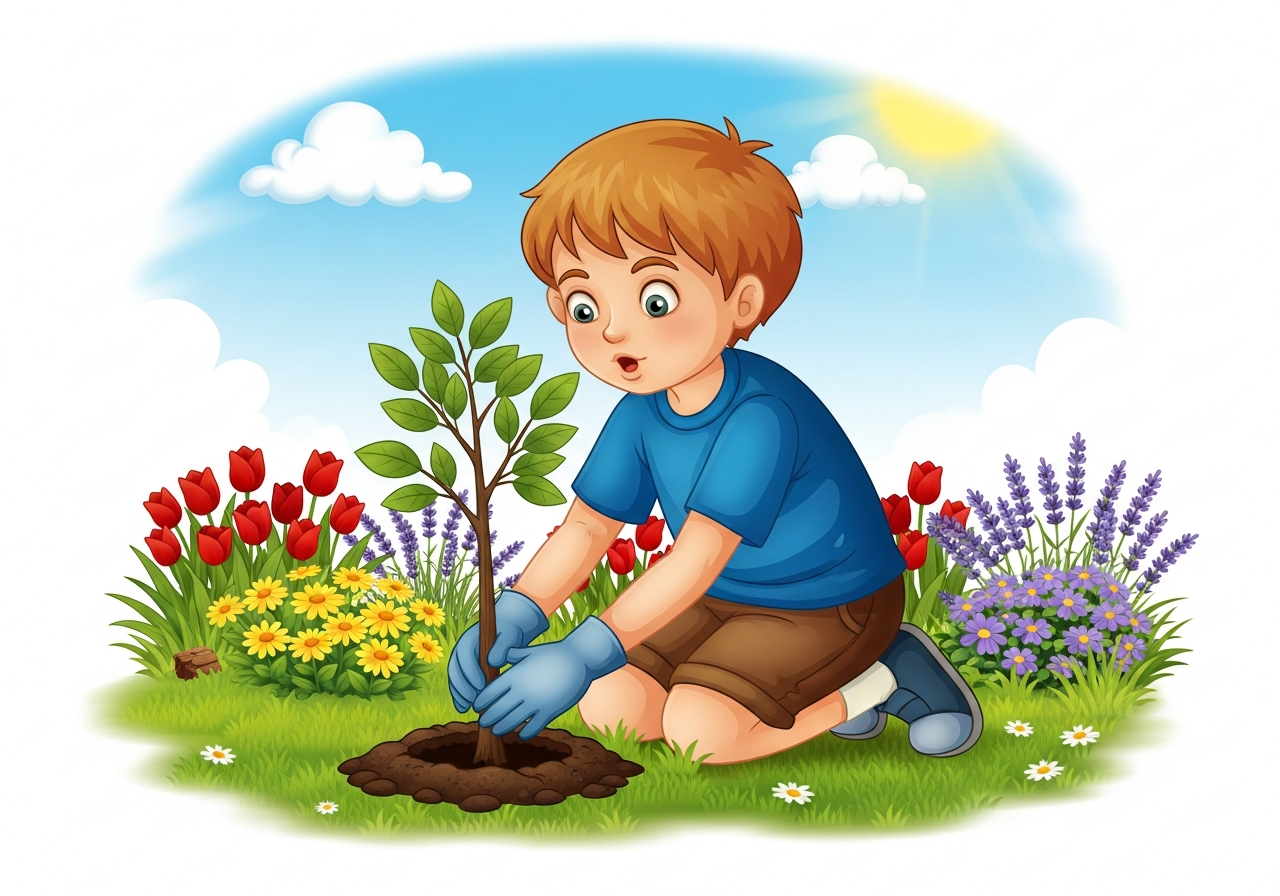
When you protect the Earth, you help make sure that future children will also have a clean and healthy world to live in. Stewardship is everyone's responsibility including yours!

Reduce, Reuse, and Recycle

You can help the environment by following the three Rs: Reduce, Reuse, and Recycle. These three actions help you make less waste and use fewer natural resources.

Reduce means you use less of something so less waste is made. For example, you can use both sides of a piece of paper before recycling it. Reuse means you find a new use for something instead of throwing it away like turning an old jar into a pencil holder. Recycle means you turn old materials like paper, plastic bottles, and aluminum cans into new useful products, keeping them out of landfills.

Saving Energy and Water

You can save energy at home by turning off lights when you leave a room and unplugging chargers you are not using. Most electricity is made by burning natural resources, so using less electricity helps protect the environment and reduces air pollution.

Clean water is a limited resource that every living thing needs to survive. You can save water by turning off the faucet while brushing your teeth and fixing leaky faucets quickly. Every drop of water you save helps protect this important natural resource.

Protecting Animals and Their Habitats

Animals need clean, safe places to live. A habitat is where an animal finds everything it needs to survive, including food, water, and shelter. When humans cut down too many trees or pollute the water, animals lose their homes and food sources.

When too many animals disappear from the Earth, they become endangered. An endangered animal is one whose population has dropped so low that it could disappear from Earth forever. Conservation means people work together to protect animals and keep their habitats healthy. Special places called nature reserves are set aside to protect wild animals and plants in their natural habitat.

Pollution and How You Can Help

Pollution happens when harmful things enter the air, water, or soil. Burning large piles of leaves and garbage creates air pollution that is unhealthy to breathe. Cars that burn gasoline also release harmful gases into the air.

You can help reduce pollution by picking up litter near beaches and waterways, avoiding pouring chemicals down drains, and choosing to walk or ride a bike instead of riding in a car. Litter that reaches rivers and oceans can make fish and other water animals very sick.

How Plants Help the Environment

Plants are amazing helpers for the Earth! Through a process called photosynthesis, plants take in carbon dioxide and release fresh oxygen into the air. This keeps the air clean and healthy for people and animals to breathe.

Planting trees in your neighborhood gives animals a safe home, provides shade, and cleans the air around you. Protecting forests is one of the most powerful ways to care for the environment.

Composting and Healthy Soil

You can help the environment by starting a compost pile with fruit peels, vegetable scraps, and dry leaves. Composting turns food scraps into rich soil that helps plants grow. It also keeps food waste out of landfills.

Healthy soil is full of tiny living things that help plants absorb water and nutrients. Adding compost to soil keeps it rich and healthy so plants can grow well.

Key Terms and Definitions

Stewardship: Stewardship means you take responsibility for protecting and caring for the Earth and its resources, making choices that keep the environment healthy for all living things.

Habitat: A habitat is the place where an animal lives and finds everything it needs to survive, including food, water, and shelter. For example, a forest is the habitat for many birds and deer.

Endangered: When an animal is endangered, there are very few of that animal left on Earth and it could disappear forever. Habitat loss and pollution are common reasons animals become endangered.

Conservation: Conservation means people work together to protect animals, plants, and natural places so they stay healthy and safe for the future.

Pollution: Pollution happens when harmful substances like trash, chemicals, or smoke enter the air, water, or soil and make them dirty and unsafe for living things.

Reduce: Reduce means you use less of something so that less waste is made. Using both sides of paper before recycling it is a great example of reducing.

Reuse: Reuse means you find a new purpose for something instead of throwing it away, like using a reusable bag or turning an old jar into a pencil holder.

Recycle: Recycle means you turn used materials like paper, plastic bottles, and glass into new useful products so they stay out of landfills.

Landfill: A landfill is a large area of land where trash is buried. Landfills take up space and can pollute the soil and water nearby.

Compost: Compost is a mixture of food scraps and yard waste like fruit peels and dry leaves that breaks down naturally into rich soil to help plants grow.

Natural Resources: Natural resources are things found in nature that living things need, like clean water, clean air, soil, and trees. It is important to use them carefully so they do not run out.

Nature Reserve: A nature reserve is a protected area set aside by people so that wild animals and plants can live safely without being disturbed by building or farming.

Carbon Dioxide: Carbon dioxide is a gas that people and animals breathe out. Plants take in carbon dioxide and use it to make food and release oxygen through photosynthesis.

Oxygen: Oxygen is the gas in the air that you need to breathe to stay alive. Plants release oxygen when they make their food through photosynthesis.

Ways You Can Practice Stewardship Every Day

You can be a steward of the environment starting today! Here are some simple actions you can take at home, at school, and in your community.

  • Turn off lights and unplug chargers when you are not using them to save energy.
  • Turn off the faucet while brushing your teeth to save clean water.
  • Pick up litter and put it in a trash can to keep the environment clean.
  • Bring your lunch in a reusable bag or container instead of a plastic bag.
  • Use both sides of paper before recycling it to reduce waste.
  • Help plant trees or start a compost pile with fruit peels and vegetable scraps.
  • Remind your classmates to turn off computers and lights when they are finished using them.

Every action you take adds up. When your whole community works together to care for the Earth, you can make a very big difference!

Building Your Knowledge of Human Impact

This topic is part of a bigger chapter called Human Impact. As you learn about stewardship and taking care of the environment, you are building important science skills that help you understand how human choices affect the natural world.

You are learning that every person including you has the power to help protect the Earth. The choices you make every day, like saving water, reducing waste, and protecting animals, are all part of being a responsible steward of the environment.

Related Topics and Connections

The topic of stewardship connects to many important ideas in science. As you continue learning, you will explore more about how living things depend on a healthy environment to survive. Understanding stewardship helps you see why protecting habitats, reducing pollution, and conserving natural resources are so important for all living things on Earth.

Keep exploring science topics to discover more about how the natural world works and how you can help protect it for the future!