TOPIC

Conservation, Sustainable practices

MY PROGRESS

Pug Score

0%

Getting Started

"Let's build your foundation!"

Best Streak

0 in a row

Study Points

+0

Overview

Practice

Watch

Read

Quiz

Next Steps


Get Started

Get unlimited access to all videos, practice problems, and study tools.

Unlimited practice
Full videos

BACK TO MENU

Topic Progress

Pug Score

0%

Getting Started

"Let's build your foundation!"

Videos Watched

0/0

Best Practice

No score

Read

Not viewed

Best Quiz

No attempts


Best Streak

0 in a row

Study Points

+0

Overview

Practice

Watch

Read

Quiz

Next Steps

Read

Conservation and Sustainable Practices: Protect Our Planet Every Day!

You will learn about conservation and sustainable practices, exploring how to use Earth's natural resources wisely so they are available for everyone in the future.

What Is Conservation?

Conservation means carefully saving and protecting natural resources so they are not wasted or destroyed. When you practice conservation, you help make sure nature stays healthy for animals, plants, and people. You can start conserving resources right at home and at school!
You have already learned about Conservation: Reducing, Reusing, and Recycling, which is a great foundation for understanding sustainable practices. You also know about Human Impact and the Effects of Human Activity, which shows why conservation is so important.

What Are Natural Resources?

Natural resources are things found in nature that living things need to survive. Clean water from rivers, sunlight, soil, trees, and air are all natural resources. These resources are not made by people they come directly from the natural world.

Some natural resources are renewable, meaning they can be replaced naturally. Sunlight that shines every single day is a great example of a renewable resource. You can learn more about this by exploring Natural Resources: Renewable vs. Non-Renewable.

Other resources, like coal, oil, and gas, are non-renewable. They take millions of years to form and can be used up. When you burn gasoline to make a car move, you are using a non-renewable resource.

What Are Sustainable Practices?

A sustainable practice means using resources carefully so there is enough left for the future. Using resources too fast or throwing them away wastes them and harms the environment. You can practice sustainability every single day!

Here are some sustainable practices you can try:

  • Reduce: Use less of something so less is wasted. For example, use both sides of a piece of paper at school.
  • Reuse: Use the same item more than once. Fill a water bottle again instead of buying a new one.
  • Recycle: Turn old materials like paper, plastic, and glass into new useful things.
  • Compost: Put food scraps in a compost bin to make rich soil that helps plants grow.

How You Can Protect Natural Resources

You can protect water by turning off the tap while brushing your teeth. This saves gallons of clean water every day! Clean water is a limited and precious resource that people, animals, and plants all need.

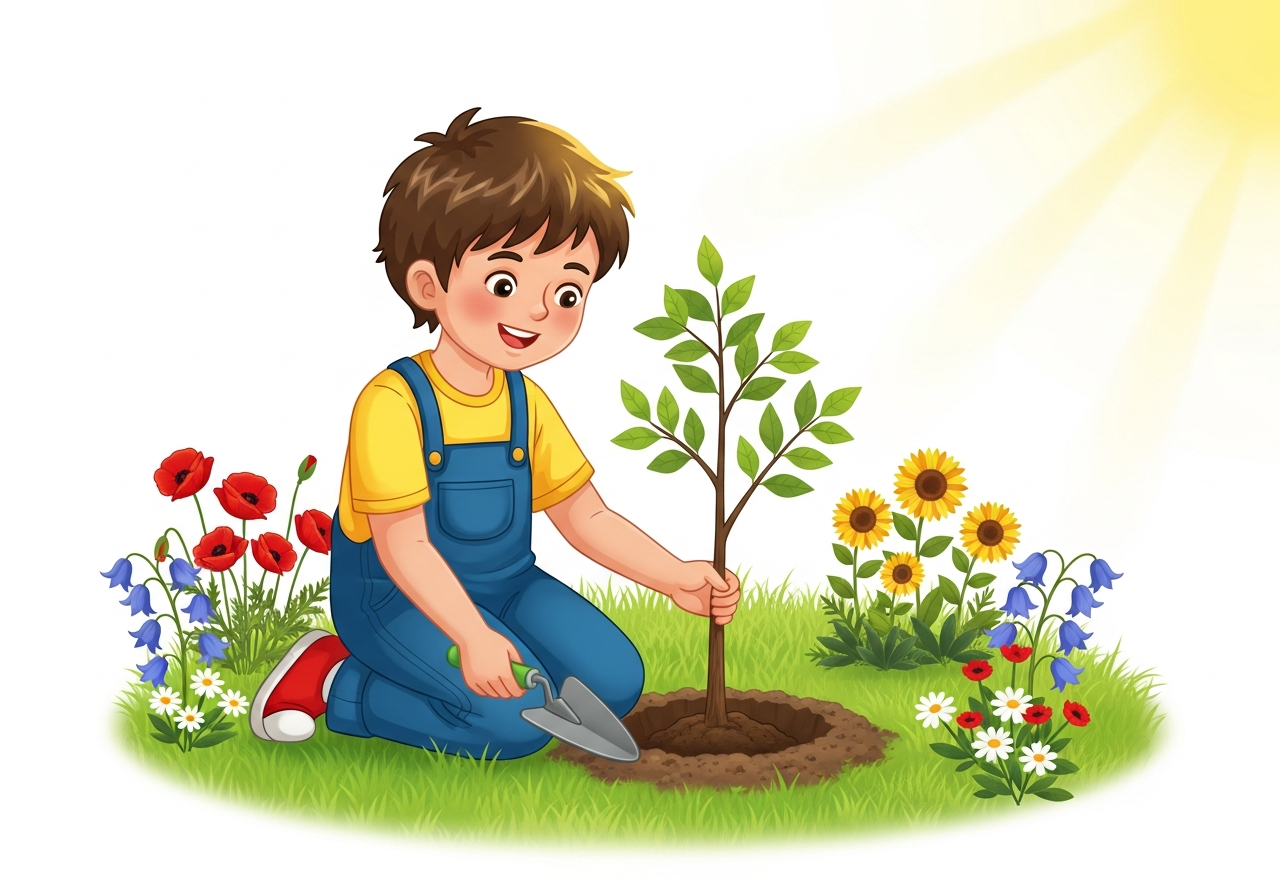
You can protect forests by planting new trees to replace old ones. Trees give animals homes and clean our air by absorbing carbon dioxide and releasing fresh oxygen. Cutting down too many trees makes animals lose their homes and habitats disappear.

You can save energy by turning off lights when leaving a room and unplugging chargers when they are not being used. Riding a bike instead of driving a car also helps reduce air pollution. These small actions add up to big changes for the environment!

Keeping plastic trash away from the ocean protects sea animals like turtles, fish, and dolphins. Picking up litter at a park or beach is a great conservation action. When you pick up trash, you are being a good steward of the Earth.

Explore how your actions affect the world around you with Environmental Changes: Local Ecosystem Effects and learn about Stewardship: Taking Care of the Environment.

Traditional and Sustainable Resource Use

Many communities have used sustainable practices for a very long time. You learned about Indigenous Practices and Local Traditional Ecological Knowledge and Cultural Uses: Traditional Uses of Plants and Animals. These traditions teach us smart ways to care for nature.

Farmers can practice sustainable farming by rotating crops to keep the soil healthy. Healthy soil helps grow the food you eat every day! You can discover more about these ideas in Seasonal Practices: Traditional Resource Use and Sustainable Methods: Traditional Conservation.

Key Terms and Definitions

Conservation: Conservation means carefully saving and protecting natural things so they are not wasted or destroyed. For example, turning off the tap saves water through conservation.

Natural Resource: A natural resource is something found in nature that living things need, like water, air, soil, trees, and sunlight. These are not made by people.

Sustainable Practice: A sustainable practice means using resources in a way that does not run out, so there is enough for the future. Composting and recycling are sustainable practices.

Reduce: Reduce means using less of something so less is wasted. When you use both sides of paper, you reduce paper waste.

Reuse: Reuse means using the same item more than once instead of throwing it away. Filling a water bottle again instead of buying a new one is reusing.

Recycle: Recycling is the process of turning old materials like paper, plastic, and glass into new useful products. Recycling reduces waste and helps conserve natural resources.

Compost: Composting means putting food scraps like fruit peels into a compost bin so they turn into rich soil that helps plants grow.

Renewable Resource: A renewable resource is one that can be naturally replaced and will not run out. Sunlight that shines every day is a renewable resource.

Non-Renewable Resource: A non-renewable resource takes millions of years to form and can be used up. Coal, oil, and gas are non-renewable resources.

Pollution: Pollution means adding harmful substances to air, water, and soil, making them dirty and unhealthy for living things. Litter and car exhaust are forms of pollution.

Habitat: A habitat is the natural home where animals live. Protecting a habitat means keeping that environment safe, clean, and undisturbed.

Endangered: An endangered plant or animal has numbers so low it might disappear forever. Conservation efforts work to protect endangered species.

Stewardship: Stewardship means taking care of nature and leaving places better than you found them. Picking up litter on a nature trail is an act of stewardship.

Soil: Soil is an important natural resource because plants grow in it, and those plants provide food for humans and animals. Healthy soil helps grow the food you eat daily.

Activities to Practice Conservation

You can start a compost bin at home with food scraps like vegetable peels and fruit pieces. You can also challenge yourself to use both sides of every piece of paper at school. Try turning off lights every time you leave a room this week!

Look around your neighborhood for litter you can pick up safely with an adult. You can also learn about Water Conservation: Importance and Methods to find even more ways to save water every day.

Building on What You Already Know

You have already explored important ideas that connect to this topic. Your knowledge of Conservation: Reducing, Reusing, and Recycling helps you understand sustainable practices. You also know about Human Impact and the Effects of Human Activity, which explains why we need to conserve resources.

This topic prepares you for even more exciting learning ahead! You will soon explore Conservation: Protection Strategies, Resource Use: Effects on the Environment, Traditional Practices: Resource Management and Sustainable Practices, and Environmental Knowledge: Local Ecosystem Understanding.

Related Topics and Connections

Conservation and sustainable practices connect to many other important science topics. Here is how they all fit together: