Topic
Sustainable Methods, Traditional conservationMy Progress
Pug Score
0%
Getting Started
Let's build your foundation!
Best Streak
0 in a row
Study Points
+0
Overview
Practice
Watch
Read
Quiz
Next Steps
Back to Menu
Topic Progress
Pug Score
0%
Getting Started
"Let's build your foundation!"
Videos Watched
0/0
Best Practice
No score
Read
Not viewed
Best Quiz
No attempts
Best Streak
0 in a row
Study Points
+0
Overview
Practice
Watch
Read
Quiz
Next Steps
Read
Discover Traditional Conservation and Sustainable Methods
You will learn how traditional communities use special methods passed down through generations to protect nature and use resources in a sustainable way.
What Is Traditional Knowledge?
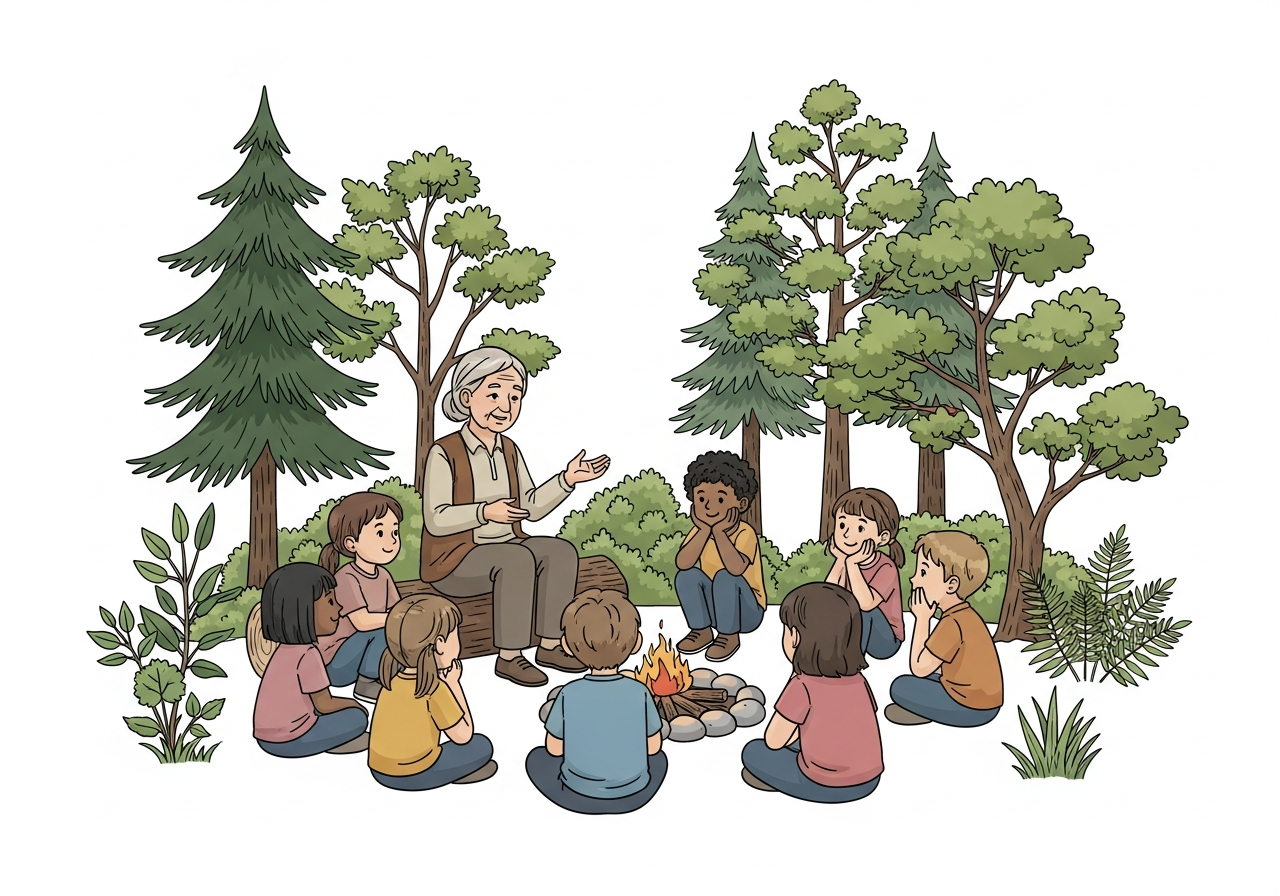
Traditional knowledge is wisdom that has been shared from grandparents to parents to children over many, many years. It includes special ways of living, caring for nature, and growing food that communities have learned over a very long time. You can find this knowledge in stories, songs, and daily practices not in textbooks or labs.
When you learn about traditional knowledge, you discover that communities around the world have always known how to take care of the natural world. This wisdom helps people and nature live together in balance.
What Does Sustainable Mean?
Sustainable means using nature in a way that lets it keep growing and stay healthy. When you use something sustainably, you take only what you need and allow it to grow back. This means future children will also have enough food, water, and clean air.
Traditional communities have practiced sustainable living for thousands of years. They learned that if you take too much, nature cannot recover. Being in balance with nature means people take only what they need and let nature rest and grow again.
What Is Conservation?
To conserve something in nature means to protect and take care of it so it stays healthy and does not disappear. When you conserve nature, you make sure plants, animals, water, and land are not destroyed. Traditional communities have always been stewards of the land meaning they take responsibility for caring for and protecting the natural world.
Conservation is not about using things up quickly or throwing them away. It is about keeping nature safe so it is available for future generations.
Traditional Sustainable Methods You Should Know
Traditional communities use many clever methods to keep nature healthy. Here are some important ones you will learn about:
Crop Rotation means growing different crops in the same field in different seasons or years. Different plants add different nutrients back to the soil, keeping it rich and healthy for the next crop.
Fallowing means leaving fields empty for a season so the soil can rest and recover its nutrients naturally. This keeps land productive for many generations without using chemical fertilizers.
Intercropping means planting different crops together in the same field. Different plants help keep the soil healthy and full of good nutrients, and they also reduce pests.
The Three Sisters is a traditional Indigenous farming method where corn, beans, and squash are planted together. The corn grows tall for the beans to climb, the beans add nutrients to the soil, and the squash leaves shade the ground to keep moisture in.
Rainwater Harvesting means building small ponds or channels to collect and store rainwater for later use. This sustainable practice ensures communities have water even when it does not rain for a long time.
Agroforestry means growing trees with crops. Trees provide shade, block wind, and add nutrients to the nearby soil, helping crops grow well without chemicals.
Controlled Burning is when traditional communities carefully burn small patches of land to clear old plants and add nutrients to the soil to help new growth. This also reduces the risk of large, uncontrolled wildfires.
Terracing means building small stone walls along hillsides to grow food. The walls slow down water and stop good soil from washing away downhill, keeping fertile soil in place.
Protecting Animals and Forests
Traditional communities also protect animals and forests in special ways. Many communities have rules about how many animals can be hunted so that animal populations stay large enough to survive and grow. Some communities only fish during certain seasons so fish can grow and reproduce.
Many traditional communities designate sacred areas of forest that must never be disturbed or cut. These sacred groves give wildlife safe places to live and allow the forest to grow without being disturbed. This traditional conservation method helps keep biodiversity strong and forests healthy.
Traditional communities also show respect for the animals they hunt by using every part of the animal and wasting as little as possible. Many communities recognize that certain animals, like bees, earthworms, and birds, play important roles in keeping the local environment healthy.
Seed Saving and Plant Medicine
Traditional farmers save seeds from their best plants each year. Saved seeds grow into strong plants that are well suited to local conditions. This practice keeps plant diversity alive and ensures communities have food even if one crop fails. A seed bank is a safe place where traditional farmers store seeds to protect plant diversity.
Traditional communities have also long known that many plants found in nature can help heal sickness and keep people healthy. This traditional plant medicine knowledge has even helped modern scientists develop new treatments.
Passing Down Traditional Knowledge
It is important for you to learn traditional conservation knowledge from elders so that helpful ways of caring for nature are not lost or forgotten. When elders share traditional knowledge with younger generations, important practices for caring for nature are kept alive.
Traditional stories and songs carry important lessons about living respectfully with nature. You can help keep traditional conservation knowledge alive by listening to elders and sharing what you learn with your friends and family.
Modern scientists and traditional knowledge holders can also work together by combining old wisdom with new research to find the best solutions for nature. Neither approach alone is as powerful as both working together.
Key Terms and Definitions
Traditional Knowledge: Wisdom, practices, and skills that communities pass down from grandparents to parents to children over many generations. You find this knowledge in stories and daily life, not in textbooks.
Sustainable: Using nature in a way that lets it keep growing and stay healthy. When you use something sustainably, you take only what you need and allow it to recover and grow back.
Conservation: Protecting and taking care of nature so it stays healthy and does not disappear. When you conserve nature, you keep plants, animals, water, and land safe for future generations.
Crop Rotation: A traditional farming method where you grow different crops in the same field in different seasons or years to keep the soil healthy and full of nutrients.
Fallowing: Leaving fields empty for a season so the soil can rest and recover its nutrients naturally. This is a sustainable method that keeps land productive for many generations.
Intercropping: Planting different crops together in the same field so that different plants help each other grow strong and healthy and keep the soil rich.
Three Sisters: A traditional Indigenous farming method where corn, beans, and squash are planted together to help each other thrive. Each plant helps the others grow better.
Rainwater Harvesting: Building small ponds or channels to collect and store rainwater for later use. This sustainable practice makes sure communities have water even during dry seasons.
Agroforestry: Growing trees with crops so that trees provide shade, block wind, and add nutrients to the nearby soil, helping crops grow well without chemicals.
Controlled Burning: A traditional land management method where small patches of land are carefully burned to clear old plants and add nutrients to the soil to help new growth.
Terracing: Building small stone walls along hillsides to grow food. The walls slow down water and stop good soil from washing away downhill.
Stewardship: Taking responsibility for caring for and protecting the natural world, not for personal gain but for the health of the whole community and future generations.
Biodiversity: The many different kinds of plants and animals living together in an environment. Traditional conservation methods help keep biodiversity strong and healthy.
Sacred Groves: Special areas of forest that traditional communities protect and never disturb or cut. These protected areas give wildlife safe homes and allow forests to stay strong.
Seed Bank: A safe place where traditional farmers store seeds to protect plant diversity and make sure communities have food even if one crop fails.
Pollinator: An animal like a bee that helps plants reproduce by moving pollen from one flower to another. Traditional communities have always worked to protect pollinators.
Practice What You Have Learned
You can practice identifying traditional conservation methods by looking at examples around you. Think about how farmers in your community care for the land. Do they rotate crops, save seeds, or plant trees near their fields?
You can also practice by listening to stories from elders in your family or community. Ask them what traditional methods they know for caring for nature. Then share what you learn with your friends and family to help keep this important knowledge alive.
As you explore Traditional Practices, Resource Management, and Sustainable Practices, you will build on everything you have learned here about traditional conservation methods.
Building Your Knowledge
This topic is a great starting point for your learning journey about traditional knowledge and sustainability. You do not need any previous topics to begin you can start learning right here!
After you finish this topic, you will be ready to explore more about how traditional communities manage resources and practice sustainability in Traditional Practices, Resource Management, and Sustainable Practices. That topic will build on everything you have learned here.
Related Topics and Connections
After you master sustainable methods and traditional conservation, you will be ready to go deeper into how traditional communities manage their resources. In Traditional Practices, Resource Management, and Sustainable Practices, you will explore more ways that traditional communities use their knowledge to manage land, water, and living things in a sustainable way.
The skills and ideas you learn here like understanding what sustainable means, how conservation works, and why traditional knowledge matters will prepare you perfectly for that next step in your learning journey.