Topic
My Progress
Pug Score
0%
Best Streak
0 in a row
Study Points
+0
Overview
Practice
Watch
Read
Quiz
Next Steps
Overview
Practice
Watch
Read
Quiz
Next Steps
Read
Discover How Plants and Animals Are Used in Traditional Ways!
You will learn how people use plants and animals in traditional ways that families have shared for many generations, including healing, food, and making useful items.
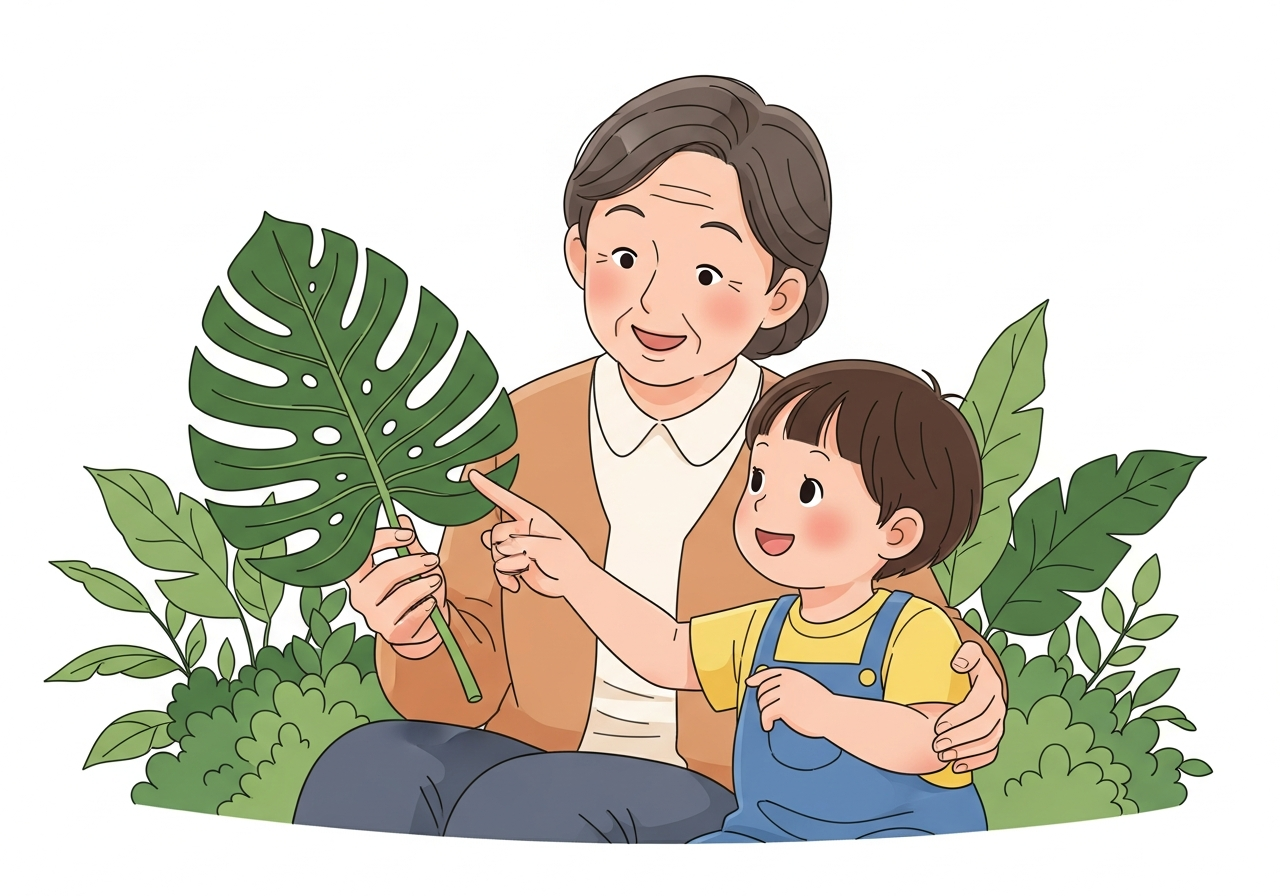
You can learn how people use plants and animals in special ways that have been shared for a very long time. Families pass down this knowledge from grandparents to parents to children, generation after generation.
This is called traditional knowledge. It helps you understand how nature provides everything people need to live well. You can explore Indigenous Practices and Local Traditional Ecological Knowledge to learn even more about these special traditions.
How Plants Are Used for Healing
You might be surprised to learn that many plants can help people feel better when they are sick or hurt! Families have known about healing plants for hundreds of years.
Here are some plants used for healing:
- Mint leaves You can make mint tea to help with tummy aches and sore throats.
- Aloe plant The gel inside aloe leaves helps heal scrapes and burns on your skin.
- Willow bark People use willow bark to help with headaches.
- Oak leaves Oak leaves can help with itchy skin.
- Pine needles You can make pine needle tea to help when you feel sick.
When you learn about Plant Parts and the Functions of Roots, Stems, Leaves, and Flowers, you will understand why different parts of a plant can help in different ways.
How Plants Are Used for Food
You can find food in nature if you know which plants are safe to eat. Families teach children which berries, roots, and plants are good to eat and which ones to avoid.
One special food tradition is collecting maple sap from maple trees. You can boil the sap to make sweet maple syrup! Many families have shared this tradition for generations. You can also learn about Basic Resources and Common Natural Resources to see how plants provide food and other important things.
How Plants Are Used to Make Things
Plants give you natural materials to make many useful items. Here are some examples:
- Baskets You can weave tall grasses, reeds, or willow branches into baskets to carry and store things.
- Musical instruments You can carve wood from a maple branch to make a flute that makes beautiful sounds.
- Natural dyes You can use blueberries to make purple color on cloth or baskets.
- Containers You can use birch bark to make containers for carrying things.
- Sleeping mats You can weave palm leaves into mats for sleeping or sitting.
- Soap Yucca roots can be used to make soap for cleaning.

How Traditional Knowledge Is Shared
Traditional knowledge is passed down when older family members teach younger ones. You might learn from a grandmother, grandfather, aunt, or uncle who knows about plants and animals.
This sharing of knowledge helps keep important traditions alive. When you learn these skills, you can one day teach them to others too! You can explore Local Knowledge and Traditional Uses of Plants and Animals to discover more about how communities share what they know.
Key Terms and Definitions
Traditional Knowledge: Traditional knowledge is the special information that families and communities have learned and shared for many, many years. You receive this knowledge from older family members who learned it from their grandparents.
Healing Plants: Healing plants are plants that help people feel better when they are sick or hurt. You can use parts of these plants, like leaves, bark, or roots, to make teas or treatments.
Mint Leaves: Mint leaves come from the mint plant and have a fresh smell. You can use mint leaves to make tea that helps with tummy aches and sore throats.
Aloe Plant: The aloe plant has thick leaves filled with a cool, clear gel. You can use this gel to help heal scrapes and burns on your skin.
Willow Bark: Willow bark is the outer covering of a willow tree. You can use willow bark to help with headaches, and many families have known this for generations.
Maple Sap: Maple sap is the liquid that flows inside maple trees. You can collect this sap and boil it down to make sweet maple syrup that you can eat.
Natural Dye: A natural dye is a color made from plants, berries, or other things found in nature. You can use blueberries to make a purple natural dye for coloring cloth or baskets.
Basket Weaving: Basket weaving is the skill of making baskets by crossing plant materials like grasses, reeds, or branches over and under each other. You can use baskets to carry and store things.
Reeds: Reeds are tall plants that grow near water. You can use reeds to weave baskets and other useful items, just like many families have done for generations.
Birch Bark: Birch bark is the outer covering of a birch tree. You can use birch bark to make containers and even small boats called canoes because it is waterproof and flexible.
Generation: A generation is a group of people who are born and live around the same time, like you and your classmates. When knowledge is passed down through generations, grandparents teach parents, and parents teach children.
Yucca Root: A yucca root is the underground part of the yucca plant. You can use yucca roots to make soap for cleaning, which is a traditional use many families have known about for a long time.
Fun Ways to Learn About Traditional Plant Uses
You can look for plants in your neighborhood and ask a family member if they know any traditional uses for them. Try to find out if your family has any special plant traditions!
You can also explore Conservation: Reducing, Reusing, and Recycling to see how using natural materials from plants is a great way to take care of our Earth. Learning about Community Habitats and Local Plants and Animals will help you find plants near your home that might have traditional uses.
What You Already Know That Helps
You have already learned about Growth and Change and Basic Patterns of Growth in Plants and Animals, which helps you understand how plants grow and why different parts of a plant can be used in different ways.
You also know about Habitat Components and Food, Water, Shelter, and Space Requirements, which shows you why plants and animals are so important for living things. Your knowledge of Local Environment and Caring for Your Immediate Environment and Conservation and Basic Resource Conservation Practices helps you understand why we must use plants carefully and respectfully. You also built on what you learned in Seasonal Connections and the Cultural Significance of Seasons and Weather to understand when different plants are ready to use.
Related Topics and Connections
This topic connects to many other things you are learning about nature and living things. Here is how they all fit together:
- You learned about Living vs Non-living Things and the Characteristics That Define Life this helps you understand why plants and animals can provide so many useful things.
- You can explore Plant Classification and Major Plant Groups and Characteristics to learn about the different kinds of plants that have traditional uses.
- You can also learn about Animal Classification and Major Animal Groups and Characteristics to discover how animals are also part of traditional knowledge.
- Understanding Human Impact and the Effects of Human Activity helps you see why it is important to use plants and animals carefully.
- Next, you will learn about Seasonal Practices and Traditional Resource Use to discover how people use different plants at different times of year.
- You will also explore Sustainable Methods and Traditional Conservation to learn how traditional knowledge helps protect nature for the future.
- Learning about Stewardship and Taking Care of the Environment will show you how traditional knowledge teaches people to respect and care for nature.
- Finally, you will study Natural Resources and Renewable vs. Non-renewable Resources to understand which natural resources, like plants, can grow back when used carefully.