TOPIC

Seasonal Practices, Traditional resource use

MY PROGRESS

Pug Score

0%

Getting Started

"Let's build your foundation!"

Best Streak

0 in a row

Study Points

+0

Overview

Practice

Read

Quiz

Next Steps


Get Started

Get unlimited access to all videos, practice problems, and study tools.

Unlimited practice
Full videos

BACK TO MENU

Topic Progress

Pug Score

0%

Getting Started

"Let's build your foundation!"

Best Practice

No score

Read

Not viewed

Best Quiz

No attempts


Best Streak

0 in a row

Study Points

+0

Overview

Practice

Read

Quiz

Next Steps

Read

Discover Seasonal Practices and Traditional Resource Use

You will learn how traditional communities follow nature's seasonal cycles to use resources wisely and care for the land with respect.

What Is Traditional Knowledge?

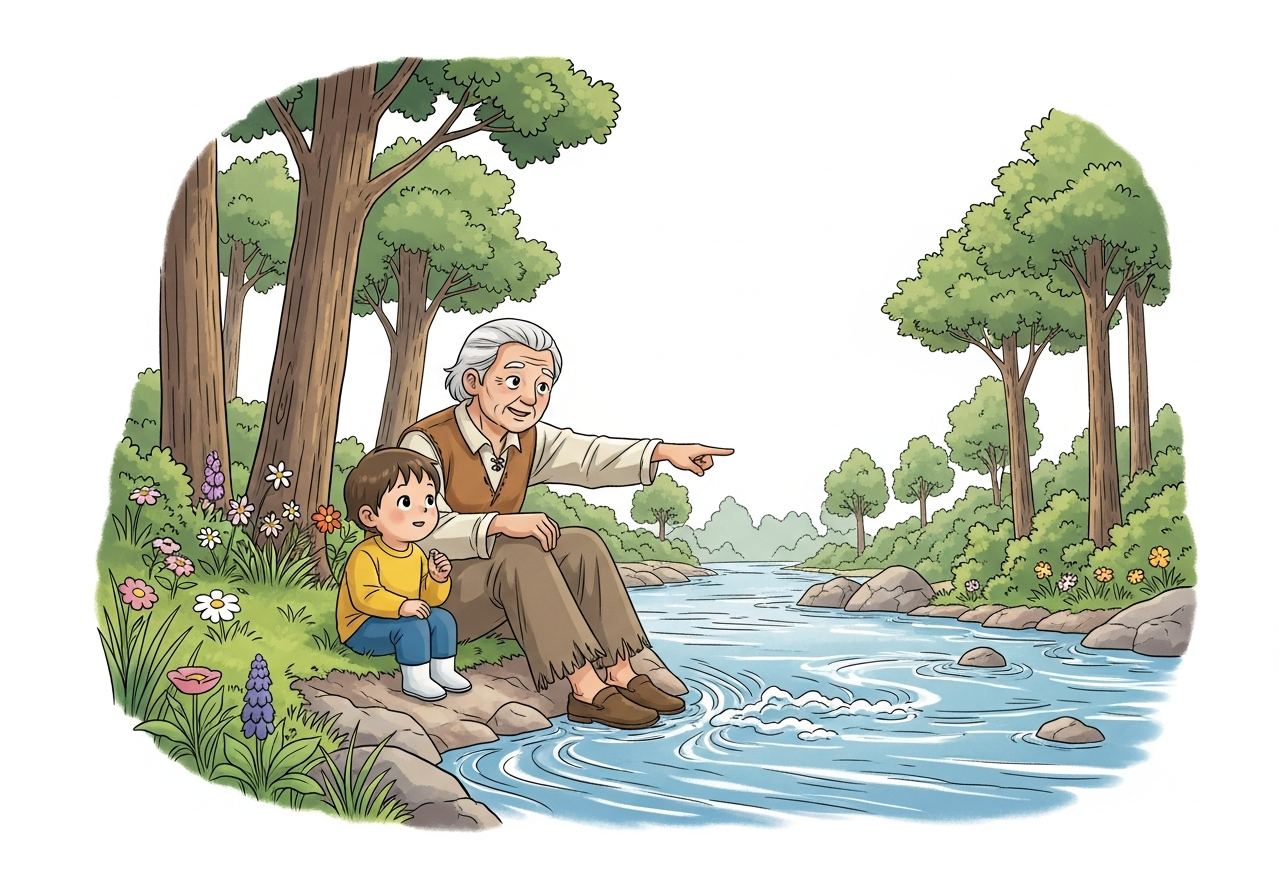
Traditional knowledge is wisdom that has been passed down from elders and ancestors over many, many generations. It is not found in books or invented in labs it comes from people living closely with nature for thousands of years. You can think of it as very old, lived knowledge that helps communities survive and thrive.

When elders say the land is alive, they mean it is a living system full of plants, animals, water, and soil that all need care. You will learn to see nature as a community of living things, not just a place to take things from.
The Four Seasons and Traditional Practices

Traditional communities follow nature's seasonal cycles to know when to use resources wisely. Each season has its own special activities that help the community stay healthy and fed all year long.

Spring

Spring is when the soil warms up and rains begin to fall. You will see certain birds return and flowers begin to bloom these are nature's signs that spring has arrived. This is the best time for planting seeds and fishing, as rivers open up and fish begin to move.

Summer

Summer is the time to gather wild plants and berries. You can watch the color and size of berries on the plants to know when they are ready to pick. Remember to leave some berries on the bush so birds and animals can eat and seeds can spread to grow new plants next year.

Autumn

Autumn, or fall, is harvest time. You will see leaves turning red and orange a sign that it is time to collect crops and store food for colder months. Many communities dry or smoke fish and preserve berries and roots to last through winter. Saving seeds after harvest is also a vital traditional practice so you can plant again next year.

Winter

Winter is a time of rest for the land. You rely on stored food and spend time repairing tools, making new equipment, and preparing for the busy seasons ahead. Traditional communities also use winter to tell stories and pass knowledge to younger generations.

Reading Nature's Signs

Traditional knowledge teaches you to read nature's signs to know when resources are ready. When birds fly south, cold is approaching and harvest time is ending. When flowers bloom, warmth has returned and gathering can begin again.

You can also watch animals to predict seasonal changes. Animals growing thicker fur or storing food are natural signs that winter is approaching. Many traditional cultures even watch star patterns to know when to plant or travel the stars act like a natural calendar.

Using Resources the Traditional Way

Traditional resource use means taking only what is needed from nature and treating the land with great care and respect. This approach helps protect plants, animals, and water for future generations. You will learn that this is called sustainable resource use.

Traditional hunters use every part of the animal meat, bones, skin, and organs so that nothing is wasted. This shows deep respect for the animal's life. Traditional fishing communities also have rules about how much fish to catch so that enough fish remain to keep the fish population healthy.

Many traditional farming communities let a field rest for one full season so the soil can recover its nutrients naturally. This keeps the soil healthy and productive for future growing seasons.

How Traditional Knowledge Is Passed Down

In traditional communities, you learn seasonal practices by working alongside elders observing, helping, and practicing hands-on skills in nature. Storytelling is one of the most important ways traditional communities pass knowledge about seasons, plants, and animals from elders to children.

Traditional knowledge about seasons and resources is still important today because it teaches sustainable, respectful ways of living with nature. Many scientists and communities now recognize that this ancient wisdom supports healthy ecosystems.

Key Terms and Definitions

Traditional Knowledge: Traditional knowledge is wisdom, skills, and practices that Indigenous peoples have passed down through many generations. You can think of it as very old knowledge learned from living closely with nature not from books or labs.

Seasonal Practice: A seasonal practice is an activity like planting, harvesting, fishing, or gathering that you do at a specific time of year, guided by natural signs and traditional knowledge. These practices are deeply connected to the rhythms of nature.

Harvest: Harvest means carefully collecting ripe and ready natural resources such as fruits, plants, seeds, or animals from the natural world. It is a seasonal activity tied to when nature provides its abundance.

Sustainable: Sustainable means taking only what nature can replace over time, so resources stay available for future generations. You use resources in a sustainable way when you take only what you need and care for the land carefully.

Indigenous Communities: Indigenous communities are groups of people who have lived in a place for a very long time and have their own special traditions, languages, and knowledge about the land. Their traditional knowledge has been built over thousands of years.

Elder: An elder is a respected older person in a traditional community who holds important knowledge and wisdom. Elders teach younger people through storytelling, hands-on practice, and spending time on the land together.

Medicine Plant: A medicine plant is a natural plant that Indigenous healers use to treat illness, reduce pain, and support healing. Knowledge about which plants help which conditions is passed down through generations.

Seasonal Cycle: A seasonal cycle is the repeating pattern of spring, summer, autumn, and winter that happens every year. Traditional communities follow this cycle to know when to plant, gather, harvest, and rest.

Preserve: To preserve food means to prepare it so it lasts a long time without spoiling. Traditional communities dry or smoke fish and berries so they have food to eat during winter.

Sacred Connection: A sacred connection is a deep, spiritual relationship between people and nature. Many Indigenous traditions describe this relationship as one where humans must care for all living things with respect and gratitude.

Practice What You Have Learned

You can practice identifying seasonal practices by thinking about what activities happen in each season. Ask yourself: What natural signs tell you a new season has arrived? What resources are gathered in each season?

Try to think about how you would use every part of a resource without wasting anything. You can also think about why it is important to leave some berries on a bush or follow rules about how much fish to catch.

Building Your Knowledge

This topic is part of the broader chapter on Traditional Knowledge. As you explore seasonal practices and traditional resource use, you are building a strong foundation for understanding how people and nature work together in a respectful and balanced way.

The ideas you learn here like reading nature's signs, using resources sustainably, and passing knowledge through storytelling will help you appreciate the wisdom that Indigenous communities have developed over thousands of years.

Related Topics and Connections

This topic on Seasonal Practices and Traditional Resource Use is part of the Traditional Knowledge chapter. As you continue your learning journey, the ideas you explore here connect to many important concepts about nature, community, and caring for the Earth.

You are learning how traditional communities observe the natural world and use that knowledge to live in balance with the environment. This understanding helps you see that science is not only found in classrooms it is also found in the wisdom of elders and the patterns of the seasons around you.