TOPIC

Seasonal Connections, Cultural significance of seasons and weather

MY PROGRESS

Pug Score

0%

Best Streak

0 in a row

Study Points

+0

Overview

Practice

Watch

Read

Quiz

Next Steps


Get Started

Get unlimited access to all videos, practice problems, and study tools.

Unlimited practice
Full videos

Back to Menu

Topic Progress

Pug Score

0%

Videos Watched

0/0

Best Practice

No score

Read

Not viewed

Best Quiz

No attempts


Best Streak

0 in a row

Study Points

+0

Read

Discover Seasonal Connections and Indigenous Weather Wisdom

You will learn how Indigenous communities use seasons and weather to understand nature and share important knowledge through stories and observations.

What Are Seasonal Connections?

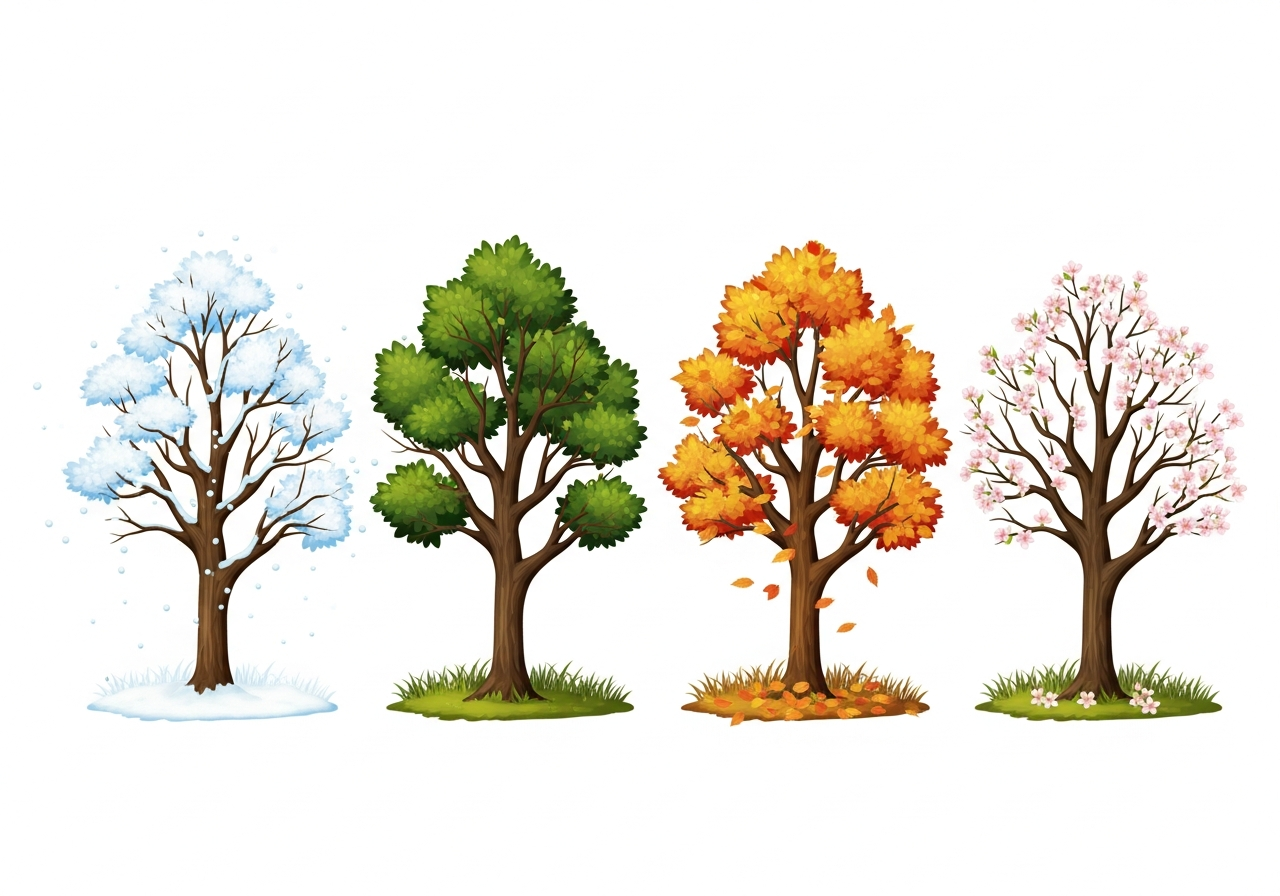
Every year, the weather changes. You see snow, rain, sunshine, and wind. These changes are called seasons.

Indigenous communities have watched seasons for a very long time. They learn from nature every day.
How Do Indigenous Communities Learn from Seasons?

Indigenous elders share stories about seasons. These stories teach you about plants, animals, and weather.

When leaves fall, elders tell stories about nature's cycles. When the first snow comes, special stories are shared with children.

Stories help you understand why seasons matter. They are passed down from elders to children for many, many years.

Nature Signs Tell You About Seasons

You can watch nature to know what season is coming. Indigenous communities look for special signs.

  • When flowers bloom, it is time to plant seeds.
  • When berries are ripe, it is time to gather food.
  • When birds fly south, cold weather is coming.
  • When squirrels collect extra nuts, winter will be cold.
  • When maple sap flows, winter is ending and spring is near.

The Sky Gives You Clues

Indigenous communities look at the sky to learn about seasons and weather.

They watch the moon to know when to harvest wild rice or gather food. They look at stars to know when to plant crops like corn. They watch clouds to know if a storm is coming.

When hawks fly in circles high up, it can mean the weather is about to change. When birds change their flying patterns, weather may be shifting too.

Preparing for Each Season

Indigenous communities get ready for each season. In autumn, they collect and store food for winter. This helps them stay warm and fed when it is cold.

In spring, they celebrate the first blossoms. They respect new life growing around them. In late winter, they collect maple sap from trees when the snow begins to melt.

Key Terms and Definitions

Seasons: You know the four seasons spring, summer, autumn, and winter. Each season brings different weather and changes in nature.

Indigenous Knowledge: This is the special wisdom that Indigenous communities have learned and shared for many generations. It helps people understand nature, weather, and seasons.

Elders: Elders are older, wise people in Indigenous communities. They share important stories and teachings with younger people.

Traditional Knowledge: This is information passed down from elders to children over many, many years. It teaches you how to live with nature.

Migration: Migration is when animals travel to a new place. Birds fly south in autumn because the weather gets cold.

Moon Phases: The moon looks different each night. Indigenous communities watch how the moon changes to know when to harvest food.

Harvest: Harvest means gathering food from nature. Indigenous communities know the right time to harvest berries, wild rice, and maple sap by watching nature's signs.

Nature Cycles: Nature follows a cycle, like a circle. Seasons come and go, plants grow and rest, and animals move with the weather this is a nature cycle.

Maple Sap: Maple sap is a sweet liquid that flows inside maple trees. Indigenous communities collect it in late winter when the snow starts to melt.

Storytelling: Storytelling is sharing stories out loud. Indigenous communities use storytelling to teach children about seasons, weather, and nature.

Fun Ways to Learn About Seasonal Connections

You can go outside and look for nature signs. Do you see flowers blooming? Are birds flying away? These are clues about the season!

You can listen to stories about seasons. Ask a family member or elder to share a story about their favorite season.

You can watch the sky at night. Look at the moon and see how it changes each night.

What You Already Know

You already know about the four seasons spring, summer, autumn, and winter. You know that weather changes throughout the year.

This helps you understand how Indigenous communities use these same seasonal changes to learn about nature and share wisdom.

Related Topics and Connections

This topic is part of your learning about Indigenous Knowledge. As you learn about seasonal connections, you are building a strong understanding of how people and nature work together.

You are learning how to observe nature, just like Indigenous communities have done for generations. Watching animals, plants, the moon, and clouds all help you understand the world around you.

These ideas connect to science topics you will explore as you grow, like how animals behave in different seasons, how plants grow and change, and how weather patterns work.