TOPIC
Resource Use, Sustainable practicesMY PROGRESS
Pug Score
0%
Getting Started
"Let's build your foundation!"
Best Streak
0 in a row
Study Points
+0
Overview
Practice
Watch
Read
Quiz
Next Steps
Get Started
Get unlimited access to all videos, practice problems, and study tools.
Back to Menu
Topic Progress
Pug Score
0%
Getting Started
"Let's build your foundation!"
Videos Watched
0/0
Best Practice
No score
Read
Not viewed
Best Quiz
No attempts
Best Streak
0 in a row
Study Points
+0
Overview
Practice
Watch
Read
Quiz
Next Steps
Read
Resource Use and Sustainable Practices: Protecting Earth's Future
You will learn how natural resources are used and how sustainable practices help protect them for future generations, drawing on both modern science and traditional ecological knowledge.
What Are Natural Resources and Why Do They Matter?
Natural resources are materials found in nature that living things depend on things like water, sunlight, soil, forests, and minerals. You rely on these resources every single day for food, shelter, energy, and clean air.
Understanding how to use resources wisely connects directly to topics you have already explored, such as Renewable and Non-Renewable Resources and Human Effects on Ecosystems. These foundations help you understand why sustainable practices matter so much.
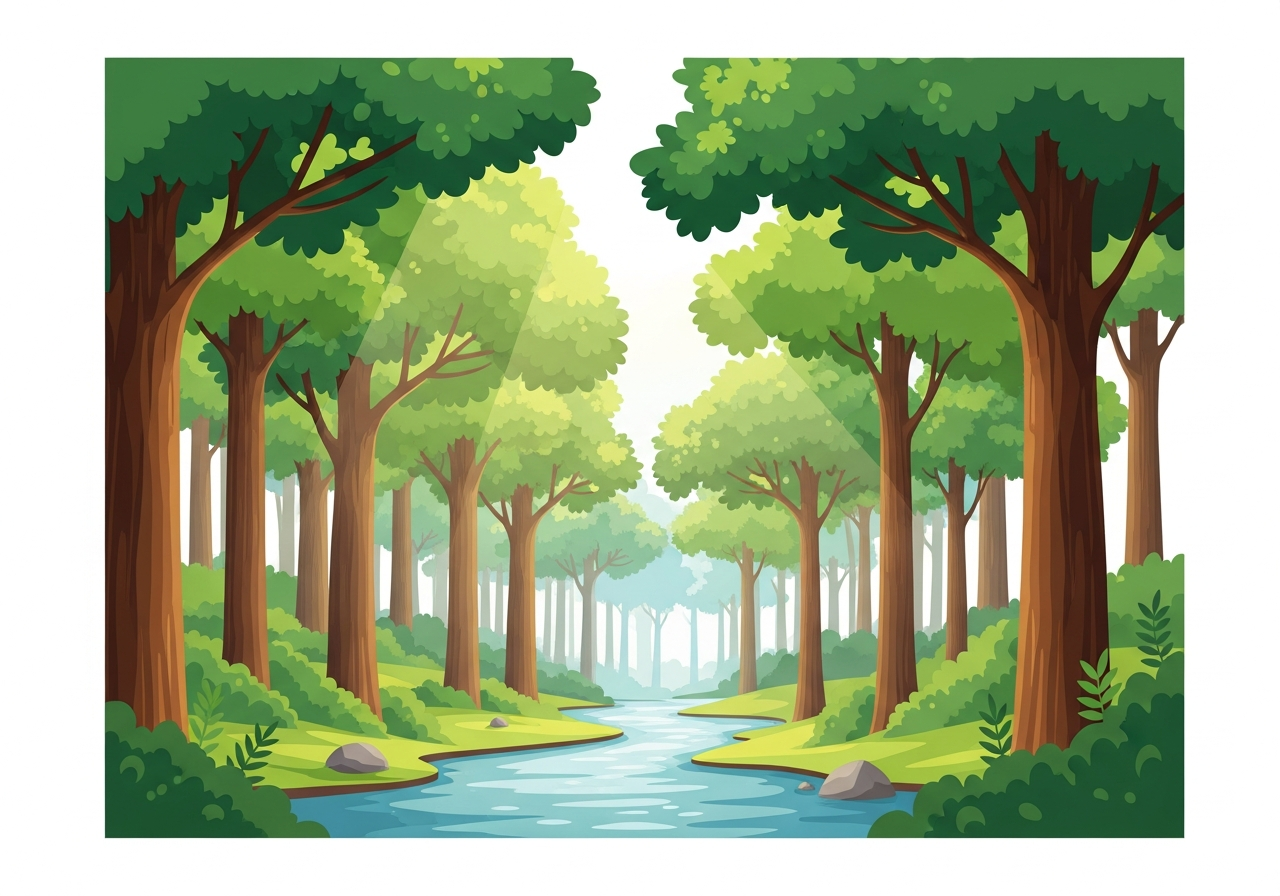
Renewable vs. Non-Renewable Resources
A renewable resource is one that nature can replace within a human lifetime like sunlight, wind, and water. A non-renewable resource, like coal, oil, and natural gas (fossil fuels), takes millions of years to form and cannot be replaced once used up.
Fossil fuels release pollution when burned, harming air and water quality. That is why switching to renewable energy sources, like solar panels, supports sustainable resource use.
What Are Sustainable Practices?
Sustainable practices mean using resources in ways that protect them so future generations can still meet their needs. You can think of it as taking only what nature can replace before resources become depleted this is sometimes called "living within the land's limits."
Here are some key sustainable practices you should know:
- Recycling: Turning used materials into new products to reduce waste
- Composting: Breaking down food scraps and plant waste into rich nutrients that improve soil health, reducing the need for chemical fertilizers
- Crop rotation: Planting different crops in the same field each season to restore nutrients and keep soil healthy
- Rainwater harvesting: Collecting and storing rainwater for use during dry periods
- Controlled burning: Deliberately burning parts of land to clear old growth, encourage new plants, and reduce wildfire risk
You can also protect resources by conserving water at home, choosing reusable bags and bottles instead of single-use plastics, and supporting protected natural areas.
Traditional Ecological Knowledge and Sustainable Resource Management
For thousands of years, Indigenous and traditional communities developed careful rules for using natural resources. This is called traditional ecological knowledge knowledge passed down through stories, oral traditions, and daily practices that guided communities in living sustainably with their local environments.
You can explore this further through Indigenous Science and Traditional Ecological Knowledge and Cultural Practices and Sustainable Resource Management.
Examples of traditional sustainable practices include:
- Using every part of a hunted animal to reduce waste
- Setting seasonal hunting and fishing limits to allow populations to recover
- Creating no-fishing zones so marine life could reproduce and grow
- Planting trees alongside crops (agroforestry) to prevent erosion and improve soil
- Selective harvesting only cutting old or sick trees so forests stay healthy
Traditional communities also understood that removing one species from an ecosystem disrupts the entire balance a concept that connects to System Interactions: Biotic and Abiotic Factors and Energy Flow: Food Webs and Energy Pyramids.
Why Protecting Biodiversity and Ecosystems Matters
Biodiversity means the variety of life forms plants, animals, and other organisms in an ecosystem. Healthy ecosystems depend on many different species working together. When one species is removed, it can trigger a chain reaction affecting many others.
For example, top predators like wolves or sharks control prey populations. Without them, prey animals overpopulate and damage vegetation, destabilizing the entire ecosystem. Similarly, pollinators like bees and butterflies transfer pollen between flowers, allowing many food crops to produce fruits and seeds. Without pollinators, food production would decline dramatically.
Protecting ecosystems also means protecting wetlands like marshes and swamps, which filter water, store floodwaters, and provide habitat for many species. You can learn more about protecting these systems through Habitat Protection and Conservation Methods and Conservation: Protection and Restoration.
Food security having reliable, long-term access to enough healthy food depends directly on sustainable farming, fishing, and land management. Traditional communities developed diverse food systems specifically to maintain food security over many generations.
Key Terms and Definitions
Natural resources: You use natural resources every day they are materials found in nature that living things depend on, such as water, soil, sunlight, forests, and minerals.
Renewable resources: These are resources that nature can naturally replenish over time, like sunlight, wind, and water. You cannot use them up the way you can use up coal or oil.
Non-renewable resources: These are resources that cannot be replaced once used up, like coal, oil, and natural gas. They take millions of years to form, so once they are gone, they are gone forever.
Conservation: Conservation means managing and using resources carefully to avoid waste, so they remain available and healthy for as long as possible. It does not mean never using resources it means using them thoughtfully.
Sustainability: Sustainability means using resources in a balanced way so that future generations can still meet their needs. You practice sustainability when you recycle, compost, or choose reusable items.
Recycling: Recycling reduces waste by turning used materials like plastic bottles or paper into new products. This helps conserve natural resources and reduces pollution.
Composting: Composting is a natural process where food scraps and plant waste break down into rich nutrients that improve soil health. It reduces landfill waste and replaces the need for chemical fertilizers.
Fossil fuels: Fossil fuels coal, oil, and natural gas are non-renewable energy sources formed over millions of years. When burned, they release pollution that harms air and water quality.
Biodiversity: Biodiversity refers to the wide variety of plants, animals, and other organisms in an ecosystem. High biodiversity keeps ecosystems healthy, resilient, and productive.
Traditional ecological knowledge: This is knowledge developed by Indigenous and traditional communities over thousands of years about how to live sustainably with local natural environments. It is passed down through stories, oral traditions, and daily practices.
Crop rotation: Crop rotation means planting different crops in the same field each season. This restores nutrients that previous crops removed from the soil, keeping it fertile without chemical fertilizers.
Food security: Food security means having reliable, long-term access to enough healthy and nutritious food. Sustainable farming and resource management practices help communities maintain food security.
Pollinators: Pollinators like bees and butterflies transfer pollen between flowers, allowing plants to produce fruits and seeds. Without pollinators, many food crops would fail.
Wetlands: Wetlands are ecosystems like marshes and swamps that filter water, absorb floodwaters, and provide habitat for many species. They are vital for clean water and biodiversity.
Deforestation: Deforestation happens when large areas of forest are permanently cleared for farming, building, or logging without replanting. It destroys habitat, reduces biodiversity, and harms the climate.
Overfishing: Overfishing means removing fish from the ocean faster than populations can naturally reproduce and recover. This can collapse entire fisheries and disrupt ocean food webs.
Practice Activities for Sustainable Thinking
You can strengthen your understanding of sustainable practices by connecting concepts to real-world examples. Try identifying whether resources around you are renewable or non-renewable, and think about how you use them each day.
Consider how traditional practices like Sustainable Practices and Resource Management Strategies connect to modern conservation efforts. You can also explore how Matter Cycles Water, Carbon, and Nitrogen Cycles relate to why keeping ecosystems healthy is so important for resource renewal.
Challenge yourself to think about what happens when one part of an ecosystem is removed how does that affect the food web, the soil, the water, and the communities that depend on those resources?
Building on What You Already Know
You have already built important foundations for this topic. Your understanding of Renewable and Non-Renewable Resources helps you classify the resources you are now learning to protect. Your knowledge of Human Effects on Ecosystems shows you why unsustainable practices cause real harm.
You have also explored Habitat Protection and Conservation Methods and Sustainable Practices and Resource Management Strategies, which give you the tools to evaluate different approaches to resource use. Your study of Indigenous Science and Traditional Ecological Knowledge and Cultural Practices and Sustainable Resource Management helps you appreciate how traditional wisdom contributes to modern conservation.
Related Topics and Connections
This topic connects to a rich network of science concepts that deepen your understanding of how living things and resources interact.
You will find strong connections to Environmental Knowledge and Ecological Understanding, which expands your awareness of how ecosystems function. Resource Management: Sustainable Use and Conservation and Natural Resources: Renewable and Non-Renewable build directly on the vocabulary and concepts you are mastering here.
Understanding Environmental Systems and Human Effects on Ecosystems helps you see the big picture of how human choices affect natural systems. System Interactions: Biotic and Abiotic Factors and Energy Flow: Food Webs and Energy Pyramids show you how all parts of an ecosystem are connected and why protecting biodiversity matters so much.
This topic also prepares you for more advanced thinking in Ecological Wisdom and Sustainable Practices, Environmental Science, Resource Management, and Sustainable Practices, and Natural Systems and Environmental Relationships. In those topics, you will apply everything you have learned here to explore deeper questions about how humans and nature can thrive together. You can also revisit Conservation: Protection and Restoration to see how protecting specific habitats supports the broader goals of sustainability.