Topic
My Progress
Pug Score
0%
Best Streak
0 in a row
Study Points
+0
Overview
Practice
Watch
Read
Quiz
Next Steps
Overview
Practice
Watch
Read
Quiz
Next Steps
Read
Natural Resources: Discover What's Renewable and What's Not
You will learn the difference between renewable and non-renewable natural resources, explore real-world examples of each, and discover why conserving Earth's limited resources is so important.
A natural resource is any material found in nature that you and other people use to meet your needs. Natural resources include water, soil, sunlight, minerals, and living things like trees and fish. They are not made by humans they come directly from the environment around you.
You can connect this idea to what you already know about Environmental Science and Human Effects on Ecosystems the way people use natural resources has a direct impact on the world's ecosystems.
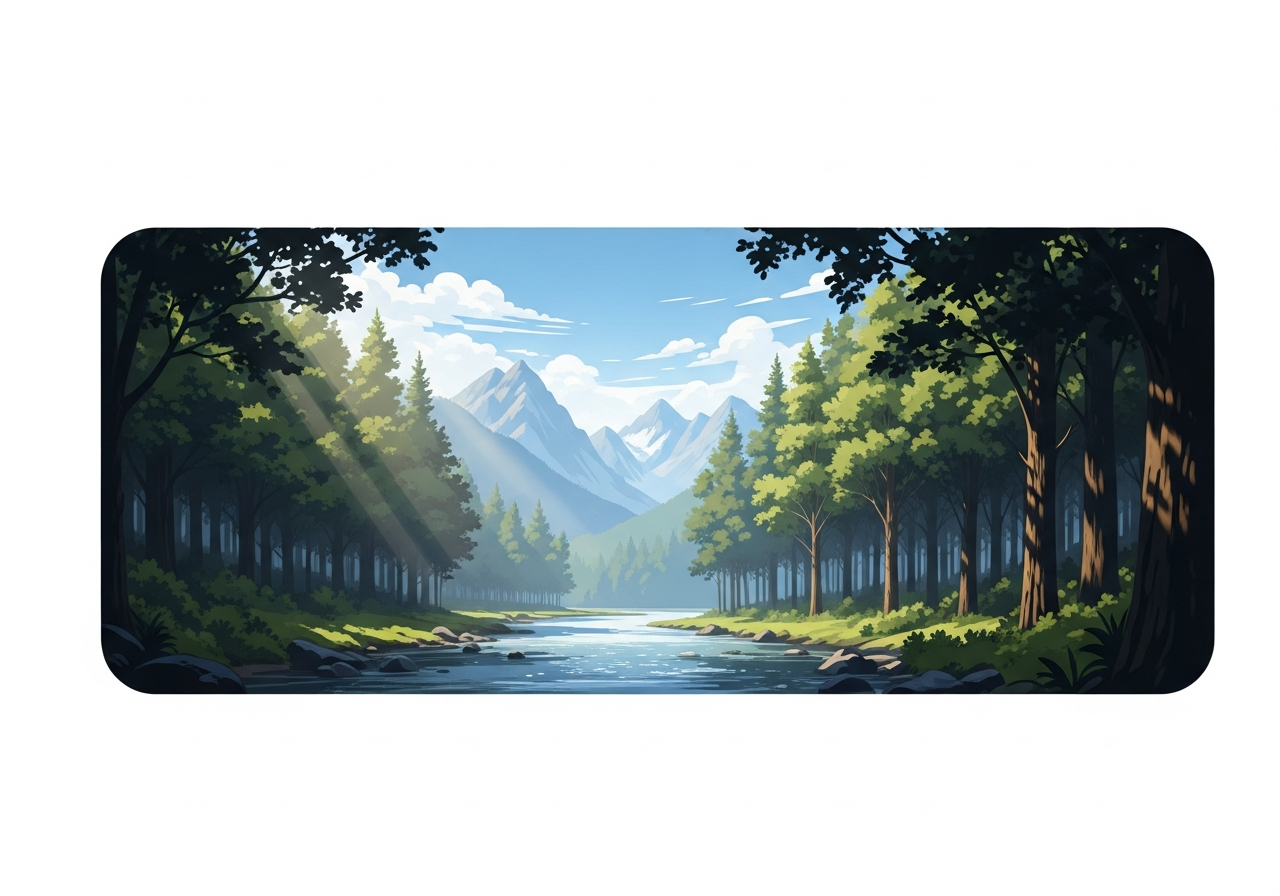
Renewable vs. Non-Renewable Resources
Natural resources are divided into two main groups: renewable and non-renewable. The key difference is how quickly each type can be replaced after it is used.
Renewable resources are naturally replenished by Earth's processes within a human timescale. Examples include sunlight, wind, fresh water, and trees grown in managed forests. Even though these resources can be replaced, you must still use them carefully if you harvest fish or cut trees faster than they can regrow, even renewable resources can run out.
Non-renewable resources cannot be replaced within a human lifetime. Fossil fuels like coal, oil, and natural gas took millions of years to form from the remains of ancient plants and animals buried underground. Once they are burned for energy, they are gone permanently.

Fossil Fuels: A Closer Look
Fossil fuels coal, oil, and natural gas are the most widely used non-renewable energy sources in the world. They formed over millions of years from ancient living organisms compressed under heat and pressure deep underground. When you burn fossil fuels, they release energy but also release harmful gases into the atmosphere, contributing to air pollution and climate change.
Because fossil fuels take so long to form, they cannot be recycled or reused after burning. This is why switching to renewable energy sources like solar panels and wind turbines is so important for protecting Earth's future. You can explore how rocks and minerals form through related processes in Rock Cycle: Formation and Transformation and Mineral Properties: Physical and Chemical Properties.
Why Conservation Matters
Conservation means using resources carefully so they are not wasted or depleted. When you conserve non-renewable resources, you help make the limited supply last longer while people develop better renewable alternatives.
Sustainable use means using resources only as fast as they can be naturally restored. For example, planting new trees to replace those that are cut down keeps forests renewable. Turning off lights, walking instead of driving, and installing solar panels are all ways you can conserve resources every day.
You can learn more about protecting resources through Resource Management: Sustainable Use and Conservation and Resource Use: Sustainable Practices.
Key Terms & Definitions
Natural Resource: A material found in nature like water, wood, minerals, or sunlight that you and other people use to meet everyday needs. Natural resources are not made by humans.
Renewable Resource: A resource that is naturally replenished by Earth's processes and will not run out on a human timescale. Examples include sunlight, wind, fresh water, and trees. You must still manage renewable resources carefully to avoid overusing them.
Non-Renewable Resource: A resource that cannot be replaced within a human lifetime because it takes millions of years to form. Coal, oil, and natural gas are the most common examples. Once used, they are gone.
Fossil Fuels: A specific type of non-renewable resource including coal, oil, and natural gas formed from the remains of ancient plants and animals over millions of years under heat and pressure underground. Burning fossil fuels releases energy but also releases harmful gases.
Conservation: Managing and protecting natural resources by using them wisely and reducing waste so they last longer. Conservation means you use less of a resource and avoid depleting it unnecessarily.
Sustainable Use: Using resources only as fast as they can be naturally restored, so future generations can still use them. For example, harvesting fish at a rate that allows the fish population to recover is sustainable use.
Solar Energy: Energy that comes from the sun's light and heat. Solar energy is renewable because the sun continuously produces light every day without being used up. Solar panels on rooftops capture this energy to power homes.
Wind Energy: Energy produced by moving air in Earth's atmosphere. Wind is renewable because it is naturally and continuously created by differences in air pressure and temperature. Wind turbines capture this energy to generate electricity.
Hydropower: Electricity generated by capturing the energy of flowing or falling water, usually through turbines inside a dam. Hydropower is renewable because water is continuously recycled through the water cycle.
Geothermal Energy: Heat energy that comes from inside the Earth. It is considered renewable because the Earth continuously produces this heat and it will not run out on a human timescale.
Practice Activities: Applying What You Know
You can strengthen your understanding by sorting resources into renewable and non-renewable categories. Try listing five items from your home like electricity, wood furniture, or tap water and decide which type each one is and why.
You can also think about Sustainable Practices and Resource Management Strategies by identifying one non-renewable resource you use daily and brainstorming a renewable alternative that could replace it.
Consider how the Matter Cycles Water, Carbon, and Nitrogen Cycles connect to renewable resources. The water cycle, for example, is exactly why fresh water is considered renewable it is continuously recycled through evaporation, condensation, and precipitation.
Building on What You Already Know
Before exploring natural resources, you may have already studied topics that connect directly to this one. Your knowledge of Environmental Science and Human Effects on Ecosystems helps you understand why overusing resources damages the natural world. Your understanding of Habitat Protection and Conservation Methods shows you how protecting environments also protects the resources within them.
You may also have explored Indigenous Science and Traditional Ecological Knowledge and Cultural Practices and Sustainable Resource Management, which show how communities around the world have managed natural resources wisely for generations.
Related Topics & Connections
This topic connects to many other important areas of science. As you move forward, you will explore Introduction to Mineral Resources: Formation and Extraction, which builds directly on what you learn here about non-renewable resources found in Earth's crust.
You will also study Environmental Science and Resource Management: Sustainable Practices and Conservation and Environmental Protection, which take your understanding of conservation to a deeper level. Ecological Wisdom and Sustainable Practices explores how traditional and modern knowledge work together to protect resources.
Understanding natural resources also connects to System Interactions: Biotic and Abiotic Factors and Energy Flow: Food Webs and Energy Pyramids, because resources like sunlight and water drive the energy systems that all living things depend on. You will also see connections to Rock Types: Igneous, Sedimentary, and Metamorphic, since many non-renewable mineral resources form through rock-forming processes.
Finally, Biodiversity and Species Relationships shows you why protecting natural resources is essential for keeping ecosystems and all their species healthy. Environmental Systems and Human Effects on Ecosystems and Environmental Knowledge and Ecological Understanding round out your big picture of how resources, ecosystems, and human choices are all connected.
You can also explore Conservation: Protection and Restoration to learn how damaged ecosystems and depleted resources can be restored through careful human action.