TOPIC

Sustainable Practices, Resource management strategies

MY PROGRESS

Pug Score

0%

Getting Started

"Let's build your foundation!"

Best Streak

0 in a row

Study Points

+0

Overview

Practice

Watch

Read

Quiz

Next Steps


Get Started

Get unlimited access to all videos, practice problems, and study tools.

Unlimited practice
Full videos

BACK TO MENU

Topic Progress

Pug Score

0%

Getting Started

"Let's build your foundation!"

Videos Watched

0/0

Best Practice

No score

Read

Not viewed

Best Quiz

No attempts


Best Streak

0 in a row

Study Points

+0

Overview

Practice

Watch

Read

Quiz

Next Steps

Read

Sustainable Practices & Resource Management: Protect Our Planet

You will learn how sustainable practices and resource management strategies help protect natural resources like water, soil, forests, and energy for future generations.

What Are Sustainable Practices and Resource Management?

You live on a planet full of amazing natural resources water, soil, forests, sunlight, and more. A natural resource is any useful material that comes from nature. Resource Use: Renewable and Non-Renewable Resources shows you that some resources can run out if we are not careful.

Sustainable practices are actions you take to use resources wisely so they are still available for people in the future. Sustainability means balancing how much you use today so resources remain available tomorrow.
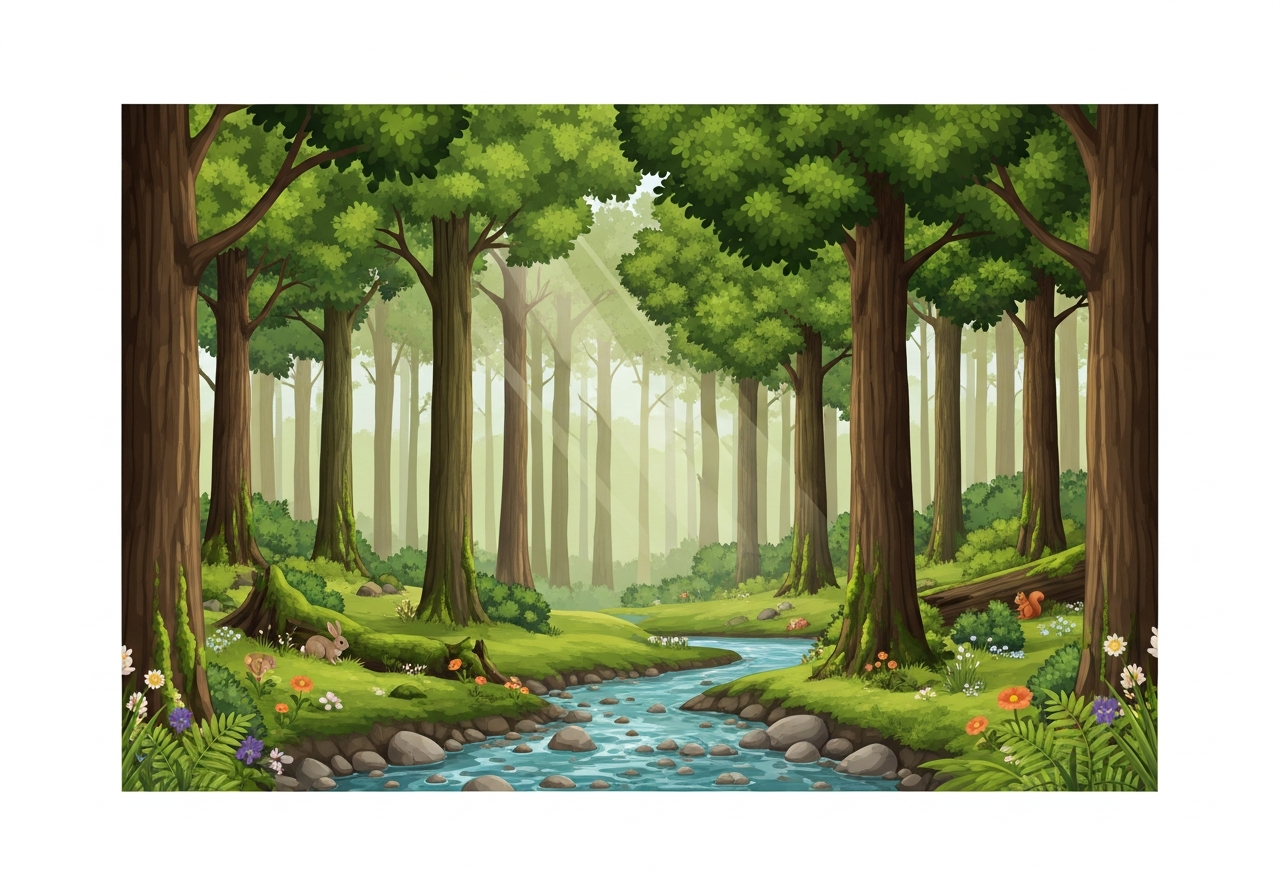
Renewable vs. Nonrenewable Resources

A renewable resource is one that is naturally replaced relatively quickly like sunlight, wind, and fresh water from rain. Sunlight shines on Earth every single day and will not run out in your lifetime.

A nonrenewable resource cannot be replaced quickly once it has been used up. Coal, oil, and natural gas are fossil fuels that took millions of years to form. Once they are gone, they cannot be quickly replaced, so it is important to use them carefully.

The Three R's of Conservation

One of the most important resource management strategies you can use every day is the three R's: reduce, reuse, and recycle.

  • Reduce means using less of a resource or making less waste overall. This is the most powerful of the three R's because less waste is created from the start.
  • Reuse means using an item again instead of throwing it away like refilling a water bottle instead of buying a new plastic one each day.
  • Recycle means processing used materials so they can be made into new products, like sending aluminum cans to a plant to make new ones.

Key Conservation Strategies You Can Use

Conservation means protecting and carefully using natural resources so they last for future generations. Here are important strategies connected to Habitat Protection and Conservation Methods:

  • Water conservation: Turn off the tap while brushing your teeth. Report leaking faucets. Collect rainwater in barrels for gardens.
  • Energy conservation: Switch off lights and electronics when not needed. Use solar panels to capture sunlight instead of burning fossil fuels.
  • Forest conservation: Print on both sides of paper. Support reforestation planting new trees to replace ones that were cut down.
  • Soil conservation: Use composting to turn food scraps into rich soil. Practice crop rotation to keep soil full of nutrients.
  • Sustainable transportation: Carpool or ride a bus so fewer cars burn gasoline. Build bike lanes so people can ride instead of drive.

You can also learn how Environmental Science and Human Effects on Ecosystems shows why these actions matter so much.

Why Biodiversity and Ecosystems Matter

Biodiversity means having many different species of plants and animals living together in an ecosystem. Every species plays a role when one disappears, the food chain gets disrupted and other species may struggle.

Deforestation cutting down large areas of trees destroys habitats and increases pollution. Forests provide oxygen, shelter wildlife, and filter water. Protecting forests is one of the most important conservation actions you can take.

Pollution occurs when harmful substances damage the environment. A factory releasing chemicals into a river causes water pollution that harms fish, plants, and animals. Avoiding littering in parks and near rivers helps protect these ecosystems.

Key Terms & Definitions

Natural Resource: A natural resource is any useful material that comes from nature, like water, soil, trees, sunlight, and minerals. You depend on natural resources every single day.

Conservation: Conservation means protecting natural resources and using them carefully so they are available for future generations. It involves reducing waste and making smart choices about how you use things like water, trees, and energy.

Sustainability: Sustainability means balancing how much you use today so resources remain available tomorrow. A sustainable practice meets today's needs without harming resources for the future.

Pollution: Pollution occurs when harmful substances damage the environment. For example, chemicals released into a river cause water pollution that harms fish and plants.

Renewable Resource: A renewable resource is naturally replaced relatively quickly. Sunlight, wind, and fresh rainwater are renewable because they are replenished regularly and will not run out in your lifetime.

Nonrenewable Resource: A nonrenewable resource cannot be replaced quickly once it has been used up. Coal, oil, and natural gas are nonrenewable fossil fuels that took millions of years to form.

Reduce: To reduce means to use less of a resource or make less waste overall. It is the most important of the three R's because it prevents waste from being created in the first place.

Reuse: To reuse means to use an item again instead of throwing it away and buying a new one. Refilling a water bottle is a great example of reuse.

Recycle: To recycle means to process used materials so they can be made into new products. Sending aluminum cans to a plant to make new cans is recycling.

Biodiversity: Biodiversity means having many different species of plants and animals living together in an ecosystem. High biodiversity makes ecosystems stronger and more resilient.

Deforestation: Deforestation is the large-scale cutting down of forests, which destroys animal habitats and increases pollution by removing trees that absorb carbon dioxide.

Composting: Composting is the process of turning food scraps and yard waste into rich, nutrient-filled soil called compost. It reduces landfill waste and helps plants grow.

Reforestation: Reforestation means planting new trees to replace ones that have been cut down. A farmer who plants a new tree every time he cuts one down is practicing reforestation.

Crop Rotation: Crop rotation is the practice of planting different crops in the same field each season to prevent soil from losing its nutrients. It keeps farmland healthy and productive.

Fossil Fuels: Fossil fuels are nonrenewable energy sources like coal, oil, and natural gas that formed from ancient living things over millions of years. Burning fossil fuels releases pollution into the air.

Erosion: Erosion happens when rain washes unprotected topsoil away from hillsides, especially when trees and plants have been removed. Plant roots help hold soil in place and prevent erosion.

Sustainable Actions You Can Practice Every Day

You can make a difference right now! Here are some sustainable actions and the resources they protect:

Sustainable ActionResource Protected
Turn off lights when leaving a roomElectricity (fossil fuels)
Fix dripping tapsFresh water
Plant trees after loggingForests and soil
Compost food scrapsSoil nutrients
Walk, bike, or carpoolFossil fuels and air quality
Use a reusable water bottleReduces plastic waste
Print on both sides of paperTrees and forests

You can also explore how Cultural Practices and Sustainable Resource Management shows how communities around the world have practiced conservation for generations.

Building on What You Already Know

Before exploring sustainable practices, you built important foundations. You learned about Ecosystem Components: Living and Non-Living Elements, which helps you understand what resources exist in nature. You also studied Resource Use and Effects on the Environment, showing you how human actions impact ecosystems.

Your knowledge of Conservation and Protection Strategies and Traditional Practices and Sustainable Resource Management gave you a strong base for understanding why conservation matters. Understanding Communities and Interaction Between Populations and Environmental Knowledge and Local Ecosystem Understanding also helps you see how living things depend on healthy resources.

Related Topics & Connections

This topic connects to many important ideas in science. You can explore Indigenous Science and Traditional Ecological Knowledge to discover how Indigenous communities have managed resources sustainably for thousands of years. Systems Thinking and Interconnected Components helps you see how every part of an ecosystem is connected.

Understanding Energy Flow, Food Webs and Energy Transfer and Matter Cycles: Water, Carbon, and Nitrogen Cycles shows you how resources move through ecosystems and why protecting them matters. You can also explore Resource Use: Renewable and Non-Renewable Resources and Environmental Science and Human Effects on Ecosystems to deepen your understanding.

What you learn here prepares you for advanced topics like Resource Management: Sustainable Use and Conservation, Conservation: Protection and Restoration, Environmental Systems and Human Effects on Ecosystems, Resource Use and Sustainable Practices, Natural Resources: Renewable and Non-Renewable, Environmental Knowledge and Ecological Understanding, Energy Flow: Food Webs and Energy Pyramids, and System Interactions: Biotic and Abiotic Factors.