TOPIC
MY PROGRESS
Pug Score
0%
Getting Started
"Let's build your foundation!"
Best Streak
0 in a row
Study Points
+0
Overview
Practice
Watch
Read
Quiz
Next Steps
Get Started
Get unlimited access to all videos, practice problems, and study tools.
BACK TO MENU
Topic Progress
Pug Score
0%
Getting Started
"Let's build your foundation!"
Videos Watched
0/0
Best Practice
No score
Read
Not viewed
Best Quiz
No attempts
Best Streak
0 in a row
Study Points
+0
Overview
Practice
Watch
Read
Quiz
Next Steps
Read
Energy Conversion: How Energy Changes Its Form
You will learn how energy changes from one form into another, and you will explore real-world examples of energy transformations happening all around you.
Energy conversion means energy changes from one form into a different form. Energy is never created or destroyed it simply transforms. You can see energy conversion happening every time you turn on a light, eat food, or ride a bike.
You already know about Energy Types: Potential and Kinetic Energy, which gives you a great foundation for understanding how energy moves and changes. Now you will discover how those energy types shift from one to another.

Forms of Energy You Need to Know
Kinetic energy is the energy any moving object has. The faster something moves, the more kinetic energy it has. A rolling ball and a spinning fan blade both have kinetic energy.
Potential energy is stored energy. A book on a high shelf and a stretched rubber band both have potential energy ready to be released. When a ball rolls down a hill, its gravitational potential energy converts into kinetic energy.
Thermal energy comes from the movement of tiny particles inside matter. The faster those particles move, the more thermal energy and heat there is. A toaster converts electrical energy into thermal energy to toast your bread.
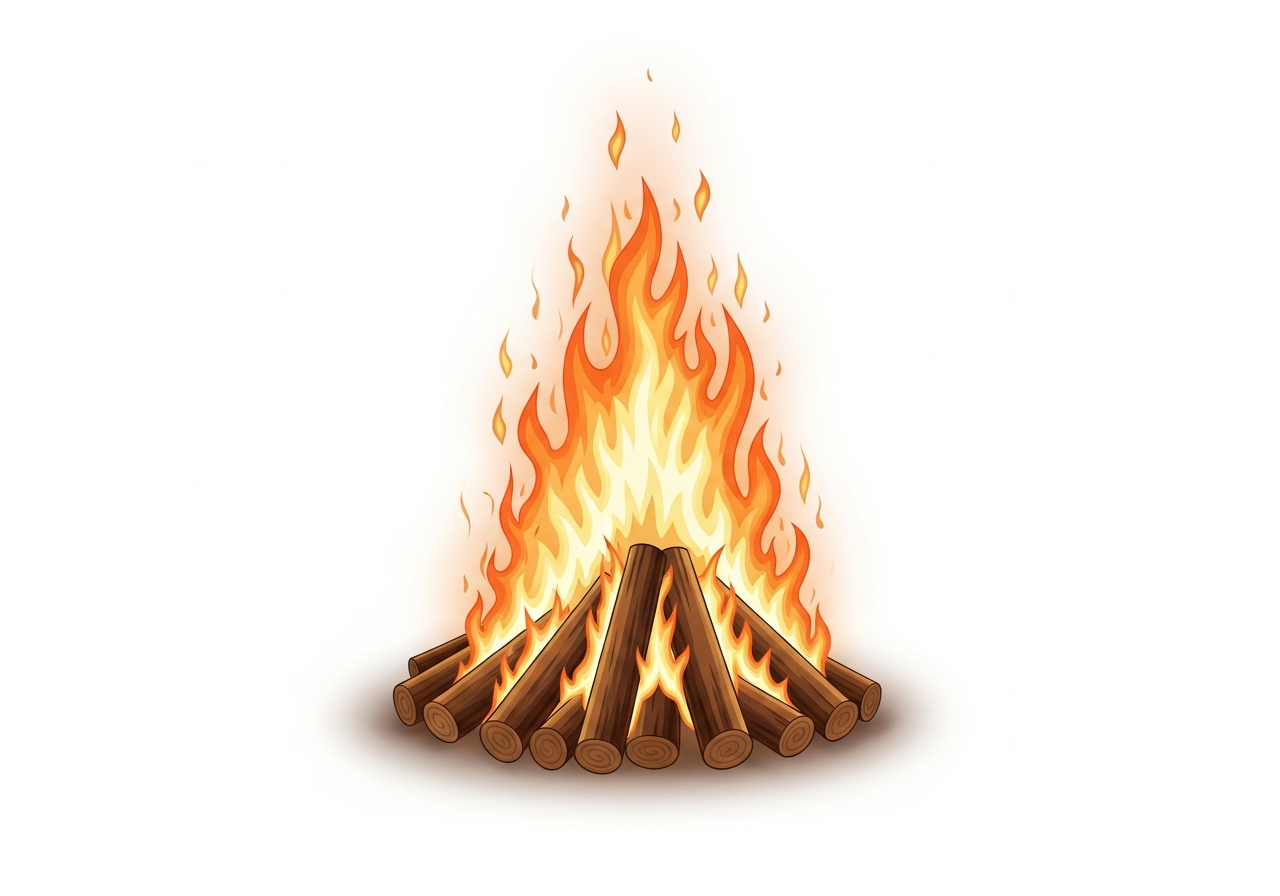
Chemical energy is stored inside the bonds of substances like food, wood, and batteries. When wood burns in a campfire, chemical energy converts into thermal energy and light energy. When you eat food, your body converts chemical energy into mechanical energy so your muscles can move.
Electrical energy flows through circuits and powers devices. A battery stores chemical energy and converts it into electrical energy when connected to a circuit. A solar panel converts light energy from the sun into electrical energy.
Light energy travels as electromagnetic waves. Sunlight is the most familiar example. Plants use light energy from the sun and convert it into chemical energy through photosynthesis this is a great example of light energy becoming chemical energy.
Sound energy travels as vibrations through air, water, or solid materials. When you pluck a guitar string, mechanical energy converts into sound energy. When you clap your hands, mechanical energy converts into sound energy and a small amount of thermal energy.
Everyday Examples of Energy Conversion
You encounter energy conversions every single day. Here are some important examples you should know:
- Flashlight: Chemical energy in the battery electrical energy light energy
- Campfire: Chemical energy in wood thermal energy + light energy
- Solar panel: Light energy from the sun electrical energy
- Wind turbine: Mechanical energy of wind electrical energy
- Hydroelectric dam: Mechanical energy of falling water electrical energy
- Car engine: Chemical energy in gasoline mechanical energy
- Speaker: Electrical energy sound energy
- Charging a phone: Electrical energy from the outlet chemical energy stored in the battery
Notice that in every example, energy does not disappear. According to the law of conservation of energy, the total amount of energy always stays the same it only changes form.
The Law of Conservation of Energy
One of the most important ideas in science is that energy is never created or destroyed. It only changes from one form into another. This is called the law of conservation of energy.
When a ball rolls downhill, gravitational potential energy converts into kinetic energy. When a rubber band is stretched and released, elastic potential energy converts into kinetic energy. The total energy in the system stays the same throughout every conversion.
Key Terms and Definitions
Energy Conversion: Energy conversion is when energy changes from one form into a different form. For example, a lamp converts electrical energy into light energy.
Kinetic Energy: Kinetic energy is the energy an object has because it is moving. Any object that is in motion like a rolling ball or a spinning wheel has kinetic energy.
Potential Energy: Potential energy is stored energy. A book on a high shelf or a stretched rubber band both have potential energy waiting to be released.
Gravitational Potential Energy: Gravitational potential energy is the stored energy an object has because of its height above the ground. The higher the object, the more gravitational potential energy it has.
Elastic Potential Energy: Elastic potential energy is the stored energy in a stretched or compressed object, like a rubber band or a spring. When released, it converts into kinetic energy.
Thermal Energy: Thermal energy is the heat energy produced by the movement of tiny particles inside matter. The faster the particles move, the more thermal energy there is.
Chemical Energy: Chemical energy is energy stored inside the bonds of substances like food, wood, and batteries. It is released during chemical reactions such as burning or digestion.
Electrical Energy: Electrical energy is energy that flows through circuits and powers devices like lamps, phones, and computers.
Light Energy: Light energy travels as electromagnetic waves. Sunlight is the most common example, and it can be converted into other forms of energy like chemical energy in plants.
Sound Energy: Sound energy travels as vibrations through materials like air, water, or solids. When an object vibrates, it creates sound waves that reach your ears.
Mechanical Energy: Mechanical energy is the energy of motion and position. It includes both kinetic energy and potential energy working together, like in a moving car or a spinning turbine blade.
Law of Conservation of Energy: The law of conservation of energy states that energy cannot be created or destroyed it can only change from one form into another. The total amount of energy always stays the same.
Practice What You Know
You can practice identifying energy conversions by looking at objects around you. Ask yourself: what form of energy goes in, and what form comes out? Try tracing the energy chain in a Light Properties example, like sunlight hitting a solar panel.
You can also connect energy conversion to Sound Properties by thinking about how a drum converts mechanical energy into sound energy when you strike it. Every time you hear a sound, an energy conversion has taken place!
Building on What You Already Know
Before exploring energy conversion, you learned about Heat Sources: Natural and Artificial Sources and Heat Transfer: Conduction, Convection, and Radiation. These topics showed you how thermal energy moves from place to place, which is one type of energy transformation.
You also studied Energy Transfer: Producer to Consumer Flow and Energy Loss: Energy Transfer Efficiency. These topics help you understand that energy does not always convert perfectly some energy is lost as heat during every transformation.
Related Topics and Connections
Energy conversion connects to many other important science ideas. You explored Energy Types: Potential and Kinetic Energy, which describes the two main categories of energy that are constantly converting back and forth.
You can also connect energy conversion to Energy Flow: Food Webs and Energy Transfer, where chemical energy passes from one living thing to another through eating. Plants convert light energy into chemical energy through photosynthesis, and animals convert that chemical energy into mechanical energy when they move.
Energy conversion also connects to Phase Changes: Temperature Effects on State and Particle Theory: Arrangement and Movement of Particles, because thermal energy drives the movement of particles that causes matter to change state.
Understanding Systems Thinking: Interconnected Components helps you see how energy conversions work together in larger systems, like a power plant or an ecosystem.
This topic prepares you for more advanced ideas including Energy Conversion: Transformation Between Forms, Types of Energy: Mechanical, Electrical, Chemical, Efficiency: Energy Loss in Systems, Work and Time: Relationship Between Power and Energy, and Energy Flow: Food Webs and Energy Pyramids.