TOPIC
Phase Changes, Temperature effects on stateMY PROGRESS
Pug Score
0%
Getting Started
"Let's build your foundation!"
Best Streak
0 in a row
Study Points
+0
Overview
Practice
Read
Quiz
Next Steps
Get Started
Get unlimited access to all videos, practice problems, and study tools.
Back to Menu
Topic Progress
Pug Score
0%
Getting Started
"Let's build your foundation!"
Best Practice
No score
Read
Not viewed
Best Quiz
No attempts
Best Streak
0 in a row
Study Points
+0
Overview
Practice
Read
Quiz
Next Steps
Read
Phase Changes: How Temperature Transforms Matter
You will learn how temperature causes matter to change between solid, liquid, and gas states through processes called phase changes.
What Are Phase Changes?
Matter exists in three common states: solid, liquid, and gas. When you add or remove heat energy, matter can change from one state to another this is called a phase change. You see phase changes every day, like when ice melts in your drink or a puddle disappears on a sunny afternoon.
Understanding phase changes connects directly to what you already know about Heat Transfer, Conduction, Convection, and Radiation because heat moving into or out of a substance is exactly what drives every phase change.
The Three States of Matter and Temperature
In a solid, particles are packed tightly together and can only vibrate in place that is why a solid keeps its own shape. In a liquid, particles are close but can slide past each other, so a liquid takes the shape of its container. In a gas, particles move very fast and spread far apart, filling any container completely.
Temperature controls which state matter is in. Higher temperatures give particles more energy to move faster and spread apart, pushing matter from solid liquid gas. Lower temperatures remove energy, slowing particles down and pulling matter from gas liquid solid. You can explore how particles behave in each state through Particle Theory: Arrangement and Movement of Particles.
Six Phase Changes You Need to Know
Melting happens when a solid absorbs heat and becomes a liquid like butter softening in a warm pan or iron heated until it flows. The temperature at which this happens is called the melting point.
Freezing is the opposite: a liquid loses heat and becomes a solid. Water freezes at 0°C (32°F), which is its freezing point. When liquid water is placed in a freezer, heat is removed and it turns into ice.
Evaporation occurs when a liquid gains heat and changes into a gas. A puddle disappears on a sunny day because the sun's heat causes the water to evaporate into water vapor. When a liquid evaporates rapidly throughout its entire volume, that is called boiling. Water reaches its boiling point at 100°C (212°F).
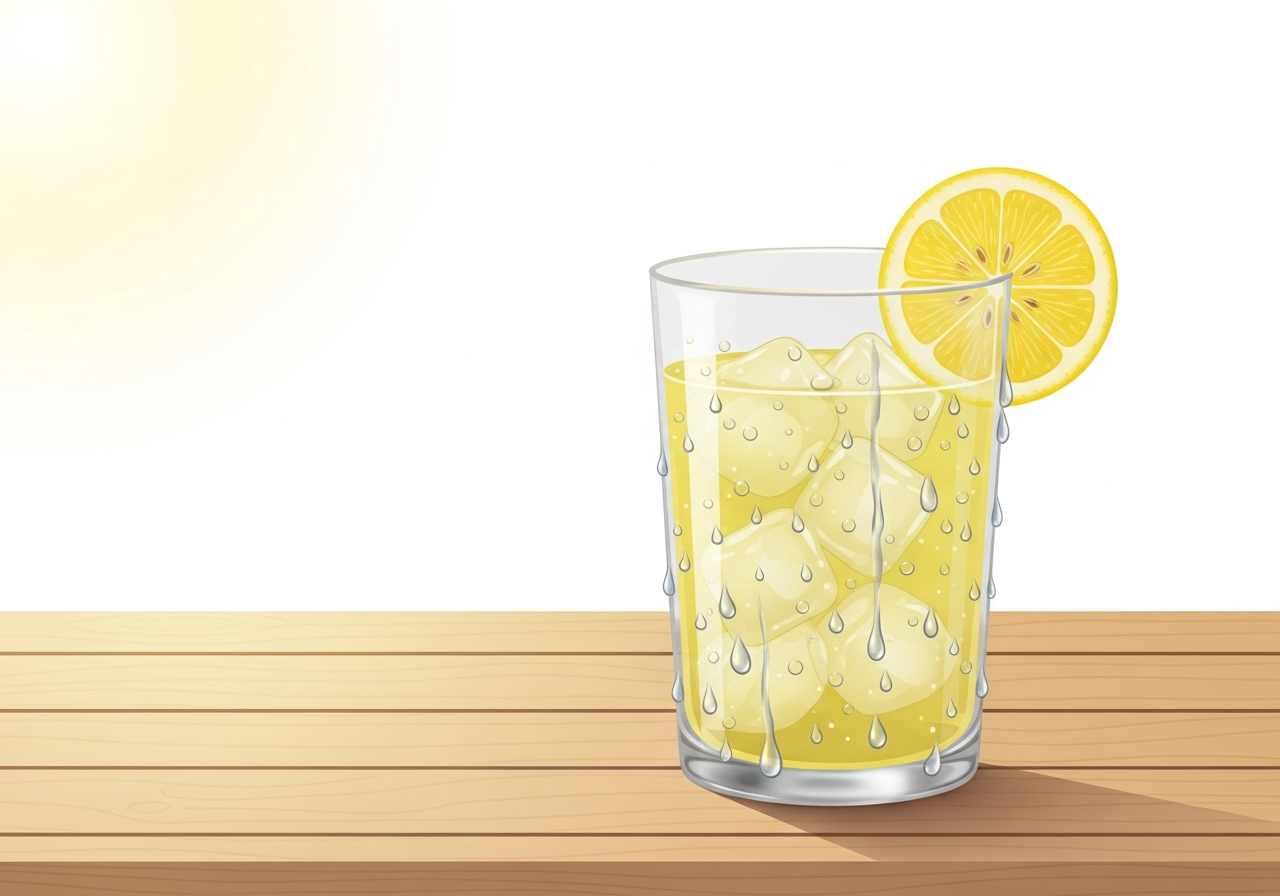
Condensation is when a gas loses heat and turns back into a liquid. Water droplets forming on a cold glass of lemonade or dew on grass in the morning are both examples of condensation. When you breathe on a cold mirror, the warm water vapor in your breath condenses into tiny liquid droplets.
Sublimation is a special phase change where a solid turns directly into a gas without becoming a liquid first. Dry ice (solid carbon dioxide) is a great example it skips the liquid stage entirely.
Deposition is the opposite of sublimation: a gas turns directly into a solid without passing through the liquid stage. Frost forming on a cold window is a classic example of deposition.
Key Terms & Definitions
Phase Change: A phase change is when matter shifts from one state to another solid, liquid, or gas because heat energy is added or removed.
Melting: Melting is the process where a solid absorbs heat energy and becomes a liquid. For example, ice melting into water or chocolate melting in your mouth.
Freezing: Freezing is when a liquid loses heat energy and becomes a solid. Water freezes into ice at 0°C (32°F).
Evaporation: Evaporation is when a liquid gains heat energy and changes into a gas. Puddles drying up on a hot day is evaporation in action.
Condensation: Condensation is when a gas loses heat energy and turns back into a liquid. Droplets on a cold glass or foggy breath on a cold day are examples.
Sublimation: Sublimation is when a solid changes directly into a gas without becoming a liquid first. Dry ice is the most well-known example.
Deposition: Deposition is when a gas changes directly into a solid, skipping the liquid stage. Frost forming on a cold window is an example of deposition.
Boiling Point: The boiling point is the specific temperature at which a liquid rapidly turns into a gas throughout its entire volume. For water, the boiling point is 100°C (212°F).
Freezing Point: The freezing point is the temperature at which a liquid turns into a solid. Water's freezing point is 0°C (32°F).
Solid: A solid is a state of matter where particles are tightly packed and only vibrate in place, giving the solid a definite shape and definite volume.
Liquid: A liquid is a state of matter where particles are close together but can slide past each other. A liquid has a definite volume but takes the shape of its container.
Gas: A gas is a state of matter where particles move very fast and spread far apart, filling any container completely. A gas has no definite shape or volume.
Everyday Examples of Phase Changes
You can spot phase changes all around you. When you leave an ice cube on a warm countertop, it first melts into liquid water, then slowly evaporates into water vapor. When you see your breath as a cloud on a cold winter day, warm water vapor from your lungs is condensing into tiny liquid droplets in the cold air.
Wet clothes dry faster on a hot, sunny day because more heat energy causes water to evaporate more quickly. Ice cream melts faster on a hot summer day than on a cool spring day because more heat transfers into it. These examples show how temperature directly controls phase changes a concept that connects to Matter Cycles: Water, Carbon, and Nitrogen Cycles, where phase changes like evaporation and condensation drive the water cycle.
Phase changes also connect to Physical Properties: Mass, Volume, and Density. For example, water expands when it freezes into ice, so ice takes up more space than the liquid water it came from that is why ice floats and why pipes can burst in freezing temperatures.
What You Should Already Know
Before studying phase changes, it helps to understand how heat moves from place to place. In Heat Transfer, Conduction, Convection, and Radiation, you learned that heat always moves from warmer objects to cooler ones that is exactly why your warm hand melts ice and why a cold glass collects condensation.
You also learned about Heat Sources: Natural and Artificial Sources, which explains where the heat energy that drives phase changes comes from the sun, fire, or electric appliances. Understanding Insulation: Materials and Heat Retention helps you see why some materials slow down phase changes by blocking heat transfer.
Related Topics & Connections
Phase changes are closely connected to Particle Theory: Arrangement and Movement of Particles. When you understand that adding heat makes particles move faster and farther apart, phase changes make perfect sense at the particle level.
You will also connect phase changes to Energy Types: Potential and Kinetic Energy and Energy Conversion: Transformations Between Forms, because phase changes involve converting heat energy into the kinetic energy of moving particles.
Phase changes are a type of physical change, which prepares you for Types of Changes: Physical vs. Chemical Changes. You will also use what you know about evaporation when you study Separation Methods: Filtration, Evaporation, and Distillation and Solution Properties: Concentration and Solubility. Understanding how substances mix and separate also connects to Mixtures: Heterogeneous and Homogeneous.
Phase changes also play a key role in Chemical Properties: Reactivity, pH, and Combustibility, since knowing whether a substance is a solid, liquid, or gas affects how it reacts with other substances.