TOPIC

Brain Processing, Neural signals and responses

MY PROGRESS

Pug Score

0%

Getting Started

"Let's build your foundation!"

Best Streak

0 in a row

Study Points

+0

Overview

Practice

Watch

Read

Quiz

Next Steps


Get Started

Get unlimited access to all videos, practice problems, and study tools.

Unlimited practice
Full videos

BACK TO MENU

Topic Progress

Pug Score

0%

Getting Started

"Let's build your foundation!"

Videos Watched

0/0

Best Practice

No score

Read

Not viewed

Best Quiz

No attempts


Best Streak

0 in a row

Study Points

+0

Overview

Practice

Watch

Read

Quiz

Next Steps

Read

How Your Brain Processes Neural Signals and Controls Your Body

You will learn how your brain processes signals from your senses and how your nervous system sends messages throughout your body to create responses.

How Your Brain Processes Neural Signals

Your brain is the most powerful organ in your body. It works like a control center, receiving messages from your five senses and deciding how your body should react. Every time you see, hear, smell, taste, or touch something, your brain is hard at work processing that information.

To understand how this works, it helps to first explore your Sensory Systems, Five Senses Structure and Function, which shows you how each sense organ collects information from the world around you.

What Are Neurons and Neural Signals?

Your nervous system is made up of special cells called neurons. Neurons carry messages through your body as electrical signals. These signals travel incredibly fast so your body can react quickly.

Nerves are bundles of neurons that connect your brain to every part of your body. Think of nerves like highways that carry important messages back and forth. Your brain, spinal cord, and all your nerves together make up your nervous system.

When your sense organs detect something like a bright light or a loud sound they send an electrical signal along nerves to your brain. Your brain then processes that signal and sends a response back to your body.

The Brain: Your Body's Control Center

Your brain is called the "control center" because it receives signals from all five sense organs, figures out what those signals mean, and tells your body how to react. Without your brain, your senses would collect information but nothing would happen with it.

The cerebrum is the large outer part of your brain. It processes your thoughts, memories, and sensory information. The visual cortex, located at the back of your brain, specifically processes what your eyes see.

Your spinal cord is a bundle of nerves running through your backbone. It acts as the main pathway carrying signals between your brain and the rest of your body.

What Is a Stimulus and a Response?

A stimulus is anything in your environment that causes a sense organ to react. For example, a loud bang is a stimulus for your ears, and a bright flash is a stimulus for your eyes.

A response is what your body does after your brain processes a stimulus. If you touch something hot, your response is to pull your hand away. If a bright light shines in your eyes, your response is to blink or squint.

You can explore how your body reacts to different stimuli in the topic Environmental Response, Reactions to Light, Touch, and Gravity.

Reflex Actions: Super-Fast Responses

Sometimes your body reacts so fast that your brain does not even finish processing the signal first. This is called a reflex action. A reflex is a fast, automatic response that happens without you thinking about it.

When you accidentally touch something very hot, your hand pulls away almost instantly even before you feel pain. This happens because the nerve signal travels to your spinal cord, which immediately sends an instruction to your muscles. The brain is bypassed to save time, making the response much faster.

Blinking when something flies toward your eye is another example of a reflex action. Reflexes help keep you safe from danger.

Your Five Sense Organs and How They Send Signals

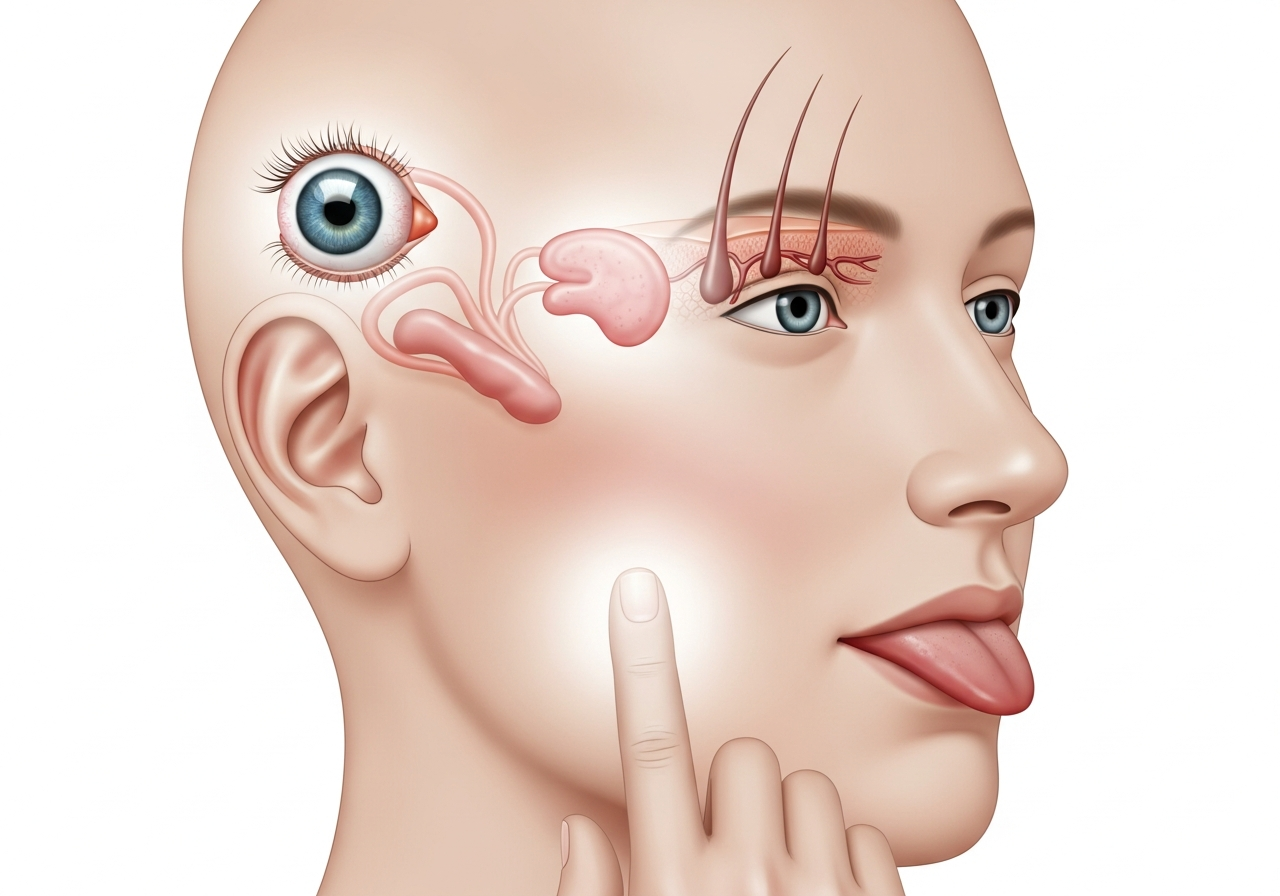
Each of your five sense organs is designed to detect a specific type of stimulus and send signals to your brain:

  • Eyes: Detect light using receptor cells in the retina (the light-sensitive layer at the back of your eye). Rod cells help you see in dim light, and cone cells detect color. Your pupil gets larger in the dark to let in more light.
  • Ears: Detect sound waves. Tiny bones inside your ear vibrate, and hair cells inside the cochlea convert those vibrations into nerve signals sent to your brain.
  • Nose: Tiny scent particles enter your nose and trigger smell receptors, which send signals to your brain so you can identify smells.
  • Tongue: Covered in taste buds that detect sweet, salty, sour, bitter, and savory flavors. Smell and taste work together to give you the full experience of flavor.
  • Skin: Contains sensory receptors that detect pressure, temperature, texture, and pain. Pain receptors (also called nociceptors) send warning signals to your brain when you are hurt.

You can learn more about how sound and light work as stimuli in Sound Properties, Pitch, Volume, and Wave Properties and Light Properties, Reflection, Refraction, and Color.
Key Terms and Definitions

Neuron: A neuron is a special cell in your body that carries messages. Neurons are the building blocks of your nervous system, and they send electrical signals from one part of your body to another.

Electrical Signal: An electrical signal is the type of message that travels through your nerve cells. When your sense organs detect something, they create an electrical signal that travels along neurons to your brain.

Brain: Your brain is the main organ that processes all the information your senses collect. It receives signals, figures out what they mean, and sends instructions to your body about how to respond.

Nerve: A nerve is a bundle of neurons that connects your brain and spinal cord to the rest of your body. Nerves act like highways, carrying messages back and forth very quickly.

Response: A response is what your body does after your brain processes a sensory signal. For example, pulling your hand away from something hot is a response to the feeling of pain and heat.

Nervous System: The nervous system includes your brain, spinal cord, and all your nerves. It controls how signals travel throughout your entire body.

Sensory Organs: Sensory organs are the body parts your eyes, ears, skin, nose, and tongue that collect information from the world and send it to your brain.

Spinal Cord: Your spinal cord is a bundle of nerves that runs through your backbone. It acts as the main pathway carrying signals between your brain and the rest of your body.

Motor Signals: Motor signals are messages your brain sends to your muscles, telling them what to do. After your brain processes sensory information, it uses motor signals to create a response.

Reflex Action: A reflex action is a fast, automatic response that happens without you thinking about it. Reflexes happen so quickly because the signal goes through the spinal cord before reaching the brain.

Stimulus: A stimulus is something in your environment that causes a sense organ to react. Light, sound, heat, and pressure are all examples of stimuli.

Retina: The retina is the light-sensitive layer at the back of your eye. It contains rod and cone cells that detect light and send signals to your brain.

Cochlea: The cochlea is the spiral-shaped part of your inner ear. It contains tiny hair cells that convert sound vibrations into nerve signals sent to your brain.

Cerebrum: The cerebrum is the large outer part of your brain. It processes your thoughts, senses, memories, and decisions.

Visual Cortex: The visual cortex is the part of your brain at the back that processes everything your eyes see. It interprets the signals from your retina and helps you understand what you are looking at.

Sensory Receptors: Sensory receptors are special nerve endings found in your skin and sense organs. They detect stimuli like pressure, heat, pain, and texture, and send signals to your brain.

Taste Buds: Taste buds are tiny sensory organs on your tongue that detect flavors like sweet, salty, sour, bitter, and savory.

Pain Receptors: Pain receptors (nociceptors) are special nerve endings in your skin and tissues that detect harmful stimuli and send warning signals to your brain so you know you are hurt.

Practice Activities

You can strengthen your understanding of brain processing and neural signals by trying these activities:

  • Draw a diagram showing the path a signal takes from your fingertip to your brain and back. Label the sense organ, nerves, spinal cord, and brain.
  • Test your reflex by having someone gently tap just below your kneecap. Notice how your leg kicks automatically that is a reflex action!
  • Close your eyes and have someone place different objects in your hand. Try to identify each object using only your sense of touch. Think about which sensory receptors in your skin are sending signals to your brain.

As you explore these activities, think about how Cells to Systems, Hierarchical Organization of Life connects to what you are learning your neurons are cells that work together to form the nervous system.

Building on What You Know

This topic connects directly to your understanding of the five senses. Before diving deeper, make sure you are comfortable with how each sense organ works by reviewing Sensory Systems, Five Senses Structure and Function.

As you master brain processing and neural signals, you will be ready to explore more advanced body systems, including Heart Function, Cardiac Cycle and Circulation, Gas Exchange, Breathing and Cellular Respiration, and System Integration, Connection Between Systems.

Related Topics and Connections

Understanding brain processing and neural signals connects to many other fascinating science topics: