Topic
Gas Exchange, Breathing and cellular respirationMy Progress
Pug Score
0%
Getting Started
Let's build your foundation!
Best Streak
0 in a row
Study Points
+0
Overview
Practice
Read
Quiz
Next Steps
Back to Menu
Topic Progress
Pug Score
0%
Getting Started
"Let's build your foundation!"
Best Practice
No score
Read
Not viewed
Best Quiz
No attempts
Best Streak
0 in a row
Study Points
+0
Overview
Practice
Read
Quiz
Next Steps
Read
Breathe In, Power Up: How Your Body Uses Oxygen to Make Energy
You will learn how your respiratory system moves air in and out of your body, how gas exchange happens in your lungs, and how your cells use oxygen to release energy through cellular respiration.
What Is the Respiratory System?
Your respiratory system is the team of organs that brings oxygen into your body and removes carbon dioxide. Every breath you take is part of this system working to keep your cells alive and energized. You can explore how this connects to System Integration the way all your body systems work together.
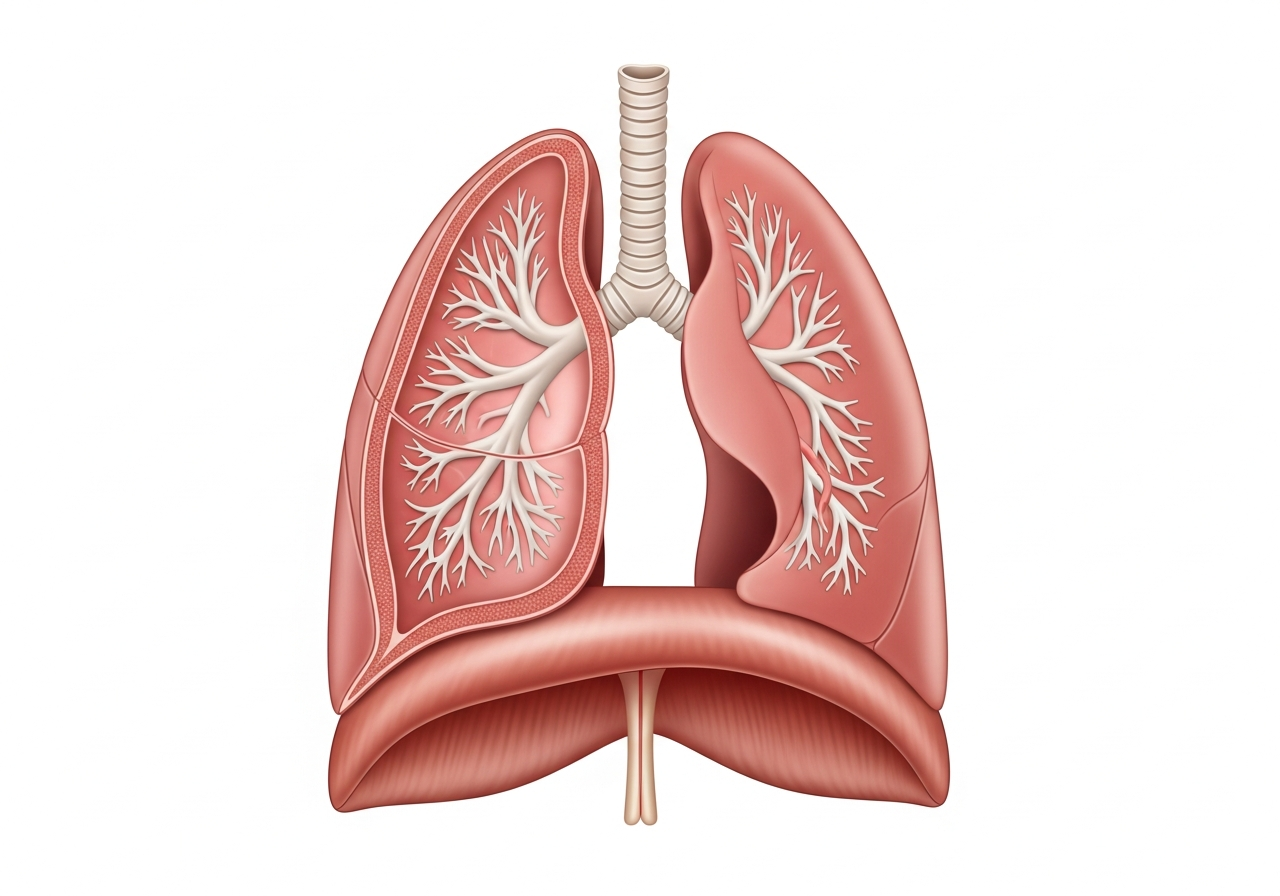
The Path Air Takes When You Breathe In
When you inhale, air travels in a specific order: nose throat trachea bronchi bronchioles alveoli. The trachea (also called the windpipe) is the main tube that carries air down to your lungs. It splits into two bronchi, which branch into smaller bronchioles, and finally into tiny air sacs called alveoli.
The epiglottis is a small flap of tissue at the back of your throat that closes over the trachea when you swallow, so food does not enter your airway. Tiny hair-like structures called cilia line your airways and sweep mucus and trapped particles away from your lungs, keeping them clean.

Gas Exchange in the Alveoli
Gas exchange is the process where oxygen moves from the air into your blood, and carbon dioxide moves from your blood into the air to be exhaled. This happens in the alveoli millions of tiny balloon-like air sacs deep inside your lungs.
The walls of the alveoli are only one cell thick, which lets gases diffuse (move) quickly across them. Surrounding each alveolus is a network of tiny blood vessels called capillaries. Oxygen crosses from the alveoli into the capillaries, where it binds to red blood cells that contain a protein called hemoglobin. Carbon dioxide travels in the opposite direction from the blood into the alveoli and is then exhaled.
How the Diaphragm Controls Breathing
The diaphragm is a large, dome-shaped muscle located just below your lungs. When you inhale, it contracts and moves downward, making your chest cavity bigger so air rushes in. When you exhale, it relaxes and moves back up, pushing air including carbon dioxide out of your lungs.
Breathing has two steps: inhalation (breathing in) and exhalation (breathing out). During exhalation, your chest cavity gets smaller and carbon dioxide and water vapor are pushed out. This connects directly to Blood and Vessels and Heart Function, because the circulatory system carries oxygen-rich blood from your lungs to every cell in your body.
Cellular Respiration: How Your Cells Make Energy
Cellular respiration is the chemical process that happens inside every cell, where glucose (a sugar from food) is broken down using oxygen to release energy. This energy powers everything your cells do from moving your muscles to building proteins.
The equation that summarizes cellular respiration is: Glucose + Oxygen Carbon Dioxide + Water + Energy. The waste products carbon dioxide and water are removed from your body through exhalation, sweat, and urine. You can connect this to Energy Conversion and Types of Energy, since cellular respiration transforms chemical energy in food into usable energy for your body.
Breathing vs. Cellular Respiration
Breathing is the physical process of moving air in and out of your lungs. Cellular respiration is a chemical process that happens inside the mitochondria of your cells. They are related but different breathing delivers the oxygen that cells need for cellular respiration.
When you exercise, your muscles need more energy, so cellular respiration speeds up. Your body uses more oxygen and produces more carbon dioxide, which is why you breathe faster during a race or workout. If you hold your breath, carbon dioxide builds up in your blood and your brain sends a strong signal to breathe again.
How Photosynthesis and Cellular Respiration Connect
Plants make glucose and oxygen through photosynthesis using sunlight, carbon dioxide, and water. You and other animals then use that glucose and oxygen for cellular respiration to release energy creating a natural cycle. This links to Energy Flow in food webs and energy pyramids.
Key Terms and Definitions
Respiratory System: The group of organs including your nose, trachea, lungs, and diaphragm that work together to bring oxygen into your body and remove carbon dioxide.
Breathing (Ventilation): The physical process of moving air into and out of your lungs through inhalation and exhalation.
Inhalation: The act of breathing in your diaphragm contracts and moves down, pulling air into your lungs.
Exhalation: The act of breathing out your diaphragm relaxes and moves up, pushing air out of your lungs.
Gas Exchange: The process where oxygen moves from the alveoli into the blood, and carbon dioxide moves from the blood into the alveoli to be exhaled.
Alveoli: Tiny balloon-like air sacs deep inside your lungs where gas exchange takes place. Their thin walls and surrounding capillaries allow gases to pass through quickly.
Trachea: Also called the windpipe, this is the tube that carries air from your throat down to your lungs.
Bronchi: The two large tubes that branch off from the trachea and carry air into each lung.
Bronchioles: Smaller tubes that branch off from the bronchi and carry air deeper into the lungs toward the alveoli.
Diaphragm: A large, dome-shaped muscle below your lungs that is the main breathing muscle. It contracts when you inhale and relaxes when you exhale.
Capillaries: The tiniest blood vessels in your body that wrap around the alveoli to allow efficient gas exchange between the air and your blood.
Oxygen: A gas you breathe in that your cells need to carry out cellular respiration and produce energy.
Carbon Dioxide: A waste gas produced by cells during cellular respiration that travels through your blood to your lungs and is exhaled.
Cellular Respiration: The chemical process inside every cell where glucose and oxygen are used to release energy, producing carbon dioxide and water as waste products. It takes place in the mitochondria.
Glucose: A sugar that comes from the food you eat and is the main fuel used by your cells during cellular respiration.
Hemoglobin: A protein found in red blood cells that binds to oxygen in the lungs and carries it through the bloodstream to all body cells.
Epiglottis: A small flap of tissue at the back of your throat that closes over the trachea when you swallow, preventing food from entering your airway.
Cilia: Tiny hair-like structures lining your airways that sweep mucus and trapped dust or germs away from your lungs to keep them clean and healthy.
Diffusion: The movement of gases (like oxygen and carbon dioxide) from an area of higher concentration to lower concentration this is how gas exchange happens across the alveoli walls.
Mitochondria: The parts of a cell where cellular respiration takes place and energy is produced from glucose and oxygen.
Photosynthesis: A process in plant cells that uses sunlight, carbon dioxide, and water to make glucose and oxygen the opposite of cellular respiration.
Practice and Apply What You Know
You can test your understanding by tracing the path of a single oxygen molecule from the air you breathe all the way to a muscle cell. Start at your nose, follow it through the trachea, bronchi, bronchioles, and alveoli, then into the capillaries and bloodstream, and finally into a cell's mitochondria where it helps release energy.
You can also practice writing the cellular respiration equation from memory: Glucose + Oxygen Carbon Dioxide + Water + Energy. Try explaining the difference between breathing and cellular respiration in your own words this is a key distinction you will encounter in your practice questions. Connect your learning to Cell Functions and Cell Components to see how organelles like the mitochondria fit into the bigger picture.
Building on What You Already Know
Before exploring gas exchange and cellular respiration, you should be familiar with some important foundational ideas. Understanding Matter Cycles including the water, carbon, and nitrogen cycles helps you see how carbon dioxide and oxygen move through living systems. Your knowledge of Particle Theory explains why gases like oxygen and carbon dioxide can diffuse across thin membranes.
You also learned about Phase Changes and how temperature affects the state of matter, which connects to how water vapor is exhaled. Your earlier study of Sensory Systems and Brain Processing helps you understand how your brain detects rising carbon dioxide levels and signals your body to breathe faster.
Related Topics and Connections
This topic connects to many other important areas of science. The Blood and Vessels topic shows you how oxygen-rich blood is transported from your lungs to every cell. Heart Function explains how the cardiac cycle pumps that blood throughout your body making the circulatory and respiratory systems true partners.
You can also connect gas exchange to Digestion Process and Nutrient Absorption, since the glucose used in cellular respiration comes from the food your digestive system breaks down. The Cells to Systems topic helps you see how individual cells, tissues, organs, and organ systems are organized in a hierarchy.
Looking ahead, you will build on this knowledge in Cell Functions and Cell Components, where you will study organelles like the mitochondria in more detail. Basic Principles of cell biology and Air Properties including the composition and layers of the atmosphere will also extend your understanding of the gases involved in breathing. Finally, System Integration will show you how the respiratory, circulatory, and digestive systems all work together to keep your body functioning, and Energy Flow will connect cellular respiration to food webs and energy pyramids in ecosystems.