TOPIC

Plant Responses, Reactions to light, water, touch

MY PROGRESS

Pug Score

0%

Best Streak

0 in a row

Study Points

+0

Overview

Practice

Watch

Read

Quiz

Next Steps


Get Started

Get unlimited access to all videos, practice problems, and study tools.

Unlimited practice
Full videos

Back to Menu

Topic Progress

Pug Score

0%

Videos Watched

0/0

Best Practice

No score

Read

Not viewed

Best Quiz

No attempts


Best Streak

0 in a row

Study Points

+0

Read

Watch Plants Move! Reactions to Light, Water, and Touch

You will learn how plants respond to light, water, and touch, and why these reactions help plants stay healthy and grow strong.

How Do Plants Respond to Light, Water, and Touch?

Did you know that plants can move and react to things around them? Just like you react when something touches your arm, plants have their own special ways of responding to the world. You will discover three amazing plant responses: reactions to light, reactions to water, and reactions to touch.

You already know about plant features like roots, stems, leaves, flowers, and seeds. Now you will see how those parts help plants react and stay healthy!
Plants React to Light: Phototropism

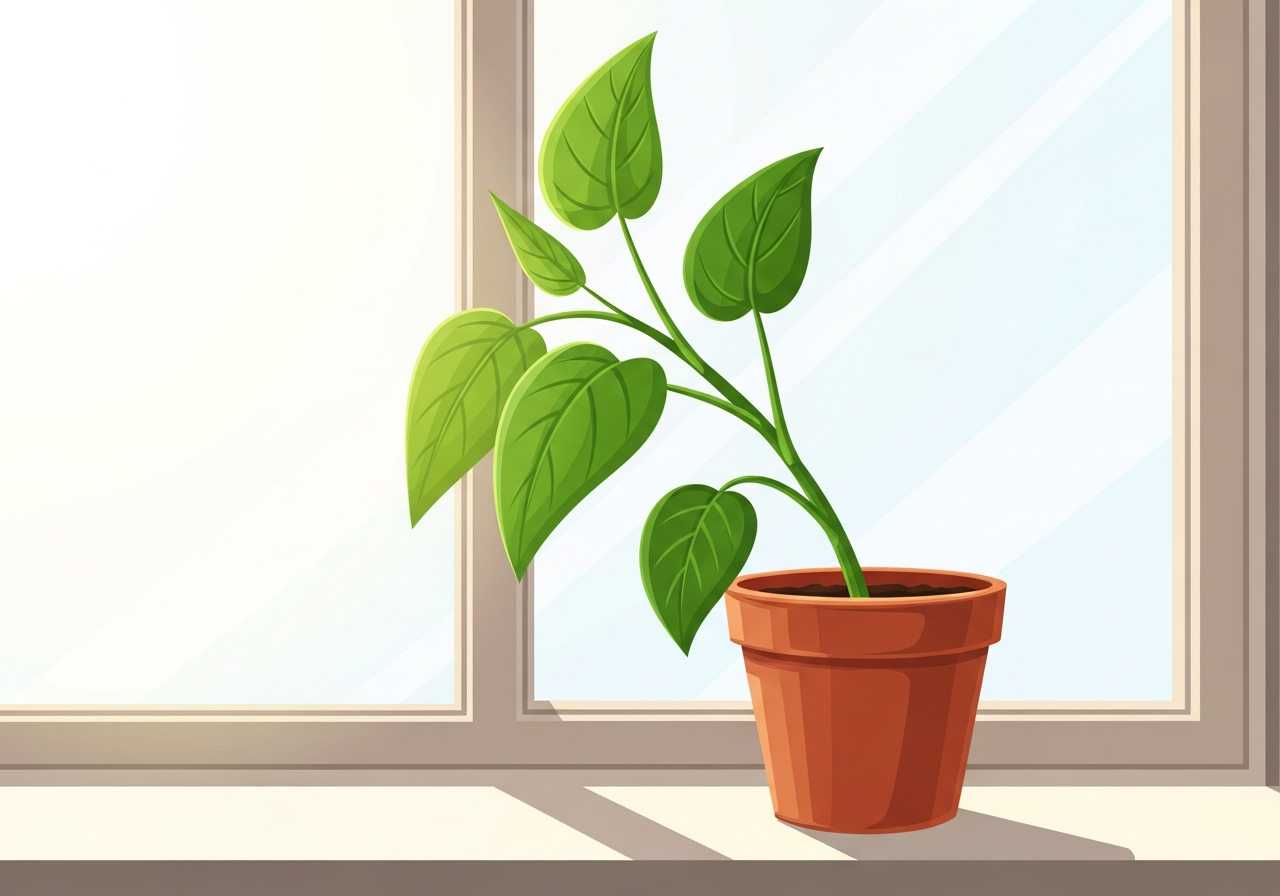
Have you ever noticed a plant bending toward a window? Plants grow toward light because they need it to make their own food. This is called phototropism.

When you place a plant near a window, the stem bends toward the bright light. If you turn the pot around, the plant will slowly bend back toward the window again! Plants like sunflowers and bean plants do this all the time.

Plants need light to grow strong and healthy. This connects to what you will learn about how the sun moves each day and light properties like sources and shadows.

Plants React to Water: Wilting and Perking Up

When a plant does not get enough water, its leaves droop down. This is called wilting. A wilting plant looks sad and floppy, just like how you feel tired when you are thirsty.

When you water a thirsty plant, something amazing happens! The leaves stand back up and the plant looks healthy again. Water fills the plant's cells and makes them firm and strong. You can watch this happen with plants at home or in your classroom!

Learning about basic requirements like air, water, food, shelter, and space helps you understand why water is so important for plants.

Plants React to Touch: Thigmonasty

Some special plants can feel when something touches them! The sensitive plant, also called Mimosa pudica, folds its leaves closed when you touch it. This is called thigmonasty.

Plants close their leaves to protect themselves from insects or animals that might eat them. It is like how you pull your hand away from something hot to stay safe. Plants have their own way of staying safe too!

What Is Tropism?

Tropism is the word for how plants move or grow toward things they need. When a plant grows toward light, that is a tropism. Plants use tropisms to find what they need to survive and grow.

You can connect this to what makes something a living thing and how different organisms grow and change.

Key Terms and Definitions

Phototropism: Phototropism is when a plant grows or bends toward a light source. You can see phototropism when a plant leans toward a sunny window.

Tropism: Tropism is the way a plant moves or grows toward something it needs, like light or water. It is how plants respond to their environment.

Thigmonasty: Thigmonasty is when a plant reacts to being touched. The sensitive plant folds its leaves when you touch it as a way to protect itself.

Wilting: Wilting is when a plant's leaves droop and look floppy because the plant does not have enough water. When you water a wilting plant, it perks back up.

Sensitive Plant: The sensitive plant, or Mimosa pudica, is a special plant that closes its leaves when touched. You might find one in a classroom or garden.

Photosynthesis: Photosynthesis is how plants make their own food using light. This is why plants need to grow toward light sources.

Try It Yourself: Observe Plant Responses

You can use your observation skills to watch plant responses at home or school! Place a plant near a window and check it every day. Do you see it bending toward the light?

Try watering a droopy plant and watch what happens to the leaves. You are being a scientist when you observe and record what you see! You can also practice collecting and recording your observations to track how the plant changes.

What You Already Know and What Comes Next

You already learned about how plants and animals are different in the ways they meet their needs and about basic patterns of growth in plants and animals. These ideas help you understand why plants respond to light and water.

Next, you will explore plant adaptations and structural features, plant life cycles and seed production, and even major plant groups. Understanding how plants respond to their environment is a great first step!

Related Topics and Connections

Learning about plant responses connects to many other exciting topics! You can explore the functions of plant parts like roots, stems, leaves, and flowers to understand how each part helps the plant respond and survive.

You will also find connections to plant classification and major plant groups, how parent plants and offspring look similar, and how seasonal changes affect plants. Plants in your community habitat show these responses every day! Understanding the water cycle and weather patterns will also help you see why plants need water and light to grow.