TOPIC
Natural Systems, Environmental relationshipsMY PROGRESS
Pug Score
0%
Getting Started
"Let's build your foundation!"
Best Streak
0 in a row
Study Points
+0
Overview
Practice
Watch
Read
Quiz
Next Steps
Get Started
Get unlimited access to all videos, practice problems, and study tools.
BACK TO MENU
Topic Progress
Pug Score
0%
Getting Started
"Let's build your foundation!"
Videos Watched
0/0
Best Practice
No score
Read
Not viewed
Best Quiz
No attempts
Best Streak
0 in a row
Study Points
+0
Overview
Practice
Watch
Read
Quiz
Next Steps
Read
Discover Natural Systems and Environmental Relationships Through Traditional Knowledge
You will explore how traditional knowledge and environmental science together reveal the complex relationships between living things and their natural surroundings.
What Are Natural Systems and Environmental Relationships?
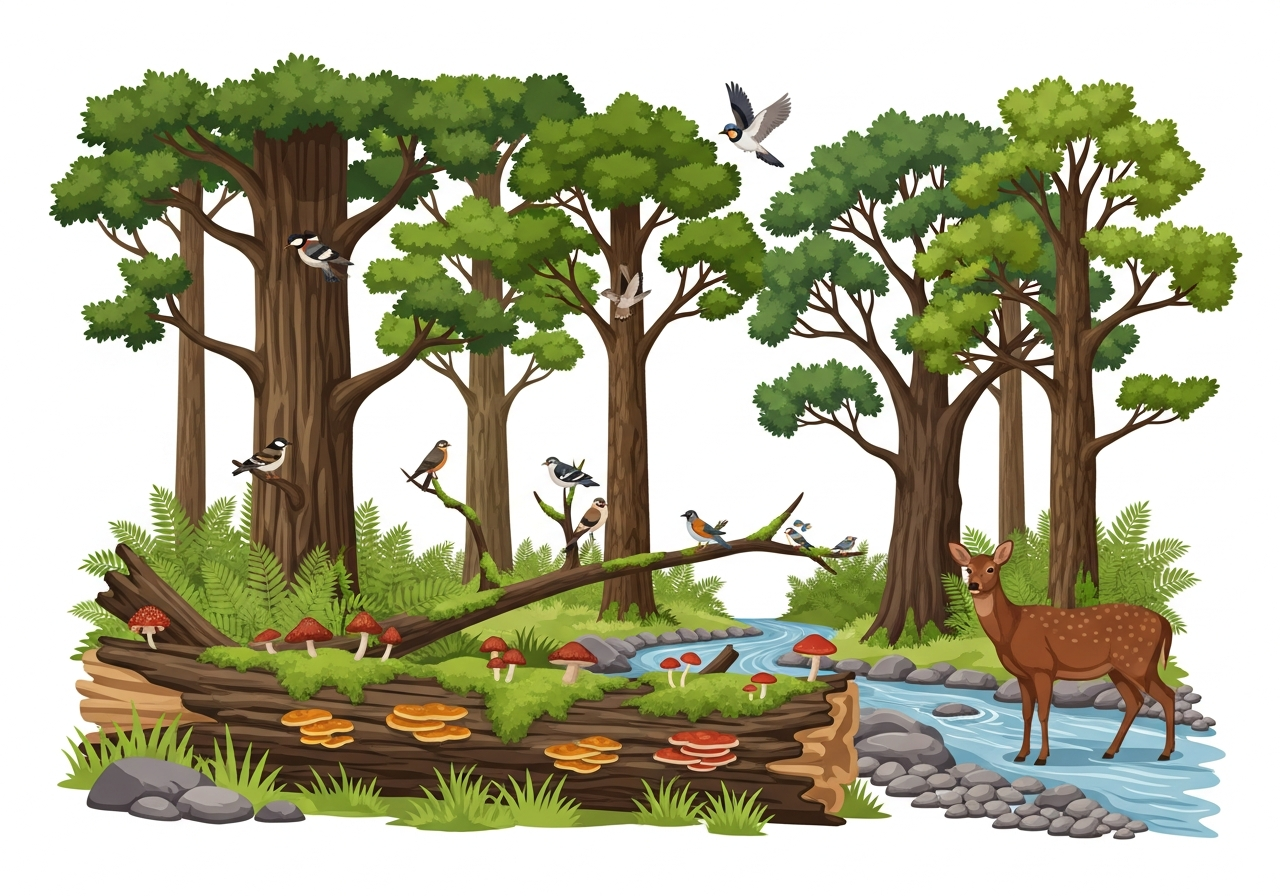
A natural system is a community of living and non-living things that interact with each other in a specific area. You can think of it as a giant web where every part affects every other part.
When you study natural systems, you discover that nothing in nature works alone. Plants, animals, soil, water, and sunlight are all connected through complex relationships that keep ecosystems healthy and balanced.
Traditional Knowledge and Natural Systems
Traditional knowledge refers to the wisdom, skills, and practices that Indigenous and local communities have developed and passed down through generations about the natural world. It includes detailed observations about plants, animals, weather patterns, and ecological relationships built over centuries.
Unlike formal scientific research, traditional knowledge is often shared orally through stories, songs, ceremonies, and lived experience. When an elder teaches younger community members which plants can be used as medicine and how to harvest them without harming the plant population, that is traditional ecological knowledge in action.
Many Indigenous communities describe humans as one part of a larger, interconnected web of life not separate from or above nature. This perspective encourages respectful and sustainable relationships with the natural world.
Key Principles of Traditional Ecological Knowledge
Interconnectedness means that all living and non-living things in an ecosystem affect and depend on each other. A change in one part of the system ripples through and affects many other parts.
Reciprocity means giving back to nature in return for what has been taken, maintaining a balanced relationship. This might involve leaving offerings, planting as much as is harvested, or protecting habitats.
Sustainability means using resources at a rate that allows them to naturally replenish. Traditional knowledge systems have embedded sustainability principles into cultural practices for thousands of years.
Biotic and Abiotic Factors in Ecosystems
Every ecosystem contains two types of factors that shape its health. Biotic factors are the living parts of an ecosystem plants, animals, fungi, and microorganisms. Abiotic factors are the non-living physical conditions temperature, water, sunlight, and soil.
For example, in a freshwater lake, rising water temperature (abiotic) reduces dissolved oxygen and stresses fish, while invasive species (biotic) compete with native fish for food. Both types of factors work together to determine ecosystem health.

Symbiotic Relationships in Natural Systems
Symbiosis is the broad term for any long-term, close relationship between two different species. There are three main types based on how each partner is affected.
Mutualism is a relationship where both organisms benefit. The clownfish and sea anemone are a classic example the clownfish gains protection from the anemone's stinging tentacles, while the anemone benefits from the clownfish chasing away predators and receiving nutrients from the fish's waste.
Parasitism is a relationship where one organism benefits and the other is harmed. A tick feeding on a host animal is an example the tick gains nutrients while the host is harmed.
Commensalism is a relationship where one organism benefits and the other is unaffected. A barnacle living on a whale benefits by getting transportation to food-rich waters, while the whale is neither helped nor harmed.
Food Webs, Producers, Consumers, and Decomposers
A food web is a network showing how energy and nutrients flow between many species in an ecosystem. It is more realistic than a simple food chain because most animals eat multiple things and are eaten by multiple predators.
Producers capture energy from the sun through photosynthesis and form the foundation of food webs. Primary consumers eat producers, and secondary consumers eat primary consumers energy transfers up the food chain with each step.
Decomposers such as bacteria and fungi are vital recyclers. When a large tree falls and dies, decomposers break down the dead wood and return nutrients to the soil, where plants can absorb them again. This process is called nutrient cycling and is essential for keeping ecosystems healthy.
Predator-Prey Relationships and Population Cycles
Natural systems are self-regulating. In a northern ecosystem, when wolf numbers increase, caribou populations drop. When caribou fall, wolves then decline due to reduced food. As wolves decline, caribou recover and the cycle repeats. This demonstrates that no single population grows without limit because changes in one population affect the other.
Keystone Species and Biodiversity
A keystone species is a species that plays a critical role in keeping the entire ecosystem balanced and functioning properly. Its removal can cause dramatic changes throughout the entire system. Many Indigenous communities have long recognized certain animals or plants as especially important to ecosystem balance.
Biodiversity the variety of species in an ecosystem increases stability because different species perform different roles. Ecosystems with high biodiversity are generally more resilient to disturbances like drought, disease, or human activity. Traditional knowledge perspectives emphasize that every species, no matter how small, contributes to the functioning of the whole ecosystem.
Ecological Indicators and Traditional Observation
An ecological indicator is a plant or animal whose presence or behavior signals the health or condition of the surrounding environment. Traditional knowledge systems have identified many such indicators through long observation specific birds whose return signals safe planting times, or lichens whose presence indicates clean air quality.
Indigenous seasonal calendars track the timing of plant growth, animal migration, and weather to guide sustainable harvesting practices. These calendars represent generations of careful observation and reflect a deep understanding of how natural systems change through time.
Key Terms & Definitions
Traditional Knowledge: The wisdom, skills, and practices that Indigenous and local communities have developed and passed down through generations about the natural world, including observations about plants, animals, weather, and ecosystems.
Symbiosis: Any long-term, close relationship between two different species. It is the broad umbrella term that includes mutualism, parasitism, and commensalism.
Mutualism: A type of symbiosis where both organisms benefit from the relationship. Example: the clownfish and sea anemone both gain advantages from living together.
Parasitism: A type of symbiosis where one organism benefits and the other is harmed. Example: a tick feeding on a host animal.
Commensalism: A type of symbiosis where one organism benefits and the other is unaffected. Example: a barnacle living on a whale.
Biotic Factors: The living parts of an ecosystem, including all plants, animals, fungi, and microorganisms that interact with each other.
Abiotic Factors: The non-living physical conditions in an ecosystem, such as temperature, water, sunlight, and soil, that shape where and how living things survive.
Ecosystem: A community of living organisms interacting with each other and their physical surroundings as a system.
Food Web: A network showing how energy and nutrients flow between many species in an ecosystem through feeding relationships.
Producers: Living things, mainly green plants and algae, that capture energy from the sun through photosynthesis and form the foundation of food webs.
Primary Consumers: Organisms that eat producers (plants or algae) directly. They are the first level of consumers in a food web.
Secondary Consumers: Organisms that eat primary consumers. Energy transfers up the food chain with each step.
Decomposers: Organisms such as bacteria and fungi that break down dead organic matter and return important nutrients back into the soil and environment, making nutrient cycling possible.
Nutrient Cycling: The process by which nutrients are broken down and returned to the environment by decomposers so that producers can use them again.
Keystone Species: A species whose presence has a very large effect on the balance and health of its ecosystem. Removing a keystone species can cause the ecosystem to change dramatically.
Biodiversity: The variety of different species living in an ecosystem. High biodiversity makes ecosystems more stable and better able to recover from disturbances.
Interconnectedness: The idea that all living and non-living things in an ecosystem affect and depend on each other, so a change in one part ripples through the whole system.
Reciprocity: The practice of giving back to nature in return for what has been taken, maintaining a balanced and respectful relationship with the natural world.
Sustainability: Using natural resources at a rate that allows ecosystems to recover and continue providing those resources into the future.
Ecological Indicator: A plant or animal whose presence or behavior signals the health or condition of the surrounding environment. Traditional knowledge systems use these to monitor ecosystem health.
Traditional Ecological Knowledge: The specific branch of traditional knowledge focused on understanding ecosystems, including plants, animals, weather, and ecological relationships, built through generations of careful observation.
Practice Activities for Natural Systems and Traditional Knowledge
You can strengthen your understanding by identifying the type of symbiotic relationship in different scenarios ask yourself: does each organism benefit, get harmed, or stay unaffected? This will help you distinguish between mutualism, parasitism, and commensalism.
You can also practice identifying biotic and abiotic factors in a described ecosystem, then explain how each factor might affect the health of that system. Connecting Environmental Science, Resource Management, and Sustainable Practices to what you learn here will deepen your understanding of how traditional knowledge guides responsible resource use.
Building Your Knowledge Foundation
This topic does not require specific prerequisite topics you are building foundational knowledge about natural systems from the ground up. As you master these concepts, you will be well prepared to explore more advanced environmental topics.
The ideas you learn here about ecosystems, symbiosis, and traditional knowledge connect directly to broader environmental science and resource management. Understanding how natural systems work gives you the tools to think critically about sustainability and conservation in the real world.
Related Topics & Connections
The concepts you explore in this topic connect closely to Environmental Science, Resource Management, and Sustainable Practices (Topic 7953). Once you understand how natural systems and ecological relationships work, you are ready to explore how humans manage resources and make sustainable decisions.
Traditional knowledge principles like reciprocity and sustainability are the foundation of responsible resource management. When you study how Indigenous communities have maintained healthy ecosystems for thousands of years, you gain powerful insights into the environmental science and conservation strategies used today. These two topics reinforce each other natural systems knowledge explains why sustainable practices matter, and sustainable practices show you how to protect the natural systems you have learned about.