TOPIC
Insulation, Materials and heat retentionMY PROGRESS
Pug Score
0%
Getting Started
"Let's build your foundation!"
Best Streak
0 in a row
Study Points
+0
Overview
Practice
Watch
Read
Quiz
Next Steps
Get Started
Get unlimited access to all videos, practice problems, and study tools.
BACK TO MENU
Topic Progress
Pug Score
0%
Getting Started
"Let's build your foundation!"
Videos Watched
0/0
Best Practice
No score
Read
Not viewed
Best Quiz
No attempts
Best Streak
0 in a row
Study Points
+0
Overview
Practice
Watch
Read
Quiz
Next Steps
Read
Discover How Insulation Keeps Things Warm or Cold!
You will learn how insulation slows heat movement and discover which materials are best at keeping things warm or cold.
What Is Insulation and Why Does It Matter?
When you hold a warm cup of hot chocolate, you want it to stay warm as long as possible. Insulation is what helps make that happen! Insulation slows down the movement of thermal energy the heat energy found inside objects from one place to another.
You already know from Heat Energy, Sources and Transfer that heat always moves from warmer objects to cooler ones. Insulation is the tool that slows that movement down, keeping warm things warm and cold things cold for longer.
Conductors vs. Insulators
Not all materials behave the same way with heat. A conductor is a material that lets heat pass through it very easily and quickly. Metal is a great example a metal spoon in hot soup gets warm very fast because metal conducts heat well.
An insulator is the opposite. It slows heat from moving through it. Wool, foam, cotton, and feathers are all good insulators because they trap tiny pockets of air between their fibers. Air is a poor conductor of heat, which makes trapped air one of the best natural insulators you can find!
You can explore more about how heat moves in Heat Transfer: Conduction, Convection, and Radiation.
How Different Materials Compare
When scientists test materials, they wrap warm objects in different coverings and measure how much heat is lost over time. The material that loses the least heat is the best insulator.
| Material | Starting Temp (°C) | Temp After 10 Min (°C) | Heat Lost (°C) |
|---|---|---|---|
| No covering | 70 | 45 | 25 |
| Paper | 70 | 55 | 15 |
| Wool | 70 | 62 | 8 |
| Foam | 70 | 65 | 5 |
You can see that foam lost only 5°C the smallest drop making it the best insulator in this test. A cup with no covering lost the most heat at 25°C. This kind of experiment connects to what you learned in Testing Solutions: Evaluating Effectiveness and Investigation Design: Planning Simple Experiments.
Insulation in Everyday Life and Nature
You see insulation working all around you every day! When you wear a puffy winter jacket, the fluffy filling traps air and slows your body heat from escaping into the cold air. When you use a foam cup for a cold drink, the foam slows heat from the warm room from getting into your drink.
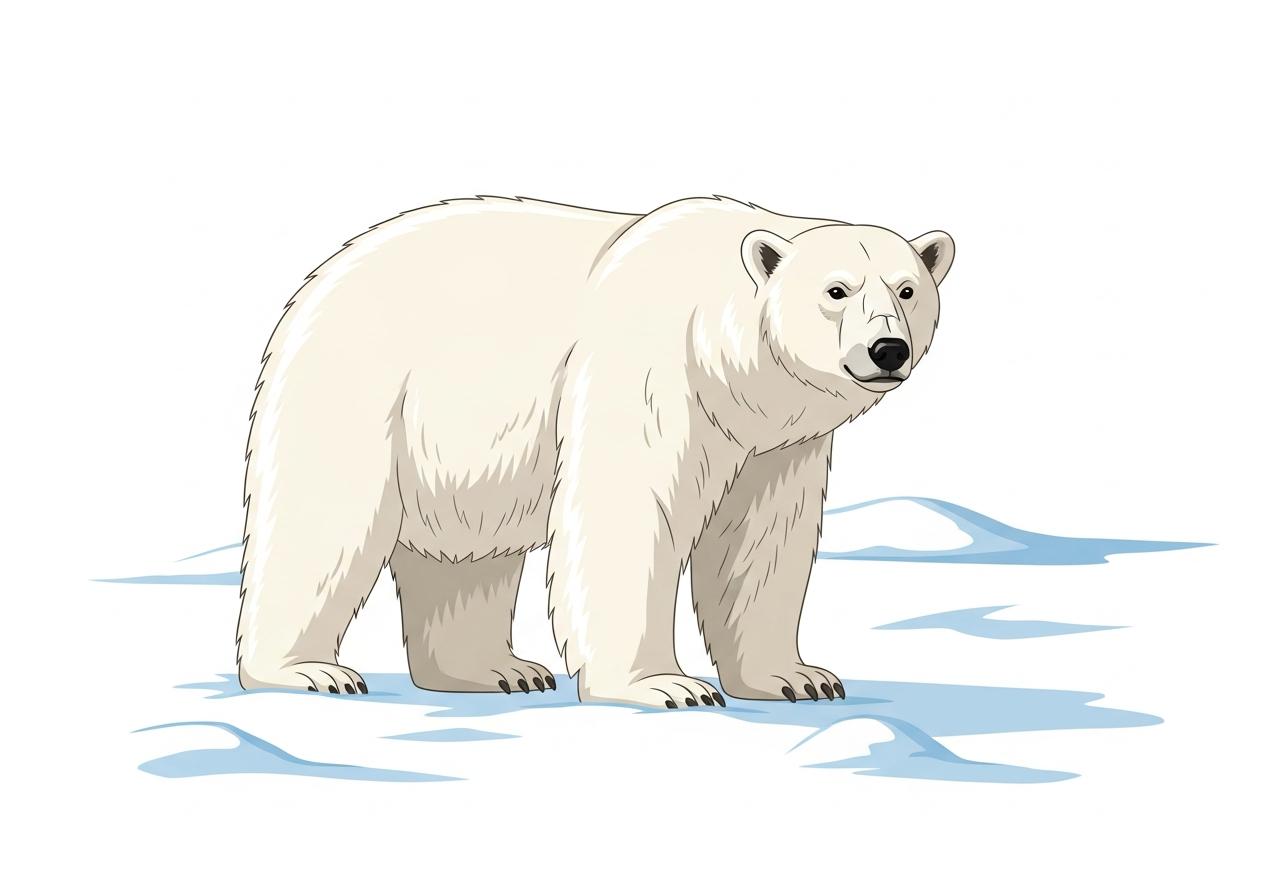
Nature uses insulation too. Bears grow thick fur coats in winter to trap warm air close to their bodies. Whales have a thick layer of blubber under their skin that keeps them warm in cold ocean water. Birds fluff their feathers to trap more air and stay warm on cold days.
Houses also use insulation inside their walls and ceilings to keep warm air inside during winter. Double-pane windows trap a layer of air between two panes of glass to slow heat from escaping. You can connect these design ideas to Solution Design: Creating and Testing Solutions and Optimization: Improving Designs.
Key Terms and Definitions
Thermal Energy: Thermal energy is the heat energy found inside an object or material. The tiny particles inside every object are always moving, and that movement creates thermal energy. The faster the particles move, the more thermal energy the object has.
Insulation: Insulation is a material or layer that slows down the movement of heat from one place to another. When you wrap something in an insulating material, heat moves in or out much more slowly, keeping warm things warm and cold things cold for longer.
Insulator: An insulator is a material that does not let heat pass through it easily. Wool, foam, cotton, feathers, and rubber are all good insulators. They work by trapping air in tiny spaces, and air is a poor conductor of heat.
Conductor: A conductor is a material that lets heat pass through it very easily and quickly. Metals like copper, aluminum, and steel are excellent conductors. This is why metal pots heat up fast on a stove and why a metal bench feels colder than a wooden bench on the same cold day.
Heat Retention: Heat retention means how well a material holds heat inside without letting it escape. A material with good heat retention keeps warmth inside for a long time. Foam and wool have high heat retention, while metal has very low heat retention.
Temperature: Temperature tells you how hot or cold something is. It is measured in degrees Celsius (°C). When an object loses heat, its temperature goes down. When it gains heat, its temperature goes up.
Absorb: When an object absorbs heat, it takes in thermal energy from its surroundings. For example, a cold ice pack absorbs heat from the warm room around it, which causes it to melt.
Transfer: Heat transfer is the movement of thermal energy from a warmer object to a cooler one. Heat always transfers in one direction from hot to cold until both objects reach the same temperature.
Thermal Conductivity: Thermal conductivity describes how easily heat moves through a material. A material with high thermal conductivity (like metal) lets heat pass through quickly. A material with low thermal conductivity (like wool or foam) slows heat down and is a good insulator.
How You Can Investigate Insulation
You can test insulation yourself by wrapping warm water bottles in different materials like wool, paper, aluminum foil, or cotton and measuring the temperature every few minutes. The bottle that stays warmest the longest is wrapped in the best insulating material.
This connects to what you learned in Variable Control: Independent and Dependent Variables and Investigation Design: Controlled Experiments. You change one variable (the material) and measure one result (the temperature drop) to make your test fair. You can then use Data Analysis: Patterns and Relationships to find which material worked best.
Thinking about which material to choose before you start connects to Material Selection: Choosing Appropriate Materials and Design Process: Identifying and Solving Problems.
What You Already Know and What Comes Next
Before exploring insulation, you built important knowledge in earlier topics. You learned about Reversible Changes: Melting, Freezing, and Evaporation and Properties of Solids: Shape, Volume, and Structure, which help you understand how materials behave with heat. You also explored Material Combinations: Mixtures and Solutions to understand how different materials work together.
You can also connect insulation to Heat Sources: Natural and Artificial Sources and Problem Definition: Identifying Design Challenges, which help you think about where heat comes from and how to solve heat-related problems.
After mastering insulation, you will be ready to explore more advanced ideas like Energy Conversion: Transformations Between Forms, Phase Changes: Temperature Effects on State, Particle Theory: Arrangement and Movement of Particles, and Materials Science: Properties and Applications.
Related Topics and Connections
This topic connects to many other important science ideas. Understanding insulation builds on your knowledge of Heat Energy, Sources and Transfer and links directly to Heat Transfer: Conduction, Convection, and Radiation, where you learn the three ways heat moves. Insulation is the science of slowing all three of those processes.
When you design an insulating solution, you use skills from Problem Definition: Identifying Design Challenges, Solution Design: Creating and Testing Solutions, and Optimization: Improving Designs. You also apply experimental skills from Investigation Design: Controlled Experiments, Variable Control: Independent and Dependent Variables, and Data Analysis: Patterns and Relationships to test and improve your designs.