TOPIC
Plants vs Animals, Basic differences in how they meet their needsMY PROGRESS
Pug Score
0%
Getting Started
"Let's build your foundation!"
Best Streak
0 in a row
Study Points
+0
Overview
Practice
Watch
Read
Quiz
Next Steps
Back to Menu
Topic Progress
Pug Score
0%
Getting Started
"Let's build your foundation!"
Videos Watched
0/0
Best Practice
No score
Read
Not viewed
Best Quiz
No attempts
Best Streak
0 in a row
Study Points
+0
Overview
Practice
Watch
Read
Quiz
Next Steps
Read
Plants vs Animals: How Do They Meet Their Needs?
You will discover how plants and animals are different in the ways they get food, water, air, and shelter.
Plants and Animals Are Different
You see plants and animals every day! A flower in the garden and a dog in the yard are both living things. But they meet their needs in very different ways.
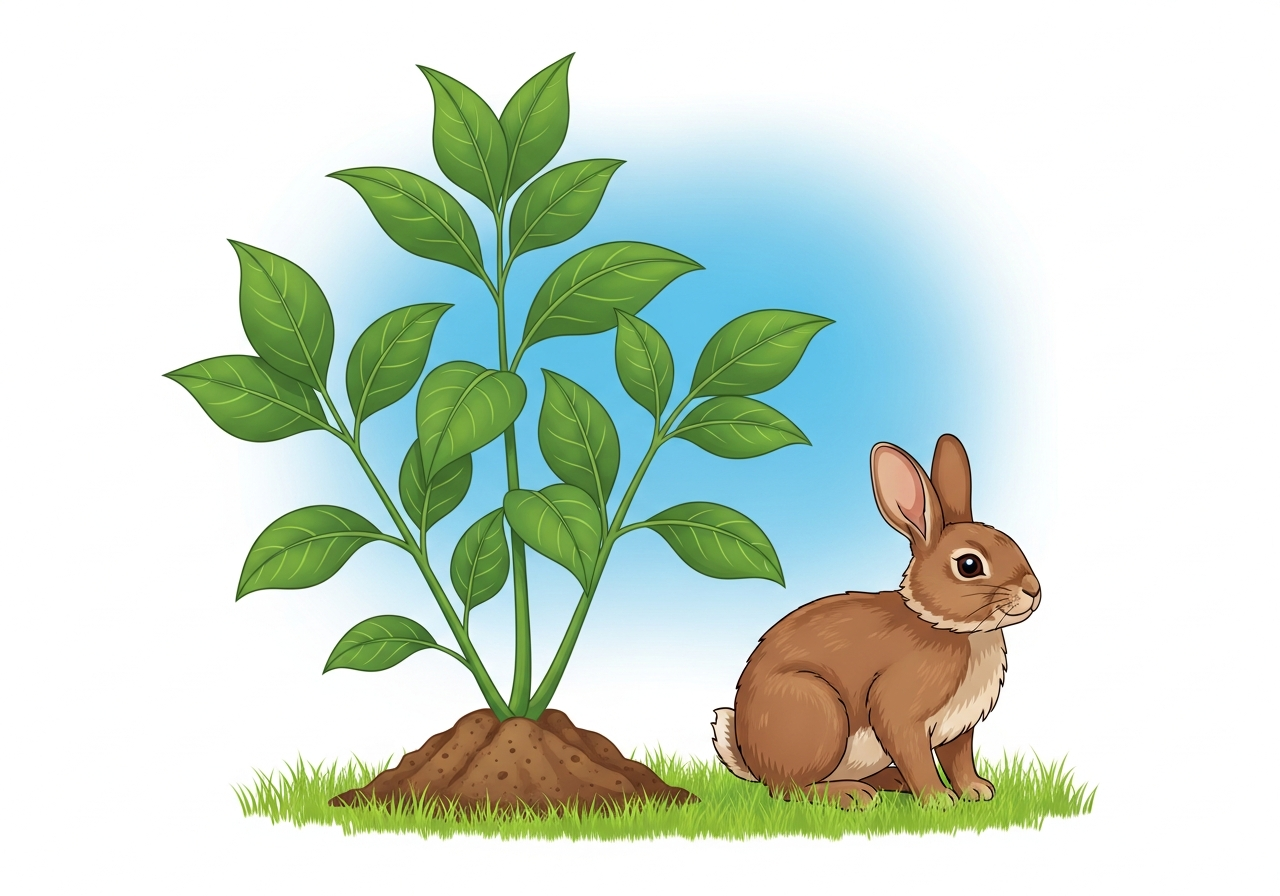
You will learn how plants and animals get food, water, air, and shelter differently.
How They Get Food
Plants make their own food! They use sunlight and air to make food. This is called photosynthesis.
Animals cannot make food. Animals must find food or hunt for it. A deer walks around to eat plants. A bird flies to find seeds.
How They Get Water
Plants use their roots to drink water. Roots grow down into the soil and pull water up into the plant.
Animals use their mouths to drink water. A bear walks to a stream to drink. Animals must move to find water.
How They Breathe
Plants breathe through tiny holes in their leaves. These tiny holes are called stomata. You cannot see stomata without a magnifying glass!
Animals breathe through their nose and mouth. Fish use gills to get air from water. Every animal has a special body part to breathe.
How They Find Shelter
Plants stay where they grow. Their roots keep them in one spot. The soil is their home.
Animals build or find shelter. A rabbit digs a burrow in the ground. A bird builds a nest. Animals can move to find a safe place.
How They Protect Themselves
Plants cannot run away from danger. Some plants have thorns on their stems to stay safe. Roses use thorns to protect themselves.
Animals can run, hide, or fight. A fox can run away from danger. A turtle has a hard shell to stay safe.
How They Grow
Plants grow toward the light. Their stems reach up to get more sunlight. A strawberry plant grows taller using its stem.
Animals grow by eating food. A baby elephant drinks milk and eats plants to grow bigger and stronger.
Key Terms and Definitions
Photosynthesis: This is how a plant makes its own food. A plant uses sunlight and air to make food for itself.
Roots: Roots are the parts of a plant that grow into the soil. You cannot always see them! Roots help a plant drink water from the ground.
Stomata: Stomata are tiny holes in a plant's leaves or stems. Plants breathe air through these tiny holes.
Gills: Gills are the body parts a fish uses to breathe. Fish get air from water using their gills.
Burrow: A burrow is a hole or tunnel in the ground. Animals like rabbits dig burrows to live in and stay safe.
Thorns: Thorns are sharp points that grow on some plant stems. Roses have thorns to protect themselves from being eaten.
Shell: A shell is a hard covering on an animal's body. A turtle's shell keeps it safe from danger, just like a helmet protects your head.
Basic Needs: Basic needs are the things all living things must have to stay alive. Food, water, air, and shelter are basic needs for both plants and animals.
Shelter: Shelter is a safe place to live. Animals find or build shelter. Plants grow in the soil, which is their shelter.
Fun Ways to Practice
Look outside and find a plant. Can you see its roots in the soil? Can you find an animal nearby? Watch how it moves to find what it needs!
Draw a plant and an animal. Show how each one gets food and water. You can use arrows to show the differences!
What You Already Know
You already know that all living things need food, water, air, and shelter to survive. Now you are learning how plants and animals get these things in different ways.
Knowing what basic needs are helps you understand why plants and animals look and act so differently from each other.
Related Topics and Connections
This topic is part of learning about Basic Needs. When you understand how plants and animals meet their needs differently, you are building a strong foundation in science.
You are learning that living things have special features that help them survive. Plants have roots, stomata, and sometimes thorns. Animals have mouths, legs, gills, or shells. Every living thing has what it needs to stay alive!