TOPIC
Design Process, Simple solutions to basic problemsMY PROGRESS
Pug Score
0%
Getting Started
"Let's build your foundation!"
Best Streak
0 in a row
Study Points
+0
Overview
Practice
Watch
Read
Quiz
Next Steps
Get Started
Get unlimited access to all videos, practice problems, and study tools.
Back to Menu
Topic Progress
Pug Score
0%
Getting Started
"Let's build your foundation!"
Videos Watched
0/0
Best Practice
No score
Read
Not viewed
Best Quiz
No attempts
Best Streak
0 in a row
Study Points
+0
Overview
Practice
Watch
Read
Quiz
Next Steps
Read
Solve Problems with Simple Ideas and Tools!
You will learn how to find simple solutions to everyday problems using the design process.
What Is Problem Solving?
Every day, you see problems around you. A problem is something that is hard or does not work right.
You can think of a way to fix it! That is called finding a solution.
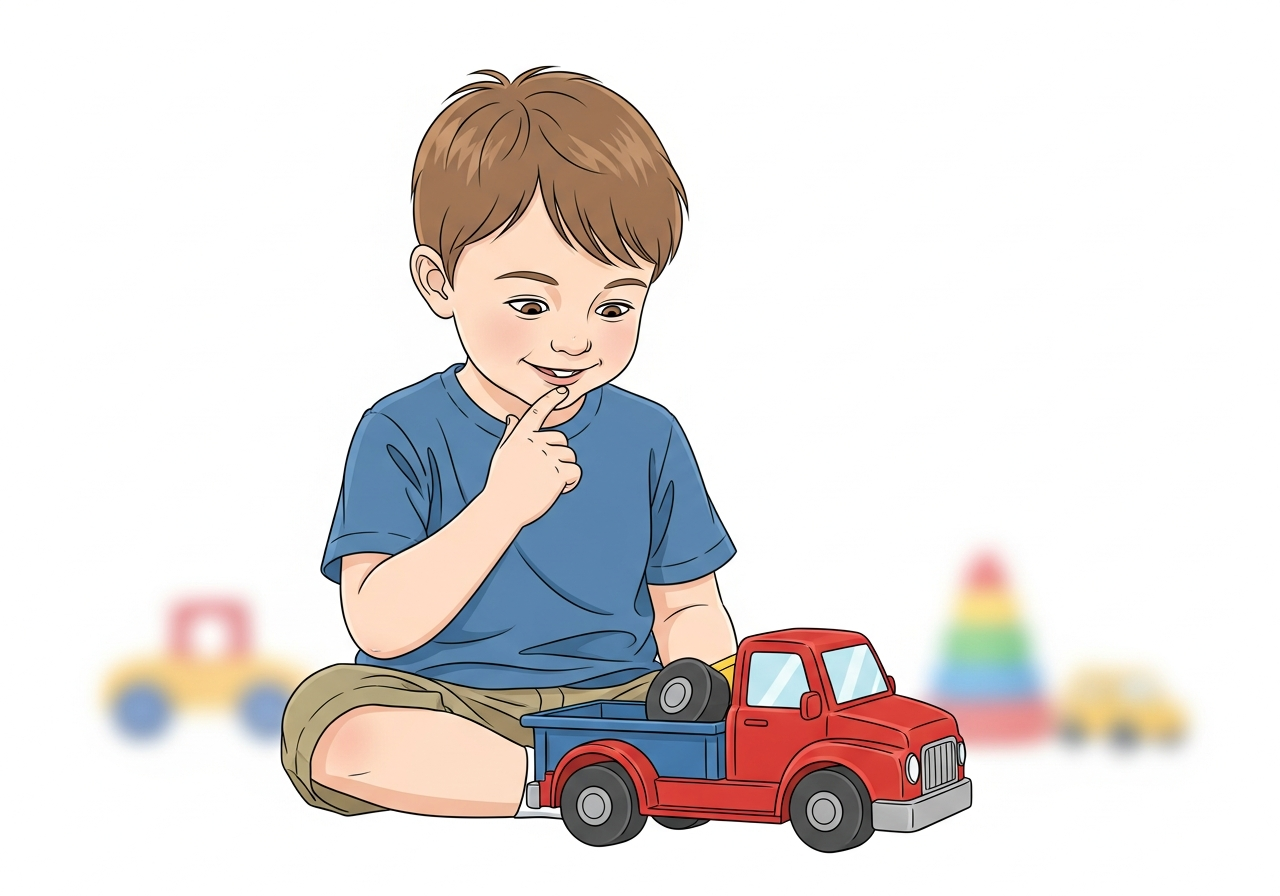
What Is the Design Process?
The design process is the steps you use to solve a problem. First, you see the problem. Then, you think of ideas. Next, you try your best idea!
Simple Tools Help You Solve Problems
You can use simple tools to fix problems. A tool is something that helps you do a job.
Here are some tools you can use:
- Tape You can use tape to fix a broken toy or seal a leaky cup.
- Stick You can use a stick to reach far places or help a plant grow straight.
- Bag You can put books or snacks in a bag to carry them easily.
- Block You can use a block to build a bridge over a puddle.
- Spoon You can use a spoon to dig small holes for seeds.
- Rock You can put a rock on paper so it does not blow away.
- Bowl You can fill a bowl with water to make a bird bath.
- Umbrella You can use an umbrella to make shade over a sandbox.
- Paperclip You can use a paperclip to hold papers together.
- Plastic bag You can use a plastic bag to keep snacks fresh.
- Step You can stand on a step to reach things up high.
- Blanket You can cover plants with a blanket to keep them warm from frost.
- String You can use string to hang a bird feeder.
- Folded paper You can put folded paper under a wobbly chair leg to make it steady.
Solving Problems with Friends
Sometimes you and a friend want the same toy. You can take turns! Taking turns means everyone gets a chance to play.
Taking turns is a kind and simple solution to sharing problems.
Building Things to Solve Problems
You can build things to solve problems too! When you build a tower, start with a wide base. A wide base helps your tower stay up and not fall over.
You can also build a bird feeder using a plastic bottle. Cut a hole in the side so birds can get seeds. Use string to hang it up!
A wick system uses a cotton string to carry water slowly to a plant. This helps keep your plant watered when you are away.
Key Terms and Definitions
Problem: A problem is something that is hard or does not work right. For example, a toy with a broken wheel is a problem.
Solution: A solution is your answer to a problem. Using tape to fix a broken toy is a solution.
Design Process: The design process is the steps you use to solve a problem. You see the problem, think of ideas, and try your best idea.
Tool: A tool is something that helps you do a job. A stick, tape, and a bag are all tools.
Wide Base: A wide base is a big, flat bottom. It helps towers and buildings stay steady and not fall over.
Bird Feeder: A bird feeder is something you make to give birds food. You can make one with a plastic bottle and string.
Wick System: A wick system uses a cotton string to carry water slowly to a plant. It helps keep plants watered.
Take Turns: Taking turns means each person gets a chance. It is a good way to share with friends.
Shade: Shade is a cool, dark area blocked from the sun. An umbrella can make shade over a sandbox.
Support: Support means helping something stand up. A stick can support a plant so it grows straight up.
Fun Ways to Practice Problem Solving
You can practice the design process every day! Try these fun ideas:
- Find something broken and think of a way to fix it.
- Build a tower and try to make it tall without falling.
- Make a simple bird feeder with a bottle and string.
- Use a spoon to dig a small hole and plant a seed.
What You Already Know
You already know how to look at things around you. You notice when something is wrong or does not work. That is the first step in problem solving!
You also know how to use simple things like tape, bags, and sticks. Now you can use them to solve problems.
Related Topics and Connections
Problem solving is a big idea that connects to many things you do every day. When you learn to find simple solutions, you are thinking like a scientist and an engineer!
You use the design process every time you try to fix something or build something new. Keep practicing, and you will get better and better at solving problems!