Topic
My Progress
Pug Score
0%
Best Streak
0 in a row
Study Points
+0
Overview
Practice
Read
Quiz
Next Steps
Overview
Practice
Read
Quiz
Next Steps
Read
Water Conservation Why Every Drop Counts!
You will learn about water conservation what it means to save water, why water is so important for all living things, and simple ways you can help protect our water supply every day.
Water is one of the most important things on Earth. You, every animal, and every plant needs water to stay alive and healthy. When you conserve water, you save it and use it carefully so you do not waste it.
Water is a limited resource, which means there is only a certain amount of clean, fresh water available on Earth. Most of Earth's water is salty ocean water that you cannot drink. Only a very small amount is fresh water that people, animals, and plants can use. That is why saving water is so important!
Why Is Water Important for All Living Things?
Your body needs water to work properly, grow, and stay healthy. Without water, you cannot survive for very long. Animals in the wild also drink clean water to keep their bodies healthy and carry out all the things they need to do to stay alive.
Plants need water to grow, make their own food, and stay strong. Without enough water, plants wilt, stop growing, and can die. Water is truly essential for every living thing on Earth!
Where Does Water Come From?
The water you use at home comes from rivers, lakes, and underground sources. Groundwater is water stored naturally beneath the surface of the ground. Water treatment plants clean this water before it reaches your tap at home.
The ocean holds most of Earth's water, but it is salty and you cannot drink it directly. Fresh water is the clean water you drink and use every day. It comes from rivers, lakes, and underground sources not from the ocean.

The Water Cycle
The water cycle is the natural process where water moves from Earth to the sky and back again. Water evaporates from oceans and lakes, rises to form clouds, falls back as rain or snow, and flows into rivers and underground. This cycle naturally refills our fresh water supply over time.
Understanding the water cycle helps you see why protecting our water sources is so important the same water has been cycling on Earth for millions of years!
What Is a Drought?
A drought is a long period of time with very little or no rainfall at all. During a drought, rivers, lakes, and underground water supplies shrink. This makes water conservation even more critical because there is less fresh water available for everyone.
When you waste water, there may not be enough clean water left for people, animals, and plants that need it especially during a drought.
Simple Methods to Save Water
There are many easy things you can do every day to conserve water. Here are some of the best methods:
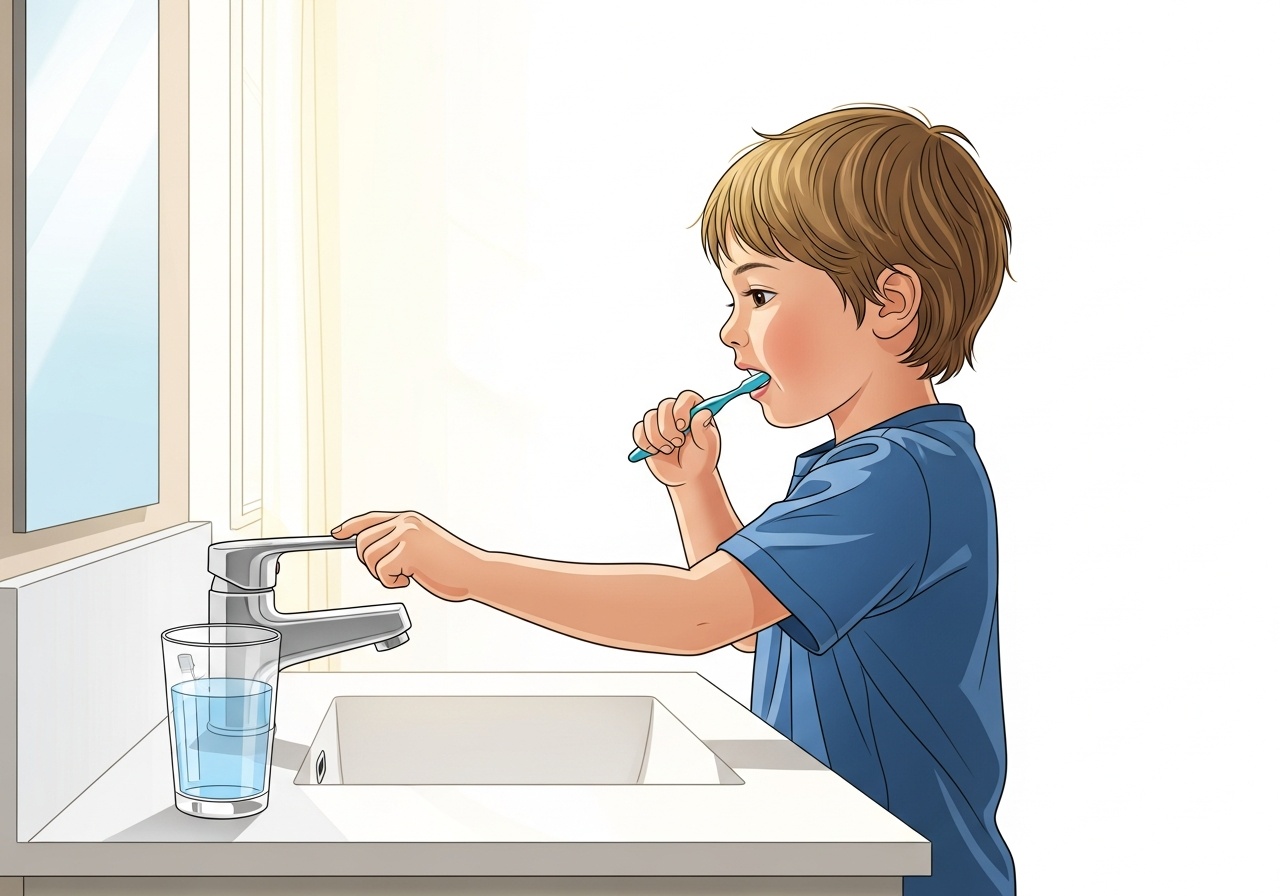
- Turn off the tap while brushing your teeth. A running tap wastes a lot of water every minute!
- Fix leaky taps and pipes quickly. Even a small drip can waste hundreds of litres of water every day.
- Take shorter showers. Less water flows from the showerhead when your shower is shorter, saving many litres each time.
- Fill a basin when washing dishes instead of leaving the tap running the whole time.
- Collect rainwater in a barrel to water your garden plants instead of using tap water.
- Water plants in the morning or evening when the sun is not as strong, so less water evaporates before plants can absorb it.
- Use a watering can instead of a hose so you put water only where the plant really needs it.
- Use a bucket instead of a hose to wash a car a bucket uses much less water.
- Report a dripping tap to a parent or teacher right away so it can be fixed quickly.
Water Pollution Keeping Water Clean
It is just as important to keep water clean as it is to save it. Water pollution happens when harmful things like trash or chemicals get into rivers and lakes. Throwing garbage into a river is an example of water pollution.
Dirty water can make people, animals, and plants very sick. You should never pour chemicals down the drain because they can travel through pipes and pollute our water sources. Planting trees near rivers also helps tree roots hold the soil in place and keep the water clean.
How Saving Water Also Saves Energy
Did you know that saving water also helps save energy? Pumping and cleaning water for your home uses a lot of electricity. When you use less water, water treatment plants have to work less, which saves energy and reduces pollution from power plants.
Even turning off lights helps save water indirectly, because making electricity uses water too!
Key Terms and Definitions
Conserve: When you conserve something, you save it and use it carefully so you do not waste it. To conserve water means to use only what you need and avoid wasting it.
Conservation: Conservation means saving and using water carefully so you do not waste it. It involves habits and actions every day that help protect our water supply for the future.
Fresh Water: Fresh water is the clean water you drink and use every day. It comes from rivers, lakes, and underground sources it is not salty like ocean water.
Drought: A drought is a long period of time with very little or no rainfall at all. During a drought, rivers and lakes can shrink and water becomes very scarce.
Waste (water): When you waste water, you use more than you need. Leaving a tap running when you are not using it is an example of wasting water.
Drip / Leaky Tap: A drip is a small drop of water that falls from a tap that is not fully closed. A leaky tap can waste many litres of water over time, so fixing drips is one simple way to conserve water.
River: A river is a natural flow of fresh water that moves across the land. Rivers carry fresh water and are one of the main sources of the water you use at home.
Well: A well is a deep hole dug into the ground that taps into water stored underground. People use wells to collect groundwater for drinking and other uses.
Tap: A tap is a device inside your home that connects to a water supply so you can use clean water easily. Turning off the tap when you are not using it helps save water.
Ocean: The ocean holds most of Earth's water, but it is salty and you cannot drink it directly. Ocean water needs special treatment before it can be used as drinking water.
Groundwater: Groundwater is water that is stored naturally beneath the surface of the ground. It fills spaces between rocks and soil underground and is an important source of fresh water.
Limited Resource: When we say water is a limited resource, it means there is only a certain amount of clean water available on Earth. It is not endless, so you must use it carefully.
Water Cycle: The water cycle is the natural process where water moves from Earth to the sky and back again. Water evaporates, forms clouds, falls as rain, and flows back to rivers and oceans.
Water Pollution: Water pollution happens when harmful things like trash or chemicals get into rivers and lakes, making the water unsafe to drink and harmful to animals and plants.
Rainwater Collection: Rainwater collection means gathering rainwater in a barrel or bucket so you can use it later to water plants instead of using tap water. This is a great way to conserve water.
Ways You Can Practice Water Conservation
You can start saving water today! Try turning off the tap while you brush your teeth, or remind a grown-up to fix a dripping tap at home. You can also collect rainwater in a bucket to water your garden plants.
At school, you can report a dripping tap to your teacher right away. Every small action you take adds up to make a big difference in protecting our water supply for the future.
What You Already Know
You are building on your knowledge of the natural world around you. You already know that water is something you drink every day and that rain falls from clouds. Now you are learning why water is so precious and how to protect it.
As you learn about water conservation, you are getting ready to explore even bigger ideas about how people care for natural resources. Next, you will discover how Traditional Practices, Resource Management, and Sustainable Practices connect to the ways communities have protected water and other resources for a very long time.
Related Topics and Connections
Water conservation is part of a bigger story about how you and your community care for the natural world. After learning about water conservation, you will be ready to explore Traditional Practices, Resource Management, and Sustainable Practices. In that topic, you will discover how communities around the world have used traditional knowledge and smart habits to manage water and other natural resources in ways that last a long time.
The ideas you learn here like saving water, avoiding pollution, and using resources wisely are the foundation for understanding sustainable practices. When you understand why water is a limited resource and how to protect it, you are already thinking like someone who cares about the future of our planet!