Topic
My Progress
Pug Score
0%
Best Streak
0 in a row
Study Points
+0
Overview
Practice
Watch
Read
Quiz
Next Steps
Overview
Practice
Watch
Read
Quiz
Next Steps
Read
Discover How Liquids Flow, Fill, and Keep Their Volume!
You will discover how liquids flow, change shape to fit their containers, and keep the same volume no matter where you pour them.
A liquid is a state of matter that flows and moves freely. You can pour a liquid from one container to another. Liquids are different from solids because they do not hold their own shape.
You see liquids every day water in your glass, juice in a carton, and milk in a bowl are all liquids. Each one flows and moves easily.
How Liquids Flow
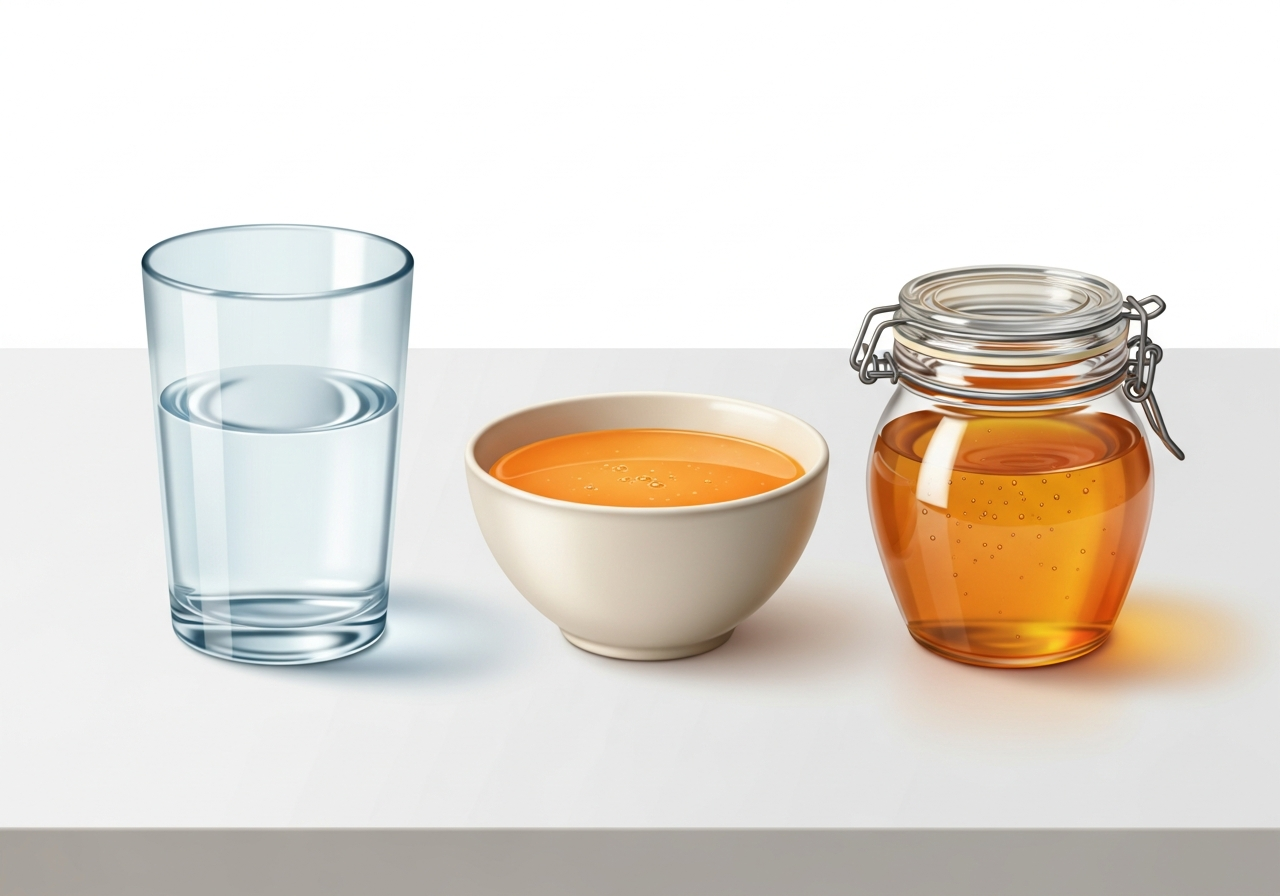
One of the most important properties of a liquid is that it flows. When you pour water, it moves smoothly and spreads out. Liquids always flow downward because gravity pulls everything toward the ground.
Not all liquids flow at the same speed. Water is a thin liquid, so it flows very fast. Honey is a thick liquid, so it flows slowly. You can see this difference when you pour each one!

Liquids Take the Shape of Their Container
When you pour a liquid into a container, the liquid fills the inside and takes that container's shape. If you pour water into a round cup, the water looks round. If you pour it into a star-shaped mold, the water takes a star shape!
This is because liquids do not have a shape of their own. They always match the shape of whatever holds them. A solid, like a block, keeps its own shape but a liquid does not.
Volume Stays the Same
The volume of a liquid is the amount of liquid you have. When you pour liquid from one container to another, the volume stays exactly the same. You do not get more or less liquid just by changing containers.
For example, if you pour 250 mL of juice from a tall cup into a wide bowl, you still have 250 mL of juice. The shape changes, but the amount does not change.
Key Terms & Definitions
Liquid: A liquid is a state of matter that flows freely and takes the shape of its container. Water, juice, and milk are all liquids you use every day.
Flow: Flow means the way a liquid moves and spreads from one place to another. When you pour water, you can watch it flow downward.
Volume: Volume means the amount of liquid you have. When you pour liquid into a new container, the volume stays the same only the shape changes.
Pour: To pour means to move a liquid from one container to another by tipping it. You pour juice into a glass or water into a bowl.
Container: A container is anything that holds a liquid, like a cup, bowl, bottle, or mold. Liquids take the shape of their container.
Drip: A drip is a tiny drop of liquid that falls slowly. You might see a drip of honey falling from a spoon.
Spill: A spill happens when liquid flows out of its container by accident. Liquids spill because they flow freely and need walls to hold them in.
Transparent: Transparent means you can see right through something. Many liquids, like clean water, are transparent.
Thick liquid: A thick liquid flows slowly because it is heavy and sticky. Honey is a thick liquid that moves in slow drips.
Thin liquid: A thin liquid flows quickly and easily. Water is a thin liquid that pours and spreads very fast.
Practice What You Know
You can try a simple activity at home or in class! Pour water into a round cup, then pour it into a square container. Watch how the water changes shape each time, but the amount stays the same.
You can also compare how fast water and honey flow. Pour a little of each down a smooth surface and watch which one reaches the bottom first. This shows you how different liquids flow at different speeds.
Building Your Science Knowledge
Learning about the properties of liquids is part of your bigger study of States of Matter. As you explore liquids, you are building a strong foundation for understanding how matter around you behaves.
You already know that matter can be a solid, a liquid, or a gas. Understanding how liquids flow, change shape, and keep their volume helps you compare all three states of matter more clearly.
Related Topics & Connections
The properties of liquids are one important part of the States of Matter chapter. As you continue learning about science, you will explore how solids keep their own shape while liquids flow freely. Understanding liquids also helps you later when you learn about how water changes between liquid, solid (ice), and gas (steam).
Every time you pour a drink, fill a bowl, or watch honey drip, you are seeing the properties of liquids in action. These ideas connect to everything you will learn about matter in science.