TOPIC
Environmental Changes, Local ecosystem effectsMY PROGRESS
Pug Score
0%
Getting Started
"Let's build your foundation!"
Best Streak
0 in a row
Study Points
+0
Overview
Practice
Watch
Read
Quiz
Next Steps
Get Started
Get unlimited access to all videos, practice problems, and study tools.
Back to Menu
Topic Progress
Pug Score
0%
Getting Started
"Let's build your foundation!"
Videos Watched
0/0
Best Practice
No score
Read
Not viewed
Best Quiz
No attempts
Best Streak
0 in a row
Study Points
+0
Overview
Practice
Watch
Read
Quiz
Next Steps
Read
How Do Humans Change Local Ecosystems?
You will learn how human actions like pollution and deforestation change local ecosystems, and how you can help protect the environment around you.
What Is a Local Ecosystem?
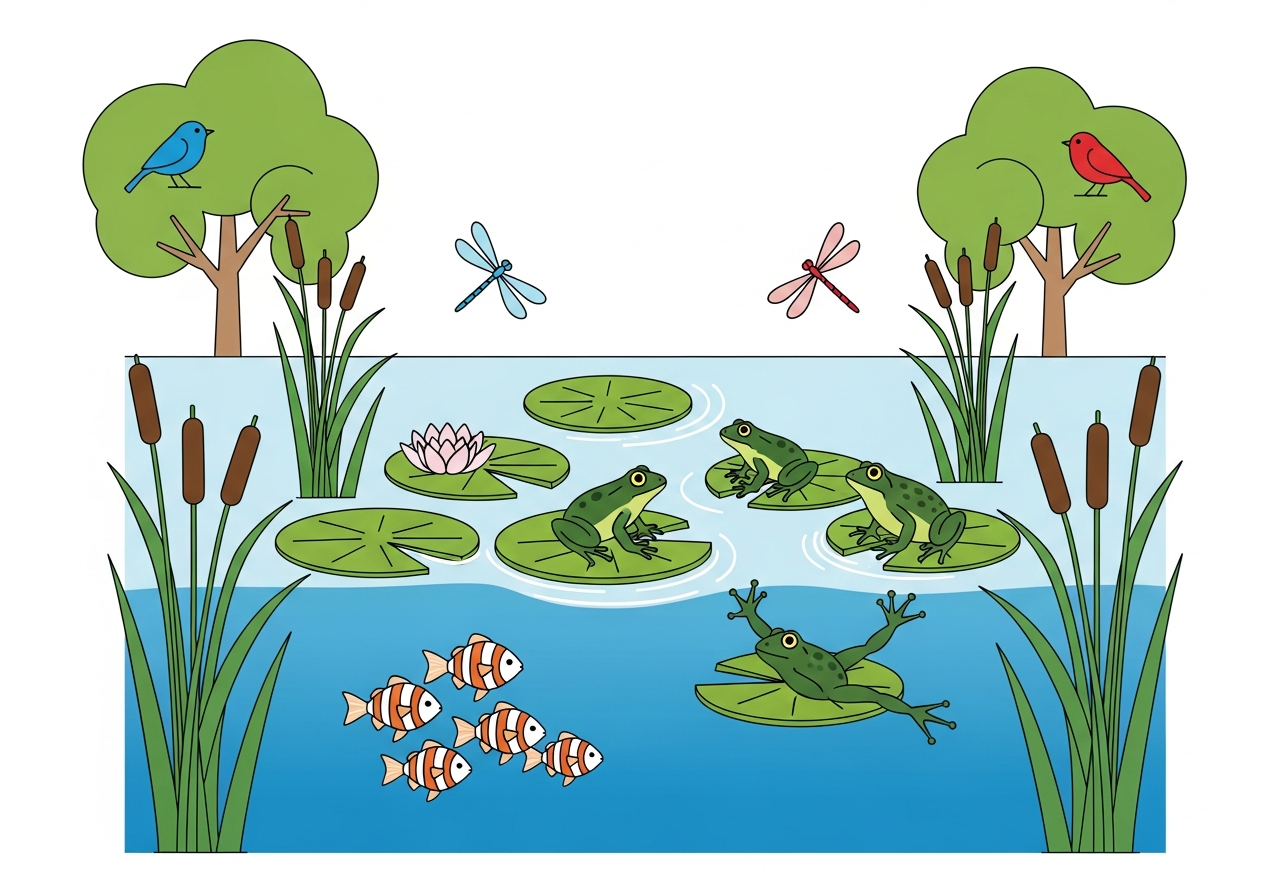
An ecosystem is all the living things plants, animals, and tiny organisms that share the same area. It also includes the non-living parts like water, soil, and air. Everything in an ecosystem works together.
A local ecosystem is one that is close to where you live, like a park, pond, forest, or meadow. You can find many different plants and animals sharing one nearby area.
What Is a Habitat?
A habitat is the natural home of a plant or animal. It is the place where an animal finds food, water, and shelter. For example, a pond is a habitat for frogs and fish.
When humans change the land, animals can lose their habitats. This is called habitat loss, and it makes it very hard for animals to survive.
How Do Human Actions Harm Ecosystems?
Humans change ecosystems in many ways. Some of these changes hurt the plants and animals that live there.
Deforestation means cutting down large numbers of trees in a forested area. When trees are cut down, animals lose their homes and food sources. This destroys entire forest habitats.
Littering means leaving trash outside in nature. Animals can eat litter and get very sick. Harmful chemicals from trash can also leak into the soil and water, poisoning plants and small animals nearby.
Pollution means harmful materials like trash, chemicals, or smoke that get into the environment and cause damage. Car exhaust, factory smoke, and chemicals dumped into rivers are all types of pollution. Smoke from factories pollutes the air and can make plants and animals sick.
When people build roads, parking lots, and buildings where animals used to live, they destroy the animals' natural habitat. Plants get covered up and cannot grow under concrete.
When too much fertilizer from farms washes into a pond, it causes algal bloom too many algae grow and use up the oxygen in the water, making it hard for fish and other animals to breathe.
When people spray too many pesticides on a meadow, helpful insects like bees die along with the harmful pest insects. Without bees to pollinate flowers, the meadow ecosystem suffers.
Oil spills in the ocean coat animals' feathers and fur, making it impossible for them to stay warm or move properly. Fish and other sea creatures can also be poisoned by the oil.
Pouring chemicals down a storm drain is very harmful because those chemicals flow directly into rivers and lakes, poisoning the animals living there.
Building a dam on a river blocks fish from swimming to their usual breeding spots upstream, disrupting the life cycle of many fish species.
Endangered Animals and Extinction
When human activities destroy habitats and reduce the food animals need, some animals become endangered. This means there are very few of that animal left in the wild. If nothing changes, an endangered animal can become extinct gone forever.
In an ecosystem, all living things are connected in a food web. When one species disappears, the animals that depend on it for food are also affected. For example, if an insect disappears, the birds that eat it may struggle to find enough food and their numbers can drop.
An invasive species is a plant or animal brought to a new area by humans that harms the local ecosystem. Without natural predators, invasive species can take over and push out native plants and animals.
How Can You Help Protect Ecosystems?
Conservation means taking action to protect natural places and the creatures living in them. There are many things you can do to help!
Recycling means turning used materials like paper, plastic, and glass into new products to reduce waste and pollution. This keeps harmful materials out of ecosystems.
Composting recycles food and plant waste into nutrients that enrich soil, reducing landfill waste and helping ecosystems stay healthy.
You can pick up litter so trash does not harm plants and animals nearby. Joining a local cleanup to remove litter from parks is a great way to help.
Planting trees gives animals shelter and helps clean the nearby air. Planting flowers in a garden gives bees and butterflies nectar and a safe place to visit.
Using less plastic means less plastic waste ends up in rivers and harming wildlife. Saving water at home leaves more clean water in rivers for plants and animals.
Communities can create nature reserves protected areas where logging and building are not allowed giving wildlife a safe place to live and thrive.
Using solar energy instead of burning coal produces no harmful smoke that could pollute the local air, helping keep ecosystems healthy.
It is also important to protect wetlands like swamps and marshes. Wetlands are home to many unique animals and help filter dirty water. When wetlands are drained, birds lose the food and nesting areas that they need.
Key Terms & Definitions
Ecosystem: An ecosystem includes all the living things plants, animals, and insects plus the land, water, and air they share in one area. Everything in an ecosystem works together.
Local Ecosystem: A local ecosystem is a community of living things sharing one nearby area, like a pond, park, or forest close to where you live.
Habitat: A habitat is the natural place where an animal or plant lives, finds food, and raises its young. For example, a pond is a habitat for frogs.
Pollution: Pollution means harmful substances like chemicals, trash, or smoke that damage the air, water, or land around you. Pollution harms living things in an ecosystem.
Deforestation: Deforestation means cutting down large numbers of trees in a forested area. It destroys the habitats of many animals and plants.
Habitat Loss: Habitat loss happens when the natural home of an animal is destroyed, making it very hard for animals to find food, water, and shelter.
Conservation: Conservation means taking action to protect natural places and the creatures living in them, like setting up nature reserves or planting trees.
Recycling: Recycling means turning used materials into new products to reduce waste and pollution. It helps keep harmful materials out of ecosystems.
Composting: Composting recycles food and plant waste into nutrients that enrich soil, reducing landfill waste and helping ecosystems stay healthy.
Littering: Littering means leaving trash outside in nature. Litter can harm animals who may eat it or get trapped in garbage left outside.
Endangered: An endangered animal is one whose population has dropped so low that it is at risk of disappearing forever. Human activities like habitat destruction and pollution cause animals to become endangered.
Extinct: When an animal becomes extinct, it means every single one of that animal is gone forever and can never come back.
Food Web: A food web shows how all living things in an ecosystem are connected through what they eat. When one species disappears, other animals that depend on it are also affected.
Invasive Species: An invasive species is a plant or animal brought to a new area by humans that harms the local ecosystem by pushing out native plants and animals.
Algal Bloom: An algal bloom happens when too many algae grow in a pond or lake, often because of fertilizer runoff. The algae use up the oxygen in the water, making it hard for fish to breathe.
Pesticides: Pesticides are chemicals used to kill harmful insects, but they can also kill helpful insects like bees and butterflies, upsetting the balance of the local ecosystem.
Nature Reserves: Nature reserves are protected areas where human activities like logging and building are not allowed, giving wildlife a safe place to live and thrive.
Wetlands: Wetlands are ecosystems like swamps and marshes that are home to many unique animals. They also act as natural water filters, cleaning polluted water before it enters rivers and lakes.
Oil Spills: An oil spill happens when oil gets into the ocean, coating animals' feathers and fur and poisoning fish and other sea creatures.
Activities to Help You Learn
You can go outside and look for a local ecosystem near your home or school. Try to spot plants, insects, birds, and other animals sharing the same area.
You can start recycling at home by sorting paper, plastic, and glass into separate bins. This helps keep harmful waste out of local ecosystems.
You can join a park or beach cleanup to remove litter and protect local plants and animals. Even picking up one piece of trash makes a difference!
Try planting a flower or a small tree in your garden. You will be giving bees, butterflies, and birds a new home and food source.
Building Your Knowledge
To understand environmental changes and local ecosystem effects, it helps to know what living things need to survive food, water, shelter, and air. You already know that plants and animals depend on their environment to stay alive.
As you learn more about human impact on ecosystems, you will be ready to explore bigger topics like climate change, global conservation efforts, and how communities work together to protect the natural world.
Related Topics & Connections
This topic is part of a bigger chapter called Human Impact, which explores all the ways people change the world around them. As you learn about environmental changes and local ecosystem effects, you are building important knowledge about how your actions connect to the health of the natural world.
There are no specific prerequisite topics required before this one you are starting fresh! Everything you need to know is introduced right here. As you grow as a science learner, you will explore more advanced topics about ecosystems, conservation, and environmental science that build on what you learn today.
The ideas you learn here like pollution, habitat loss, recycling, and conservation will help you understand bigger environmental challenges in the future. You are taking your first important steps toward becoming someone who understands and cares for the natural world.