TOPIC

Trophic Levels, Producers, consumers, decomposers

MY PROGRESS

Pug Score

0%

Getting Started

"Let's build your foundation!"

Best Streak

0 in a row

Study Points

+0

Overview

Practice

Watch

Read

Quiz

Next Steps


Get Started

Get unlimited access to all videos, practice problems, and study tools.

Unlimited practice
Full videos

BACK TO MENU

Topic Progress

Pug Score

0%

Getting Started

"Let's build your foundation!"

Videos Watched

0/0

Best Practice

No score

Read

Not viewed

Best Quiz

No attempts


Best Streak

0 in a row

Study Points

+0

Overview

Practice

Watch

Read

Quiz

Next Steps

Read

Explore Energy Pyramids: Producers, Consumers & Decomposers

You will learn how energy flows through ecosystems by exploring producers, consumers, decomposers, and the trophic levels that make up an energy pyramid.

What Is an Energy Pyramid?

An energy pyramid is a triangle-shaped diagram that shows how energy moves through living things in an ecosystem. The bottom of the pyramid is the widest part, and it gets narrower as you go up. This shape shows you that there is more energy at the bottom and less energy at the top.

Every living thing in an ecosystem has a feeding position called a trophic level. Each trophic level is a step or layer in the energy pyramid that shows how an organism gets its energy.

Producers: The Base of the Energy Pyramid

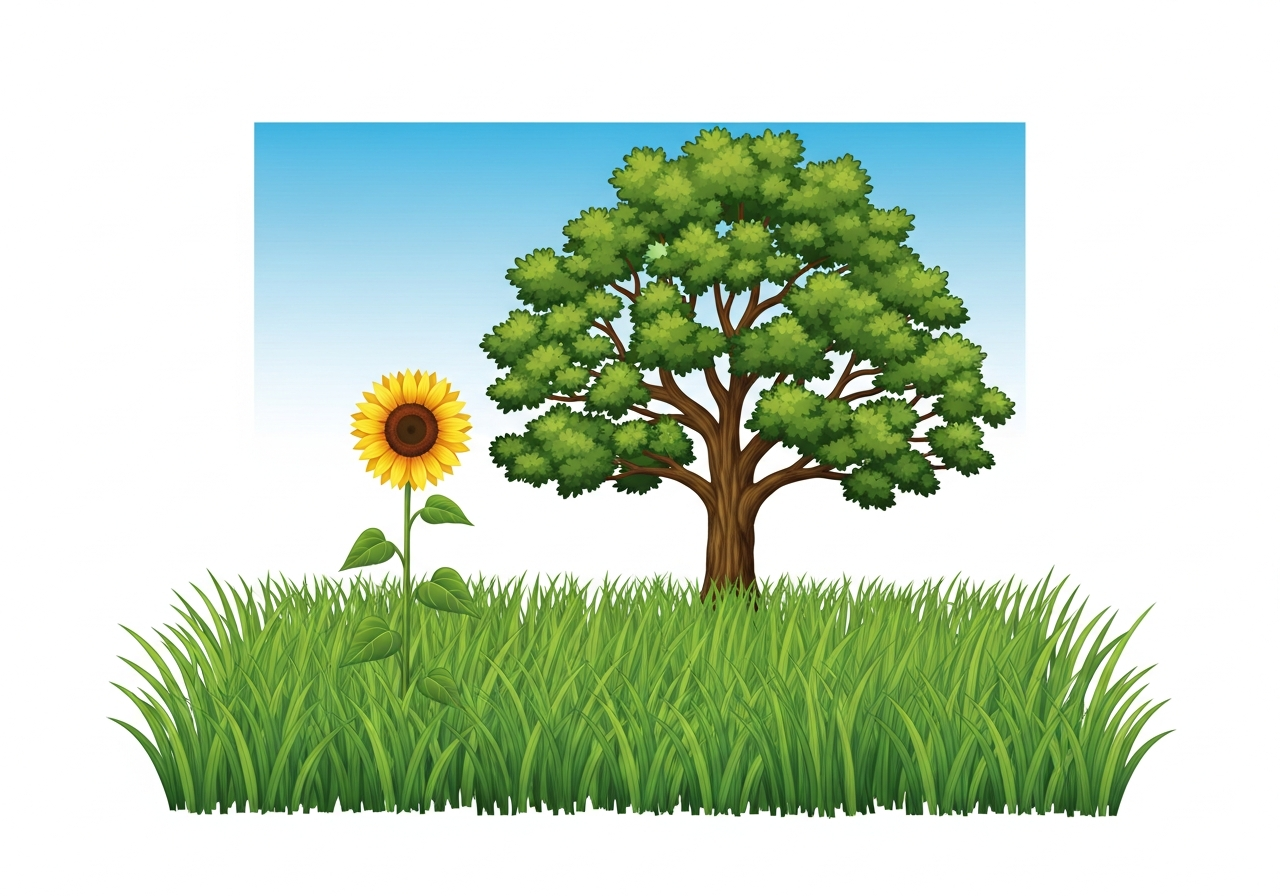
Producers are always found at the very bottom of the energy pyramid. A producer is a living thing that makes its own food using sunlight through a process called photosynthesis. Plants, grass, trees, and algae are all producers.

Because producers capture energy directly from the sun, they hold the most energy in the entire pyramid. Without producers at the base, no other living thing could survive. Examples of producers include a green grass plant growing in a sunny field, a sunflower, and an oak tree.
Consumers: Animals That Eat to Get Energy

A consumer is a living thing that cannot make its own food and must eat other organisms to get energy. There are different types of consumers depending on what they eat.

A primary consumer is the first level of consumer. It eats producers directly. A rabbit eating grass or a deer eating plants are both primary consumers. Primary consumers are also called herbivores animals that eat only plants.

A secondary consumer eats primary consumers. A fox eating a rabbit or a bird eating a caterpillar are secondary consumers. Animals that eat only other animals are called carnivores. Animals that eat both plants and animals are called omnivores they can belong to more than one trophic level at once.

Decomposers: Nature's Recyclers

A decomposer is a living thing that breaks down dead plants and animals and returns important nutrients back into the soil. Mushrooms, fungi, worms, and bacteria are all decomposers.

Decomposers are very important to the ecosystem because they recycle nutrients that producers need to grow. Without decomposers, dead material would pile up and plants would not have the nutrients they need. A mushroom growing on a rotting tree stump is a great example of a decomposer at work.

How Energy Flows Through the Pyramid

Energy flows upward in an energy pyramid, starting with producers who capture sunlight. As energy moves from one trophic level to the next, most of it is lost as heat. Only about 10% of the energy at one level is passed on to the next level above it.

This is why the pyramid gets narrower toward the top there is less energy available to support organisms at higher levels. For example, if grass has 1,000 units of energy, rabbits receive about 100 units, and a hawk eating those rabbits receives only about 10 units. This also explains why there are far fewer top consumers than producers in any ecosystem.

A food chain shows the path energy takes as one organism eats another. For example: Corn Mouse Snake Hawk. The corn is the producer, the mouse is the primary consumer, the snake is the secondary consumer, and the hawk is the top consumer.

Key Terms & Definitions

Trophic Level: A trophic level is a step or layer in the energy pyramid that shows the feeding position of an organism. The word "trophic" comes from a Greek word meaning food or nourishment. Producers are at the first trophic level, primary consumers are at the second, and secondary consumers are at the third.

Producer: A producer is a living thing that makes its own food using sunlight through photosynthesis. Plants, trees, and grass are producers. You can always find producers at the very bottom of the energy pyramid.

Consumer: A consumer is a living thing that cannot make its own food and must eat other organisms to get energy. Rabbits, deer, foxes, and hawks are all consumers.

Decomposer: A decomposer is a living thing that breaks down dead plants and animals and returns nutrients to the soil. Mushrooms, worms, fungi, and bacteria are decomposers. They are nature's recyclers.

Herbivore: A herbivore is an animal that eats only plants, making it a primary consumer. Rabbits, deer, and caterpillars are herbivores. You will find herbivores just above producers in the food chain.

Carnivore: A carnivore is an animal that eats only other animals to get energy. Hawks and wolves are carnivores. They are usually secondary consumers or higher in the energy pyramid.

Omnivore: An omnivore is an animal that eats both plants and animals. Bears and raccoons are omnivores. Because they eat both, omnivores can belong to more than one trophic level at the same time.

Primary Consumer: A primary consumer is the first level of consumer that eats producers directly. Rabbits eating grass and deer eating plants are primary consumers. They are at the second trophic level.

Secondary Consumer: A secondary consumer eats primary consumers. A fox eating a rabbit is a secondary consumer. Secondary consumers are at the third trophic level in the energy pyramid.

Food Chain: A food chain shows the path energy takes as one organism eats another. It always starts with a producer and moves upward through consumers. For example: Grass Rabbit Fox.

Energy Pyramid: An energy pyramid is a triangle-shaped diagram that shows how energy decreases as it moves up each feeding level. Producers are at the wide bottom, and top consumers are at the narrow top. It shows you that there is more energy and more organisms at the bottom.

Photosynthesis: Photosynthesis is the process producers use to make their own food using sunlight, water, and air. Plants, trees, and grass all use photosynthesis. This is why the sun is the main source of energy for almost all energy pyramids.

Practice What You Know

You can practice identifying trophic levels by looking at a simple food chain and placing each organism in the correct level. Ask yourself: Does this organism make its own food? Then it is a producer. Does it eat plants? Then it is a primary consumer. Does it eat other animals? Then it is a secondary consumer or higher.

You can also practice by thinking about what would happen if one level disappeared. If all the producers disappeared, all consumers would eventually run out of food and energy. This shows you just how important every trophic level is to the whole ecosystem.

Building Your Science Knowledge

You are building important science skills as you learn about energy pyramids and trophic levels. Understanding how producers, consumers, and decomposers work together gives you a strong foundation for exploring more about ecosystems and how living things depend on each other.

As you continue your science journey, you will use what you know about energy flow to understand bigger ideas about how nature stays balanced and healthy.

Related Topics & Connections

The concepts you are learning about trophic levels, producers, consumers, and decomposers are all part of the bigger picture of how ecosystems work. Every living thing plays a role from the grass in a meadow to the hawk soaring above it. As you grow as a science learner, you will discover how these ideas connect to food webs, ecosystems, and the natural world around you.

Keep exploring and asking questions about how energy moves through nature you are already thinking like a scientist!