TOPIC
MY PROGRESS
Pug Score
0%
Best Streak
0 in a row
Study Points
+0
Overview
Practice
Watch
Read
Quiz
Next Steps
Get Started
Get unlimited access to all videos, practice problems, and study tools.
Back to Menu
Topic Progress
Pug Score
0%
Videos Watched
0/0
Best Practice
No score
Read
Not viewed
Best Quiz
No attempts
Best Streak
0 in a row
Study Points
+0
Overview
Practice
Watch
Read
Quiz
Next Steps
Read
Combination of both parallel and perpendicular line equations
In this section, we will look at various kinds of questions related to parallel and perpendicular line equations. For instance, we will try to look for the slope of a line that is parallel and perpendicular to a given equation, to figure out if a given pair of line equations is parallel, perpendicular, or neither, and to find the parallel and perpendicular line equations of a given line and a pass through point.
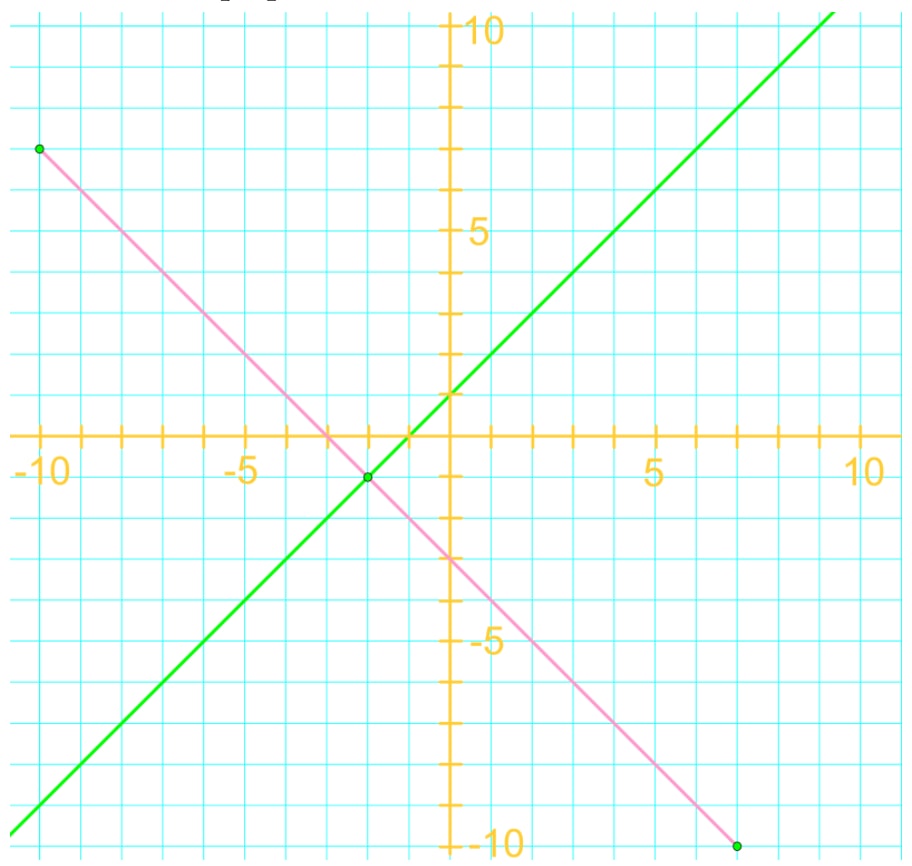
Perpendicular lines are two lines that meet and form a right angle at its intersection. In more advanced terms, when we multiply the slopes of perpendicular lines together, it gives us -1. Lines that are perpendicular are actually the negative reciprocals of each other. Later on, we'll explain further into what this actually means.
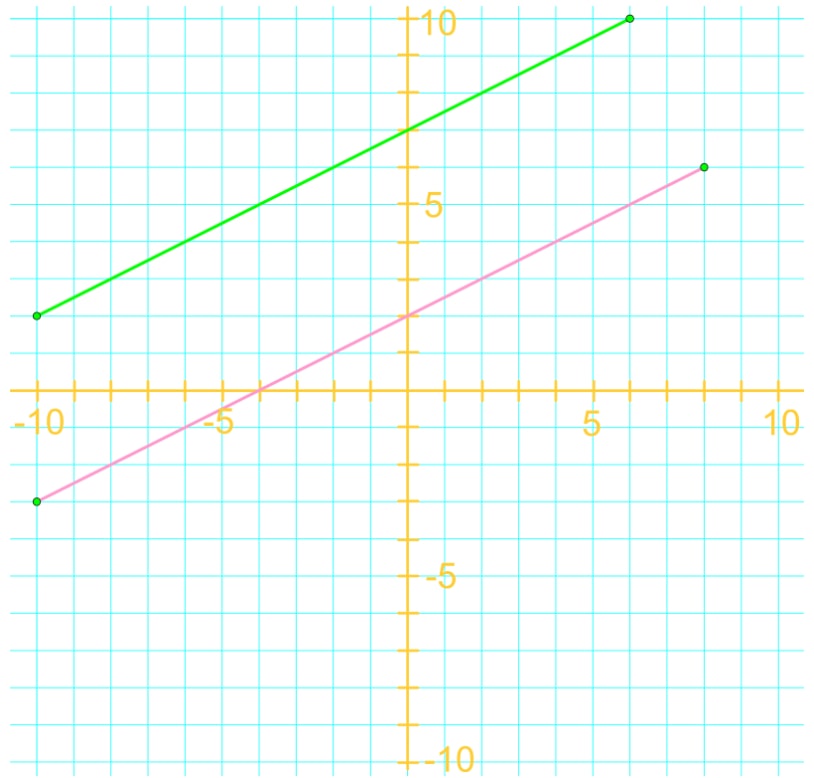
Parallel lines are lines that are the same distance apart and at no point touches one another. In other words, these two lines have the same slope. To be parallel, two lines must also be drawn or graphed on the same plane.