FLORIDA
Homeschooling in Florida: Requirements, Paperwork, and How to Start
One notice within thirty days, a portfolio kept all year, and an annual evaluation you choose the form of. Florida also runs a scholarship worth roughly $8,000 a year.
Homeschooling in Florida, Summarized
The Seven Things Florida Asks of You
Legal in Florida
Yes
three routes
Compulsory ages
6 to under 16
Funding available
About $8,000 a year
PEP scholarship, by district and grade
Do I notify anyone?
Yes — once, within 30 days
Paperwork load
Low to Medium
portfolio kept two years
Parent qualification
None required
Standardized testing
Annual evaluation — five ways to do it
Legal requirements last reviewed: June 2026 · Plain English · Not legal advice
Homeschooling is legal in Florida
What You Need to Know
The home education program under F.S. § 1002.41 is the usual route. File a one-time notice within thirty days, keep a portfolio through the year — including a log naming your reading materials by title — and file one annual evaluation with the superintendent, in whichever of five forms you choose.
What Florida Asks of You
One notice, one portfolio, one evaluation a year.


Must do
File a written notice of intent with your district superintendent
Keep a contemporaneous log of activities that names reading materials by title
Keep samples of writing, worksheets and creative work through the year
File one annual educational evaluation with the superintendent
Dates that matter
Within 30 days of establishing the program
Preserve the portfolio for two years; the superintendent may inspect on 15 days' written notice
Within 30 days of ending the program, file a letter of termination with a final evaluation
Good practice — not required
Log reading by title as you go — reconstructing a year of titles in June is grim
Pick your evaluation method early: the five options suit very different children
The district may not require anything beyond what the statute lists. The five evaluation methods include a certified-teacher portfolio review and a nationally normed test, among others.
Must do
Apply for the scholarship and manage it through the EMA portal
Submit a Student Learning Plan in EMA
Take a Department-approved norm-referenced test each year
Dates that matter
During the scholarship year, for the test and the learning plan
Good practice — not required
Check whether a provider is in MyScholarShop before assuming you can be reimbursed
The trade-off
The learning plan and annual test replace the portfolio and evaluation
This replaces the home education program rather than sitting on top of it — you cannot hold both, and taking it means withdrawing from HEP. Places were capped at 140,000 for 2026-27.
Florida wants a portfolio with reading logged by title. StudyPug records exactly that while your child works.
Funding for Florida Home Education
The key numbers before the details.

PROGRAM
Personalized Education Program scholarship

AMOUNT
About $8,000 a year · varies by district and grade
HOW IT'S CLAIMED
EMA portal — MyScholarShop, marketplace or reimbursement

THE CAP
140,000 students for 2026-27 · removed from 2027-28
How It Works
From registration to reimbursement, step by step.
1
Apply for the scholarship
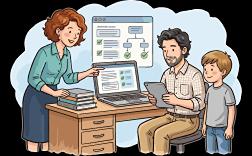
The Personalized Education Program is administered through the EMA portal. Places were capped at 100,000 for 2025-26 and 140,000 for 2026-27, with the Department saying the cap goes from 2027-28.
2

Spend through EMA
Buy from pre-approved vendors in MyScholarShop, use the EMA marketplace, or claim reimbursement. Confirm a provider is listed before you commit to it.
3
Show the learning
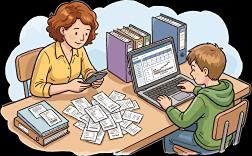
Scholarship students file a Student Learning Plan in EMA and take an approved norm-referenced test each year. These replace the portfolio and annual evaluation rather than adding to them.
Funding rules move faster than law. Amounts and eligibility can change every school year and every legislative session — always confirm with the official program sources below before you spend. Funding facts last reviewed: August 2026.
What StudyPug Handles for You
Not templates you fill in — records that fill themselves in.

Work-samples portfolio that assembles itself
Hours & attendance log that fills itself in

Progress reports you can download and share
Scope & Sequence export to seed your portfolio
One-click package when the evaluation or an inspection is due

Every child in one account — up to 5

Questions About Homeschooling in Florida
Quick answers for homeschooling families.
Is homeschooling legal in Florida?
Yes, by three routes. Most families use the home education program under F.S. § 1002.41. The alternatives are enrolling under a private school acting as a cover school, or using a private tutor.
Do parents need a teaching certificate?
No. Florida requires no parent credential to run a home education program. A certified teacher appears only as one of the five ways you may have the annual evaluation done, and even then it is your choice rather than a requirement.
Does Florida fund homeschooling?
Yes, through the Personalized Education Program scholarship — around $8,000 a year, varying by district and grade. Miami-Dade figures for recent years ran from roughly $7,831 to $8,583. Places were capped at 100,000 for 2025-26 and 140,000 for 2026-27, and the Department has said the cap disappears from 2027-28.
What exactly goes in the portfolio?
Two things. A contemporaneous log of educational activities that designates your reading materials by title — the by-title part is the bit families most often miss. And samples of writings, worksheets, workbooks and creative work. Keep it for two years; the superintendent may ask to inspect on fifteen days' written notice.
What are the five evaluation options?
You file one educational evaluation a year with the superintendent and choose its form. A portfolio review by a Florida-certified teacher and a nationally normed standardised test are two; the others cover state assessments and evaluation by other qualified individuals. Pick the one that suits your child early.
What changes if I take the scholarship?
The paperwork swaps rather than stacks. Scholarship students submit a Student Learning Plan through the EMA portal and take an approved norm-referenced test each year, and those replace the home-education portfolio and annual evaluation.
What if we stop homeschooling mid-year?
File a letter of termination with the superintendent within thirty days, together with a final annual evaluation. It is easy to overlook when a child returns to school, and it is the step that closes the program cleanly.
Official Sources
Confirm the rules and apply directly with your state.
F.S. § 1002.41 — Home Education
→The notice, the portfolio and the annual evaluation, in the statute.
leg.state.fl.us — § 1002.41
PEP Scholarship FAQs
→Amounts, the cap, the EMA portal and the annual test.
fldoe.org — PEP FAQs
Florida Home Education
→The department's page: notice, portfolio and the annual evaluation.
fldoe.org — Home Education
Other States:
Homeschooling in Georgia·Homeschooling in Hawaii·Homeschooling in Idaho— each reviewed against its own official sources
See How Families Run Their Homeschool on StudyPug
Lessons, practice, and the records above — one family plan.
30-day money-back guarantee
StudyPug is a records tool, not legal advice. Homeschool rules, funding amounts, and deadlines change at least yearly — always confirm with the official sources above before you act. Requirements can also differ at the school-board or district level, so check with your local board or district too. We review every jurisdiction page and show you the date we last checked it; each requirement in your dashboard carries its own source and last-verified date.

Reviewed by the StudyPug curriculum team
3M+
students
92%
improve grades
30-day
money-back guarantee

Trusted
by US homeschool families