ALASKA
Homeschooling in Alaska: Requirements, Paperwork, and How to Start
One path asks nothing of you at all. The other pays about $2,700 a year and makes your child a public-school student. Here is what each asks, and what StudyPug records as your child works.

Homeschooling in Alaska, Summarized
The Eight Things Alaska Asks of You
Legal in Alaska
Yes
Compulsory ages
7 to 16
Your two options
Independent exemption or correspondence program
Funding available
About $2,700 a year
correspondence track only
Do I notify anyone?
No — nothing on the exemption track
enrollment on the other
Paperwork load
Low to Medium
none at all on the exemption track
Parent qualification
None required
Standardized testing
Only on the correspondence track
AK STAR, Grades 3-9
Legal requirements last reviewed: June 2026 · Plain English · Not legal advice
Homeschooling is legal in Alaska
What You Need to Know
Two paths that could hardly differ more. The exemption under AS 14.30.010(b)(12) asks nothing: no notice, no records, no testing, no credential. The correspondence track enrolls your child in a district program, bringing an allotment of about $2,700 — and with it a learning plan, a contact teacher and the state assessment.
What Alaska Asks of You
Two paths — one asks nothing, one pays and asks a lot.


Must do
Educate your child — that is the whole of the statutory duty
Dates that matter
None. There is no filing date, because there is no filing
Good practice — not required
Keep your own records: the state asks for none, but they help if you enroll later
Note what you cover each year — it makes a switch to the correspondence track easier
The trade-off
No allotment and no district support
No notice to any district, no registration with DEED, no attendance record, no portfolio, no testing and no parent credential. You begin at will.
Must do
Enroll in a district-operated correspondence program such as IDEA, Raven, Connections or CyberLynx
Build an Individual Learning Plan with your assigned certificated contact teacher
Meet your contact teacher for the quarterly reviews
Sit the statewide assessment — AK STAR covers ELA and maths in Grades 3 to 9
Dates that matter
Program-specific enrollment windows, typically in the autumn
Quarterly ILP reviews with your contact teacher
The spring assessment window, per the DEED calendar
Good practice — not required
Compare programs before enrolling — allotment terms and vendor lists differ
The trade-off
Your child becomes a public-school student, with the reporting that carries
Enrollment makes the child a public-school pupil. The allotment is set by each program rather than by statute, so confirm the current figure with the one you join.
Alaska's correspondence track wants a learning plan and quarterly reviews. StudyPug builds the evidence as your child works.
Funding for Alaska Home Education
The key numbers before the details.

PROGRAM
Correspondence School Allotment — district-operated

AMOUNT
About $2,700 per enrolled student, per year

HOW IT'S CLAIMED
Through your program's purchasing process

GRADES COVERED
K-12 · PreK is lower where offered
How It Works
From registration to reimbursement, step by step.
1

Enroll in a correspondence program
Join a district-run correspondence school — IDEA, Raven, Connections or CyberLynx among them. Enrollment is what unlocks the allotment; the independent exemption track has none.
2

Spend your allotment
Order through your program's approved purchasing process. Allotments may fund nonsectarian curriculum materials and online learning services — confirm with your program before you buy.
3

Show the learning
Work to your Individual Learning Plan, meet your contact teacher each quarter, and sit the statewide assessment in the spring.
Funding rules move faster than law. Amounts and eligibility can change every school year and every legislative session — always confirm with the official program sources below before you spend. Funding facts last reviewed: August 2026.
What StudyPug Handles for You
Not templates you fill in — records that fill themselves in.

Work-samples portfolio that assembles itself

Hours & attendance log that fills itself in

Progress reports you can download and share
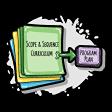
Scope & Sequence export to seed your Individual Learning Plan

One-click package for your quarterly contact-teacher reviews

Every child in one account — up to 5

Questions About Homeschooling in Alaska
Quick answers for homeschooling families.
Is homeschooling legal in Alaska?
Yes, and on the simplest of the two paths it is barely regulated at all. AS 14.30.010(b)(12) exempts a child being educated at home by a parent or legal guardian from compulsory attendance. No notice, no registration and no approval is involved — you simply begin.
Do parents need a teaching certificate?
No. Alaska requires no teacher certification, credential or minimum education level of the homeschooling parent on the exemption track. On the correspondence track a certificated teacher is assigned to your family as a contact, but you remain the one teaching.
Does Alaska fund homeschooling?
Only through the correspondence track. Enrolling in a district-operated correspondence program brings an annual allotment of about $2,700 per student for curriculum and materials, tied to an Individual Learning Plan. The independent exemption track carries none. Each program sets its own amount, so confirm with yours.
What is the catch with the correspondence track?
Your child becomes a public-school student. That brings the allotment, but also an Individual Learning Plan agreed with a certificated contact teacher, quarterly review meetings, and the statewide assessment — AK STAR for English and maths in Grades 3 to 9. Families who want to be left alone choose the exemption instead.
Do I have to teach particular subjects?
Not on the exemption track — Alaska prescribes no curriculum and no subject list for families educating at home under AS 14.30.010(b)(12). On the correspondence track the Individual Learning Plan you build with your contact teacher sets out the courses and goals for the year.
What records should I keep, and for how long?
On the exemption track, none are mandated: no attendance records, no portfolio, no curriculum documentation to keep or submit. Keeping your own is still sensible, because it makes enrolling in a correspondence program or a school far simpler later. On the correspondence track the program holds the official record.
What if we move mid-year, in-country or abroad?
Moving within Alaska: the exemption follows you, and correspondence programs are generally statewide, though it is worth confirming with yours. Leaving Alaska: the exemption ends with your residency and your new state's rules apply, and any allotment stops.
Official Sources
Confirm the rules and apply directly with your state.

Alaska Statute AS 14.30.010
→The compulsory-attendance exemptions, including the home-education one.
akleg.gov — Title 14 statutes
Alaska Correspondence Programs
→The funded track — how district correspondence schools work.
education.alaska.gov — Correspondence
Required Assessments
→Which statewide tests correspondence students sit, and when.
education.alaska.gov — Assessments

Other States:
Homeschooling in Arizona·Homeschooling in Arkansas·Homeschooling in California— each reviewed against its own official sources
See How Families Run Their Homeschool on StudyPug
Lessons, practice, and the records above — one family plan.
30-day money-back guarantee
StudyPug is a records tool, not legal advice. Homeschool rules, funding amounts, and deadlines change at least yearly — always confirm with the official sources above before you act. Requirements can also differ at the school-board or district level, so check with your local board or district too. We review every jurisdiction page and show you the date we last checked it; each requirement in your dashboard carries its own source and last-verified date.

Reviewed by the StudyPug curriculum team
3M+
students
92%
improve grades
30-day
money-back guarantee

Trusted
by US homeschool families