TOPIC
System Disorders, Common health issuesMY PROGRESS
Pug Score
0%
Getting Started
"Let's build your foundation!"
Best Streak
0 in a row
Study Points
+0
Overview
Practice
Read
Quiz
Next Steps
Get Started
Get unlimited access to all videos, practice problems, and study tools.
Back to Menu
Topic Progress
Pug Score
0%
Getting Started
"Let's build your foundation!"
Best Practice
No score
Read
Not viewed
Best Quiz
No attempts
Best Streak
0 in a row
Study Points
+0
Overview
Practice
Read
Quiz
Next Steps
Read
System Disorders & Common Health Issues: Understanding Disease
This topic examines common system disorders and health issues, helping students understand how diseases develop, spread, and affect the human body's organ systems.
What Are System Disorders and Common Health Issues?
A disease is any condition that disrupts the normal functioning of the body's cells, tissues, organs, or systems. Diseases can be caused by pathogens, genetic mutations, lifestyle choices, or malfunctions within the immune system. Understanding disease is central to biology and connects directly to topics such as Organ Systems and System Integration and Basic Principles of Cell Biology.
Diseases are broadly classified into two major categories: infectious (communicable) diseases, which are caused by pathogens and can spread between individuals, and non-infectious (non-communicable) diseases, which cannot be transmitted and are linked to genetics, lifestyle, or environmental factors.
Pathogens and the Immune System
A pathogen is any microorganism or agent including bacteria, viruses, fungi, or parasites that causes disease in a living host. When a pathogen enters the body, the immune system responds by identifying and destroying the foreign invader using white blood cells (leukocytes).
The body's first line of defense consists of physical barriers such as the skin and mucous membranes, which block most pathogens from entering. If pathogens breach these barriers, white blood cells attack and destroy them. Vaccines support this process by introducing a weakened or inactive form of a pathogen, training the immune system to respond rapidly upon future exposure.
A fever is a common immune response that raises body temperature to slow pathogen reproduction and accelerate immune cell activity. Understanding these mechanisms connects to Cellular Disease, Cancer and Mutations and Tissue Types and Cell Specialization.
Common System Disorders
Autoimmune Disorders
In autoimmune disorders, the immune system mistakenly attacks the body's own healthy cells instead of protecting them. The immune system fails to distinguish between normal body tissues and foreign substances, producing antibodies that target healthy cells and causing inflammation and tissue damage.
Common autoimmune disorders include rheumatoid arthritis (joints), multiple sclerosis (nervous system), and type 1 diabetes (insulin-producing cells in the pancreas). Treatment typically focuses on medications that suppress immune system activity to reduce inflammation.
Asthma
Asthma is a chronic respiratory condition in which the airways become inflamed and narrowed, making breathing difficult. During an asthma attack, smooth muscles around the airways tighten and the lining swells, reducing airflow. Common triggers include allergens (pollen, dust mites, animal dander), cold air, exercise, and air pollution. Management involves medications that relax the smooth muscles around the airways and avoiding known triggers.
Cardiovascular Disease
Cardiovascular disease affects the heart and blood vessels. Many cardiovascular disorders develop due to atherosclerosis the buildup of fatty deposits (plaque) in artery walls that restricts blood flow. Conditions include coronary artery disease, heart failure, and stroke. Risk factors include high blood pressure, high cholesterol, obesity, smoking, and physical inactivity. Regular exercise and a diet low in saturated fats can reduce risk by improving circulation and lowering harmful cholesterol levels.
Type 2 Diabetes
Type 2 diabetes is a chronic condition in which the body becomes resistant to insulin or cannot produce enough of it, leading to high blood sugar levels. Unlike type 1 diabetes (an autoimmune condition), type 2 diabetes is strongly linked to lifestyle factors such as poor diet, physical inactivity, and obesity. Healthy lifestyle choices including a balanced diet and regular exercise can help manage or even prevent its development. This connects to Energy Processes: Photosynthesis and Respiration, as cellular energy regulation is fundamental to understanding metabolic disease.
Cancer
Cancer occurs when mutations in a cell's DNA disrupt normal cell cycle regulation, causing cells to divide uncontrollably and form masses called tumours. A malignant tumour is dangerous because it can invade nearby tissues and spread to distant organs through the bloodstream a process called metastasis. A benign tumour remains localised and does not invade surrounding tissue. This topic connects directly to Cellular Disease, Cancer and Mutations.
Osteoporosis and Bone Health
In osteoporosis, the rate of bone breakdown exceeds the rate of new bone formation, causing bones to lose density and become porous and brittle. This significantly increases the risk of fractures, particularly in the hip, spine, and wrist.
Alzheimer's Disease
Alzheimer's disease is a progressive neurological disorder in which nerve cells in the brain gradually deteriorate. It is characterised by the buildup of amyloid plaques between neurons and tau tangles inside neurons, which interfere with neuronal communication and lead to memory loss and cognitive decline.
Chronic Kidney Disease
In chronic kidney disease (CKD), kidney function progressively declines, often due to long-term conditions such as high blood pressure or diabetes. Because the kidneys filter the blood, their failure allows waste products and excess fluid to accumulate in the bloodstream, affecting multiple organ systems including the heart, lungs, and brain. This illustrates the importance of Organ Systems and System Integration.
Disease Spread and Public Health
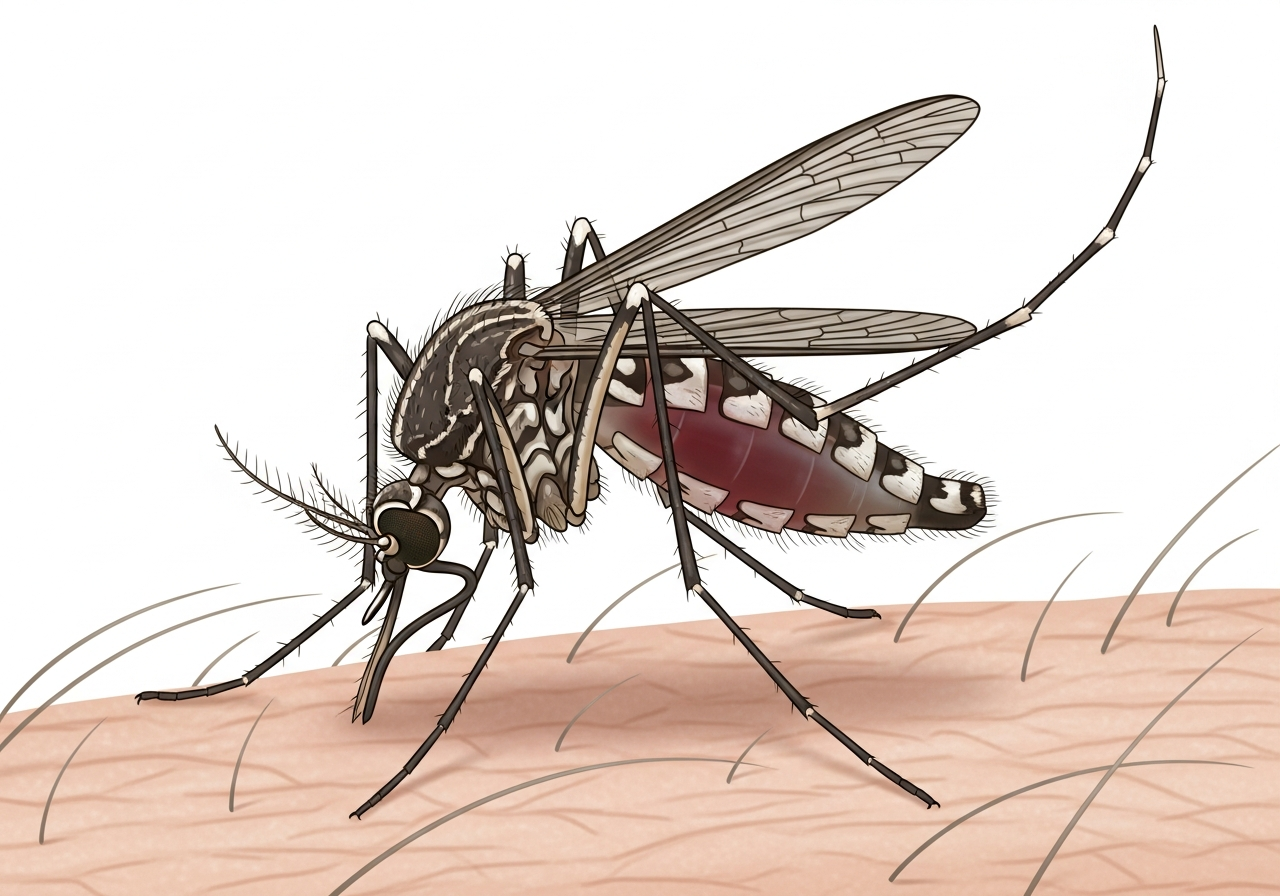
Understanding how diseases spread is essential for public health. A vector is an organism commonly a mosquito or tick that carries and transmits pathogens between hosts without being harmed. For example, malaria is transmitted by the Anopheles mosquito and is therefore more common in warm, humid tropical regions where this vector thrives.
An epidemic describes a sudden surge in disease cases across a region above normal expectations. When a disease spreads across multiple countries affecting large populations globally, it is called a pandemic. A disease that is consistently present at a low, stable level within a specific region is described as endemic.
An asymptomatic carrier is a person who is infected with a pathogen and can transmit it to others but shows no visible symptoms, making disease control more challenging. Quarantine isolates people who may have been exposed to a contagious disease to prevent further transmission. Herd immunity occurs when enough people in a population are immune to a disease through vaccination or prior infection that its spread is significantly slowed or stopped.
Antibiotic resistance is a major global health concern that occurs when bacteria evolve and develop the ability to survive exposure to antibiotic medications due to overuse or misuse of antibiotics. Antibiotics kill or inhibit the growth of bacteria but have no effect on viruses. The incubation period is the interval between infection and the appearance of visible symptoms, during which the pathogen is multiplying inside the host.
Key Terms & Definitions
Disease: Any condition that disrupts the normal functioning of the body's cells, tissues, organs, or systems.
Pathogen: Any microorganism or agent including bacteria, viruses, fungi, or parasites that causes disease in a living host organism.
Communicable (Infectious) Disease: A disease caused by a pathogen that can spread from one person or organism to another through direct or indirect contact.
Non-Communicable (Non-Infectious) Disease: A disease that cannot be transmitted between people; often linked to genetics, lifestyle, or environmental factors (e.g., heart disease, type 2 diabetes).
Immune System: The body's defense network that identifies and destroys foreign pathogens to protect against infection.
White Blood Cells (Leukocytes): The primary cells of the immune system that identify, attack, and destroy pathogens and infected cells.
Antibody: A protein produced by the immune system that targets specific antigens (foreign substances) to neutralise or destroy them.
Vaccine: A preparation containing a weakened, killed, or partial form of a pathogen that stimulates the immune system to produce antibodies without causing the actual disease.
Autoimmune Disorder: A condition in which the immune system mistakenly attacks the body's own healthy cells and tissues, causing inflammation and damage.
Chronic Disease: A long-lasting condition that persists over months or years and typically requires ongoing medical management (e.g., asthma, diabetes, heart disease).
Atherosclerosis: A condition in which fatty deposits (plaque) build up in artery walls, restricting blood flow and contributing to cardiovascular disease.
Allergen: A substance that triggers an allergic reaction, such as pollen, dust mites, or animal dander, which can provoke asthma attacks by causing airway inflammation.
Insulin Resistance: A condition in which the body's cells do not respond properly to insulin, causing blood sugar levels to rise and contributing to type 2 diabetes.
Tumour: A mass of abnormal tissue formed when cells divide uncontrollably; can be benign (localised) or malignant (invasive and capable of spreading).
Metastasis: The process by which malignant cancer cells spread from the original tumour to distant organs through the bloodstream or lymphatic system.
Vector: An organism commonly a mosquito or tick that carries and transmits pathogens between hosts without being harmed by the pathogen itself.
Epidemic: A sudden, rapid increase in disease cases within a particular community or region that exceeds normal expectations.
Pandemic: A disease outbreak that spreads across multiple countries or continents, affecting large populations worldwide.
Endemic: A disease that is consistently present at a predictable, low level within a specific geographic region or population.
Immunity: The body's defensive capacity against a specific pathogen, acquired naturally through infection or artificially through vaccination.
Herd Immunity: A state in which enough people in a population are immune to a disease that its spread is significantly slowed or stopped, protecting even those who are not immune.
Incubation Period: The silent interval between initial infection and the appearance of visible symptoms, during which the pathogen is multiplying inside the host.
Asymptomatic Carrier: A person who is infected with a pathogen and can transmit it to others but shows no visible signs of illness.
Antibiotic Resistance: The ability of bacteria to survive exposure to antibiotic medications, developed through genetic changes caused by overuse or misuse of antibiotics.
Antibiotics: Medications that kill or inhibit the growth of bacteria; they are effective against bacterial infections but have no effect on viral infections.
Quarantine: A public health measure that isolates people who may have been exposed to a contagious disease to prevent further transmission.
Neurotransmitter: A chemical messenger in the brain that crosses the synapse the microscopic gap between nerve cells to relay signals between neurons.
Depression: A mental health condition involving persistent low mood, often associated with disrupted neurotransmitter levels such as serotonin and dopamine.
Anxiety Disorder: A mental health condition characterised by excessive, debilitating fear or worry that interferes with daily functioning.
Chronic Stress: A long-lasting stress response that, unlike short-term stress, damages body systems over time and raises the risk of conditions such as heart disease and immune dysfunction.
Hereditary Disease: A disease caused by genetic mutations or variations that are passed down from parents to children through DNA (e.g., cystic fibrosis, sickle cell anaemia).
Symptom: A subjective experience of illness reported by the patient, such as pain or fatigue.
Sign: An objective, measurable indicator of disease observed by a healthcare professional, such as fever or swelling.
Applying Knowledge of Disease and Health
Learners can strengthen their understanding by comparing disease types using real-world examples for instance, distinguishing why cholera (waterborne bacterial disease) requires clean water infrastructure as a prevention strategy, while influenza (airborne viral disease) requires vaccination and respiratory hygiene. Connecting disease mechanisms to Organelles: Structure and Function helps students understand how cellular damage leads to system-wide disorders.
Students can also analyse public health scenarios such as evaluating why quarantine is used during outbreaks, or why antibiotic resistance is a growing global concern to apply their understanding of disease transmission and immune response in practical contexts.
Building on Prior Knowledge
This topic builds on foundational concepts from Genetic Variation and Sources of Diversity, which explains how genetic differences between individuals can influence susceptibility to certain diseases, including autoimmune conditions and hereditary disorders. Understanding genetic variation helps explain why some individuals are more vulnerable to specific health conditions than others.
Knowledge of Basic Principles of Cell Biology and Tissue Types and Cell Specialization provides the cellular foundation needed to understand how diseases disrupt normal cell and tissue function. This topic also prepares students for subsequent studies in Cell Cycle: Growth and Regulation, Mitosis: Process and Stages, and DNA Structure: Molecular Basis of Heredity.
Related Topics & Connections
This topic sits within a rich network of biological concepts. The prerequisite topic Genetic Variation and Sources of Diversity establishes how inherited differences affect disease risk, forming the genetic foundation for understanding hereditary and autoimmune conditions.
Closely related topics include Cellular Disease, Cancer and Mutations, which examines how DNA mutations lead to uncontrolled cell division and tumour formation a direct extension of the cancer concepts introduced here. Organ Systems and System Integration explains how diseases affecting one system, such as chronic kidney disease, can disrupt multiple other systems throughout the body.
Tissue Types and Cell Specialization and Organelles: Structure and Function provide the microscopic perspective needed to understand how disease operates at the cellular level. Energy Processes: Photosynthesis and Respiration connects to metabolic diseases such as type 2 diabetes, where disrupted cellular energy regulation leads to systemic health problems.
At a broader scale, Population Studies: Growth and Regulation and Introduction to System Dynamics and Complex Interactions help students understand how disease spreads through populations and how epidemics and pandemics emerge from complex biological and social interactions.
This topic directly prepares students for subsequent studies in Cell Cycle: Growth and Regulation, Mitosis: Process and Stages, Meiosis: Gamete Formation, Gene Expression and Protein Synthesis, and DNA Structure: Molecular Basis of Heredity all of which build on the understanding of how genetic and cellular processes underpin health and disease.