TOPIC
Precipitation, Rain, snowMY PROGRESS
Pug Score
0%
Getting Started
"Let's build your foundation!"
Best Streak
0 in a row
Study Points
+0
Overview
Practice
Watch
Read
Quiz
Next Steps
Get Started
Get unlimited access to all videos, practice problems, and study tools.
Back to Menu
Topic Progress
Pug Score
0%
Getting Started
"Let's build your foundation!"
Videos Watched
0/0
Best Practice
No score
Read
Not viewed
Best Quiz
No attempts
Best Streak
0 in a row
Study Points
+0
Overview
Practice
Watch
Read
Quiz
Next Steps
Read
Rain and Snow Learn About Precipitation!
You will learn about precipitation rain and snow and how water falls from clouds in different ways depending on the temperature.
What Is Precipitation?
Precipitation is water that falls from the sky. You can see precipitation as rain or snow! When clouds get heavy with water, the water falls down to the ground.
Rain and snow are the two main types of precipitation you will learn about. The temperature outside tells you which one will fall!
What Is Rain?
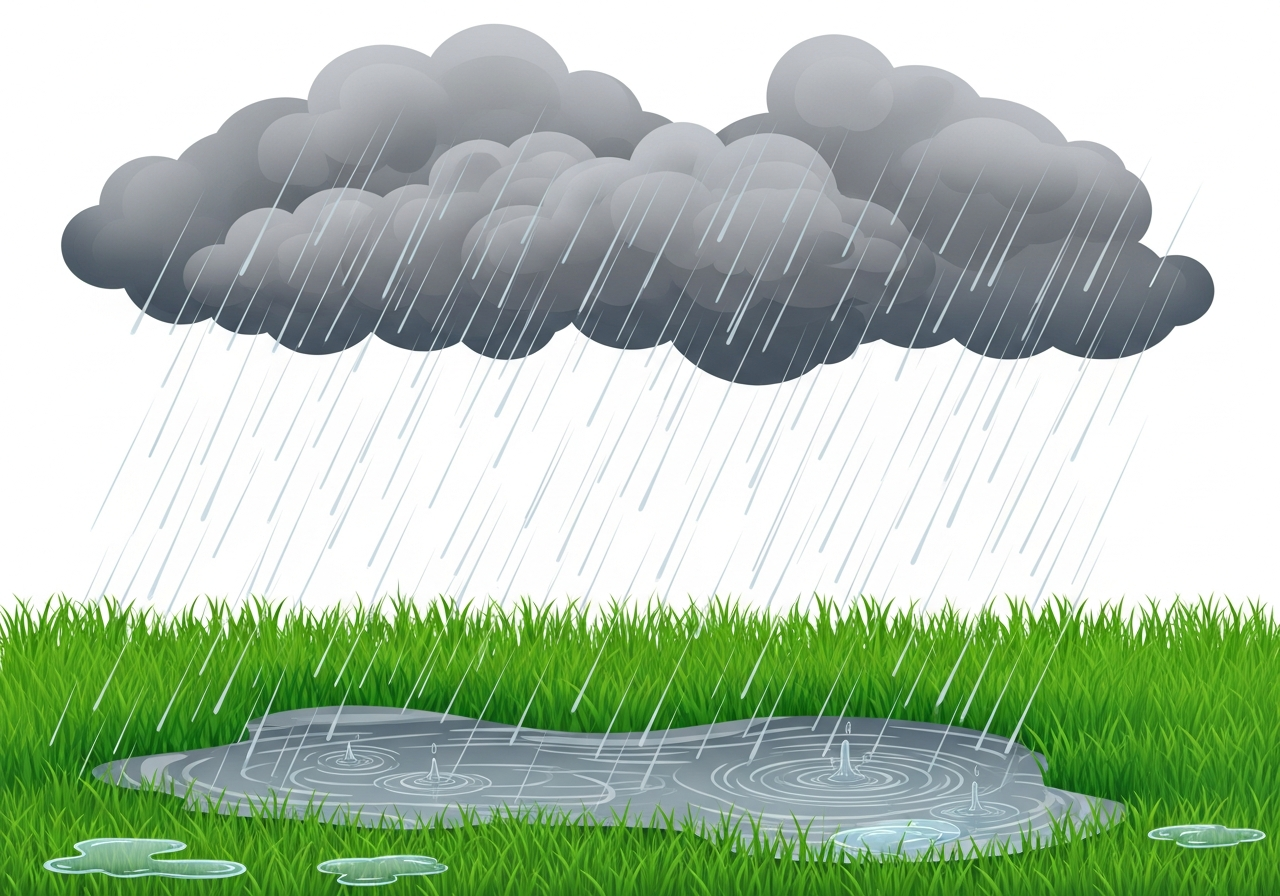
Rain is water drops that fall from clouds. You can see rain on a warm or cool day. When it rains, you might see puddles on the ground!
Clouds hold tiny water droplets. When the droplets get heavy, they fall as rain. Rain helps plants grow and fills up rivers and lakes.
What Is Snow?
Snow is frozen precipitation. When it is very cold outside, water in clouds freezes into tiny ice crystals. These ice crystals fall from the sky as white, fluffy snowflakes!
Snowflakes are tiny white crystals that float down slowly. When many snowflakes land together, they make a white blanket on the ground. You can build a snowman with snow!
Snow happens in winter when the temperature is very cold. The cold air keeps the water frozen as it falls from the clouds.
Rain vs. Snow What Is the Difference?
The big difference between rain and snow is temperature. When it is warm, water falls as wet rain drops. When it is very cold, water freezes and falls as white snow flakes.
Rain is wet and liquid. Snow is frozen and white and fluffy. Both rain and snow come from clouds in the sky!
What to Wear in Rain and Snow
When it rains, you can wear rain boots to keep your feet dry. Rain boots help you splash in puddles! You might also use an umbrella.
When it snows, you need warm clothes. You can wear mittens to keep your hands warm. Mittens cover all your fingers together to trap heat. A warm coat and boots help you stay cozy in the snow!
Key Terms and Definitions
Precipitation: Precipitation is water that falls from the sky. Rain and snow are both types of precipitation you can see outside.
Rain: Rain is liquid water drops that fall from clouds. You can see rain on days that are not too cold.
Rainfall: Rainfall is when wet drops fall from clouds to the ground. Rainfall makes puddles you can splash in!
Snow: Snow is frozen precipitation that falls as white, fluffy flakes. Snow happens when it is very cold outside.
Snowfall: Snowfall is when snowflakes fall slowly from the sky. You can watch snowfall on a cold winter day.
Snowflakes: Snowflakes are tiny frozen water crystals that fall from clouds. Each snowflake has a special crystal shape and is white.
Ice Crystals: Ice crystals are tiny frozen pieces of water. When water in clouds freezes, it forms ice crystals that become snowflakes.
Water Droplets: Water droplets are tiny drops of water. Water droplets in clouds fall as rain when they get heavy.
Clouds: Clouds hold water in the sky. When clouds get heavy with water, precipitation falls down to the ground.
Temperature: Temperature tells you how hot or cold it is outside. Temperature decides if precipitation falls as rain or snow.
Frozen Precipitation: Frozen precipitation is water that freezes before it hits the ground. Snow is a type of frozen precipitation.
Winter: Winter is the coldest season of the year. Snow falls in winter because the temperature is very cold.
Mittens: Mittens are warm coverings you wear on your hands. You wear mittens in cold, snowy weather to keep your hands warm.
Fun Ways to Learn About Rain and Snow
You can look outside on a rainy day and watch the drops fall. Try counting how many puddles you can see! Puddles form when rain collects on the ground.
On a snowy day, you can catch a snowflake on your mitten and look at its tiny crystal shape. You can also try to build a snowman with the fluffy white snow!
You can draw a picture of rain on one side and snow on the other side. This helps you remember the difference between the two types of precipitation.
What You Already Know
You already know about weather and how the sky can look different each day. This helps you understand precipitation! When you look at the sky and see dark clouds, you know precipitation might be coming.
You know that some days are warm and some days are cold. This knowledge helps you predict whether rain or snow will fall from the clouds.
Related Topics and Connections
Precipitation is one important part of weather. As you keep learning about weather, you will discover many more exciting things about the sky, clouds, and seasons around you!
Understanding rain and snow helps you learn about the world outside. You can use what you know about precipitation to understand why plants need rain to grow and why you need warm clothes in winter.