TOPIC

Weather Measurement, Temperature, precipitation, wind

MY PROGRESS

Pug Score

0%

Best Streak

0 in a row

Study Points

+0

Overview

Practice

Watch

Read

Quiz

Next Steps


Get Started

Get unlimited access to all videos, practice problems, and study tools.

Unlimited practice
Full videos

Back to Menu

Topic Progress

Pug Score

0%

Videos Watched

0/0

Best Practice

No score

Read

Not viewed

Best Quiz

No attempts


Best Streak

0 in a row

Study Points

+0

Read

Discover Weather Measurement: Temperature, Precipitation, and Wind

You will learn how to measure weather using special tools that tell you about temperature, precipitation, and wind.

What Is Weather Measurement?

Weather is what the sky and air feel like outside each day. You can measure weather using special tools called weather instruments. These tools help you know if it is hot, cold, rainy, or windy.

Scientists who study weather are called meteorologists. You can be a weather watcher too by learning to use these tools!

Measuring Temperature

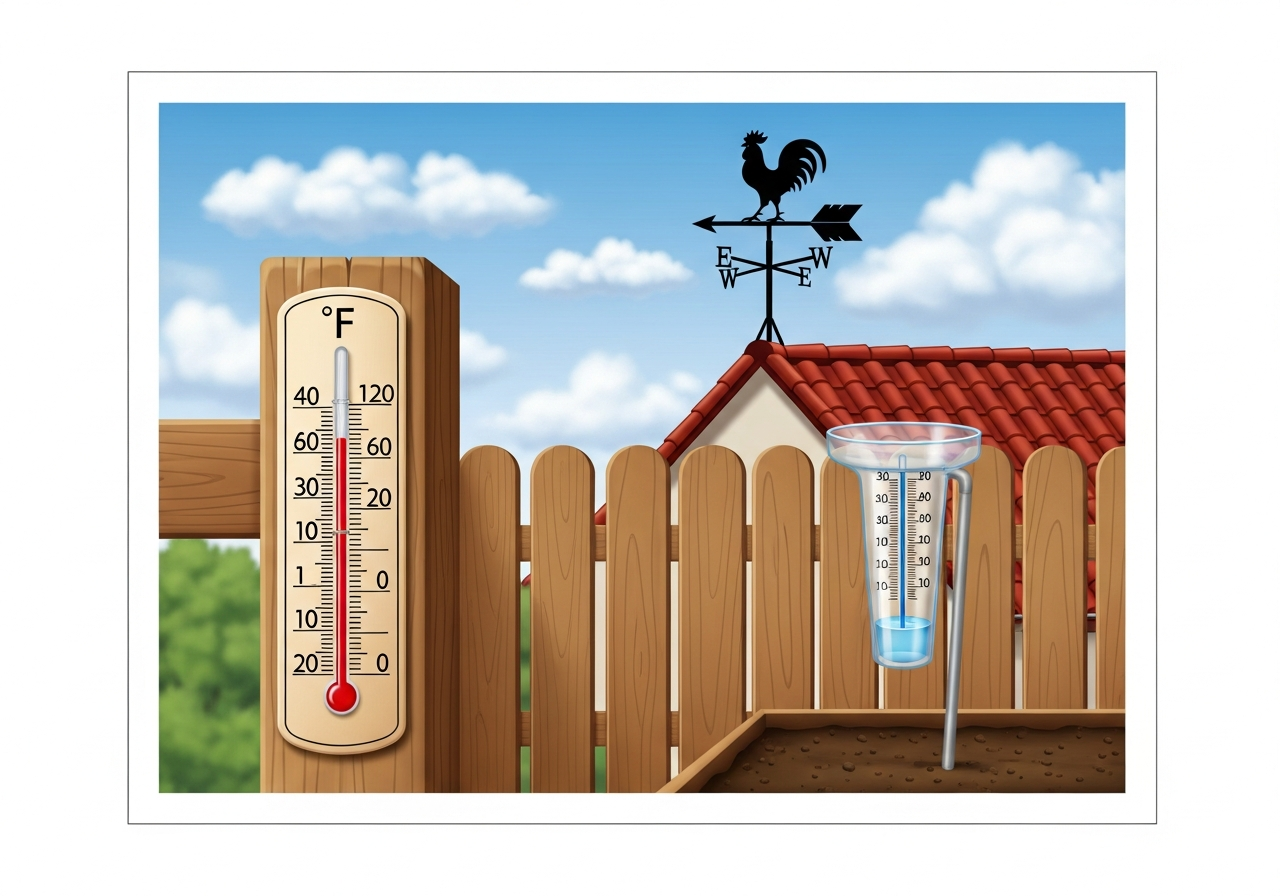
Temperature tells you how hot or cold the air is outside. You use a thermometer to measure temperature. A thermometer has numbers on it that go up when it is hot and down when it is cold.

When you check the thermometer before going outside, you can decide what clothes to wear. If the temperature is very cold, you need a heavy coat, mittens, and a hat!

Measuring Precipitation

Precipitation is water that falls from the sky. Rain, snow, sleet, and hail are all types of precipitation. A drizzle is a very light, gentle rain with tiny water drops.

You use a rain gauge to measure how much rain falls. It is a special container with markings that show inches or centimeters of rainfall. After a shower, you can see how much water fell from the clouds!

In winter, you can use a snow gauge or a ruler to measure how deep the snow is on the ground. When you see sparkly white on the grass on a cold morning, that is called frost. Frost forms when water vapor freezes on cold surfaces.

A thunderstorm is a storm with loud booming thunder and bright flashes of lightning. When you see or hear a thunderstorm, it is safest to stay inside.

Measuring Wind

Wind is moving air. You can measure two things about wind: its direction and its speed.

A wind vane shows which way the wind is blowing. It points in the direction the wind comes from. A windsock is shaped like a cone and also shows wind direction. You can see windsocks at airports!

An anemometer measures how fast the wind is blowing, which is called wind speed. When leaves move quickly on trees, you know the wind is strong. You can also watch flags flap to see how windy it is.

Other Weather Tools

A barometer measures air pressure. When air pressure falls, a storm might be coming soon. Meteorologists use barometers to help predict the weather.

A weather forecast tells you what weather to expect soon. You can check a forecast to know if you need an umbrella or a warm coat. A weather radar shows where precipitation is falling and helps predict if rain is coming your way.

Key Terms and Definitions

Temperature: Temperature is how hot or cold the air is outside. You measure temperature with a thermometer.

Thermometer: A thermometer is a tool that measures temperature. It has numbers that tell you if it is hot, warm, or cold outside.

Precipitation: Precipitation is any water that falls from the sky. Rain, snow, sleet, hail, and drizzle are all types of precipitation.

Rain Gauge: A rain gauge is a special container that collects and measures how much rain falls. It has markings to show inches or centimeters of rainfall.

Snow Gauge: A snow gauge collects and measures how much snow falls, just like a rain gauge measures rain.

Wind Vane: A wind vane is a tool that shows which direction the wind is blowing. It points toward where the wind comes from.

Windsock: A windsock is a cone-shaped tool that shows wind direction. You can see windsocks at airports and weather stations.

Anemometer: An anemometer is a tool that measures wind speed, which means how fast the wind is blowing.

Barometer: A barometer measures air pressure. Falling air pressure can mean a storm is coming soon.

Wind Speed: Wind speed is how fast the wind is blowing. An anemometer measures wind speed.

Wind Direction: Wind direction is which way the wind is blowing. A wind vane or windsock shows wind direction.

Drizzle: Drizzle is a very light, gentle rain made of tiny water drops. You might feel drizzle as light moisture on your face.

Snow: Snow is a type of precipitation that falls as white flakes from the sky when it is very cold outside.

Frost: Frost is a sparkly white icy coating that forms on grass and plants on very cold mornings when water vapor freezes.

Thunderstorm: A thunderstorm is a storm with loud booming thunder and bright flashes of lightning. You should stay inside during a thunderstorm.

Weather Forecast: A weather forecast tells you what weather to expect soon, like if it will be rainy, windy, or cold.

Weather Radar: Weather radar is a tool that shows where precipitation is falling and helps predict if rain is coming.
Weather Watching Activities

You can practice measuring weather every day! Look at a thermometer each morning to see the temperature. Watch how trees and flags move to observe wind speed and direction.

After it rains, you can use a ruler to measure puddles or snowfall. Keep a weather journal to write down what you observe each day. This is exactly what real meteorologists do!

Getting Ready to Learn

You already know that weather changes every day. You have noticed sunny days, rainy days, and windy days. This topic builds on what you already know about the world around you.

As you learn about weather measurement, you will get better at predicting what to wear and what activities are safe to do outside. These are skills you will use every single day!

Related Topics and Connections

Weather measurement is part of a bigger topic called Weather. As you learn more about weather, you will connect many ideas together. Understanding how to measure temperature, precipitation, and wind helps you understand all kinds of weather patterns around you.

You can explore more about the weather chapter to discover how clouds form, why seasons change, and how weather affects living things. Every weather tool you learn about connects to a bigger picture of how our Earth works!